




 Culture
 Economic
 Climate
125 millionpopulation size
more than 300,000foreign students
~800number of universities
4 in the worldthe country's economy by GDP
~2,5%unemployment rate


 CultureEconomicClimate
The Japanese education system is based on a model similar to the Western one, but with important nuances. The academic year traditionally begins in April, but most international programs also offer enrollment for the fall semester (September–October), specifically for international students.
The emphasis is on independent research, practical projects, and working with real equipment. Students in technical fields have access to state-of-the-art laboratories on campus. Initiative in science is encouraged, and the university’s connection with industry allows students to apply their knowledge in practice during their studies.
A special feature for students from the CIS: in Japan, secondary education lasts for 12 years. If you have an 11-year school, some universities require you to complete a year of preparatory program or finish the first year of undergraduate studies in your home country. However, many English-speaking programs accept applicants immediately after school based on test scores and language certificates.
Japan actively attracts young professionals and offers real opportunities for study, career and life.
Japanese diplomas are highly valued in Asia, the United States, and Europe, especially in IT, engineering, and the natural sciences.
Students in technical and IT fields work with the latest generation of equipment and software right on campus.
Japan is one of the top countries with the lowest crime rates. Studying and living here is comfortable and safe at any time of day.
Government programs make it easier to switch from a student visa to a work visa, as local companies are interested in foreign employees who understand Japanese business etiquette.
A well-developed system of internal grants allows master’s and PhD students to focus on their research without worrying about finding funding.
During their studies, students can work up to 28 hours a week with a special permit.
By the way! Graduates of Japanese universities who have received a job offer can change their visa status without having to leave the country.
Admission to Japan requires careful planning — Japanese universities are extremely attentive to paperwork and deadlines. Start preparing 10-12 months before the start of studies.
A certificate or diploma with a notarized translation into English or Japanese.
IELTS/TOEFL certificate for English-speaking programs, or JLPT N1/N2 for Japanese-speaking programs.
A motivation letter (Statement of Purpose), letters of recommendation from two professors, and a copy of your passport.
Research plan and preliminary coordination with the supervisor at the selected university.
After enrollment, the university submits documents to the migration service. You receive a Certificate of Entitlement (CoE) and submit it to the consulate in your country. The process takes 1-3 months.
Fall semester (September/October) – application in January-March
Spring semester (April) – application in October-November of the previous year
Compared to the United States or the United Kingdom, the cost of education in Japan is more affordable, especially at public universities.
Bachelor’s degree
Public universities: ~$5,000 per year
Private universities: $8,000–15,000 per year
Master’s degree
Public universities: ~$5,000 per year
Private universities: $8,000–15,000 per year
Doctoral degree
Public universities: ~$5,000 per year
Private universities: $8,000–12,000 per year
Total for living: on average $800–1 200 per month depending on the city. Expenses are higher in Tokyo, and significantly lower in Osaka, Fukuoka, or Sapporo.
Scholarships and grants can significantly reduce or fully cover the cost of education. We help you get funding from 50% to 100%, and we include a guarantee of admission on the first try in the contract.
Japan generously supports international students: scholarships can fully cover the costs of study and living. The main requirements are high academic performance, strong motivation, and extracurricular activities. For master’s and postgraduate students, the scientific novelty of the research is important.

The most prestigious government scholarship in Japan. Covers flights, full tuition fees, and monthly payments (~\$1,000–1,500). Available for all levels: bachelor’s, master’s, and PhD. The competition is high, but the selection process is transparent.
Grants for high-achieving students already studying at Japanese universities. The amount ranges from ¥48,000 to ¥52,000 per month (~$320–350). A separate program offers scholarships for short-term exchanges.
Most public and large private universities offer their own funding programs for international students: discounts ranging from 30% to 100% of the tuition fee. These programs are submitted simultaneously with the application for admission.
Regional funding programs: funds from individual prefectures, corporate scholarships (Rotary, Honda Foundation, Hitachi, etc.). Less well-known, but the competition is lower, it is worth exploring the options for the region where you plan to study.
Our unique algorithm is aimed at obtaining funding that covers 50 to 100% of the cost of education. To study in Japan with us, take the first step and sign up for a free consultation.
Foreign students in Japan live in various types of accommodation, depending on their budget, city, and personal preferences.
Student dormitories
The most affordable option. Organized through the university or student unions, there are single and double rooms with a shared kitchen and bathroom.
Price: $200-400 per month, including utilities.
Disadvantage: there are few places, you need to apply immediately after enrollment.
Renting an apartment or a room (Share house)
A popular format among foreign students: several people share an apartment. Share house is a private room with shared areas and a good language environment.
Price: $300-600 per month, depending on the city.
Look for it on Suumo, Sakura House, HouseLeave.
Private apartments
Full independence and comfort, but more expensive. Suitable for those who value silence or work remotely.
Price: $500–1,200 per month (higher in Tokyo, lower in the regions).
Temporary accommodation
Hostels, Airbnb, short-term rentals – for the first weeks, while a permanent option is being found.
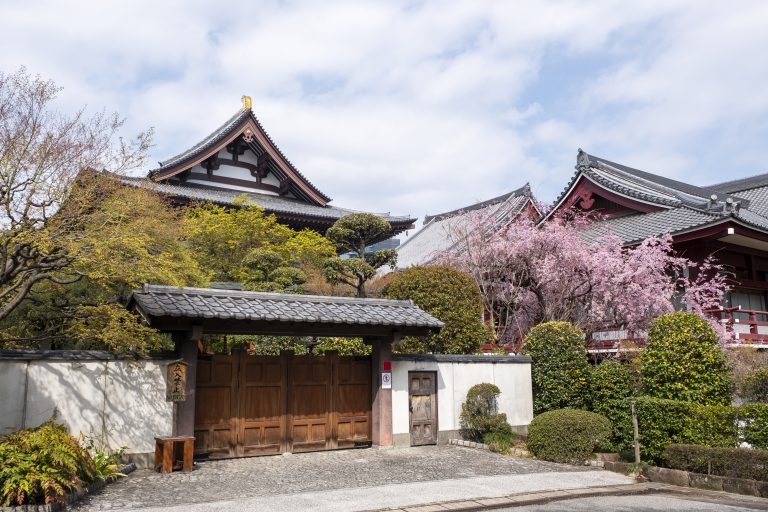
Universities create support centers for international students, which help them find housing and adapt to Japanese life, including garbage sorting rules, etiquette, and communication with neighbors.








«I liked that the connection was constant. I received answers to all my questions within a day and even faster»

 Video review by Alevtina
«If you are in doubt about where to go, worried that it won’t work out, then what are you waiting for? Come for a consultation with an expert»
Video review by Anastasia
«I am currently in 11th grade at a school in Kyiv, but I have already been admitted to a U.S. bachelor’s program and received a 100% scholarship»
Feedback from Ksenia
«Perhaps I would have done it myself, but I would not have been able to receive such generous funding as with SelfStartGlobal. Don't be afraid! Take risks, take action, and everything will work out»
Video review by Karina«My minus is that I often don’t meet deadlines. But with SelfStartGlobal, I always knew that they would help me and that we would do everything in time»
Camilla's video review
«There are many companies on the market that help with studying abroad, but no one does it as comprehensively as SelfStart»
Review by Egor
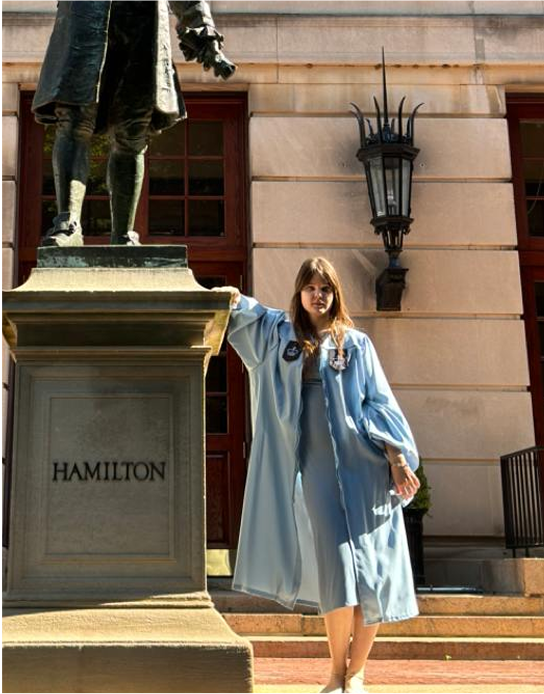
I was accepted to the PhD program at Columbia University on my first try, having strengthened my profile and compiled my achievements into a strong application.
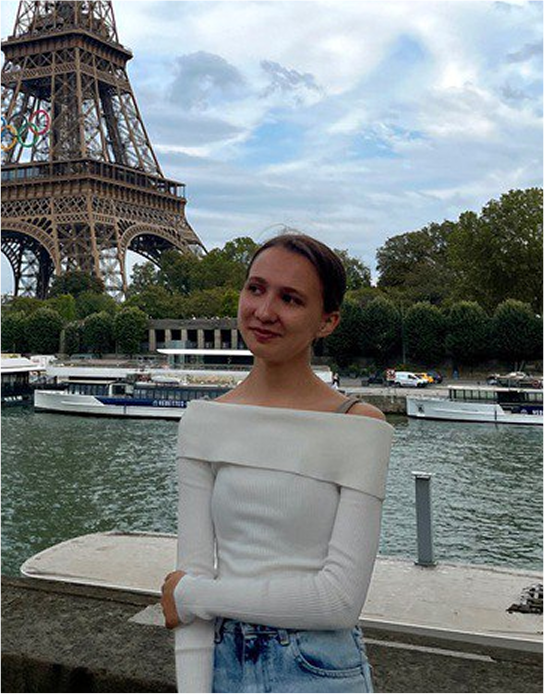
She enrolled in graphic design at universities in France, Italy and Hungary. She received scholarships at all of them and chose the university with the maximum funding — $135,000 for the entire period of study.

He entered a master’s program in the USA at two universities at once – Brandeis University and Washington University in St. Louis, receiving scholarships totaling $80,000. He chose Brandeis University and went to study on the first try.

Got accepted to NYU Abu Dhabi on the first try (acceptance rate 4%) with a scholarship of $217,000. Also received offers from Lynn and Drexel University.
