



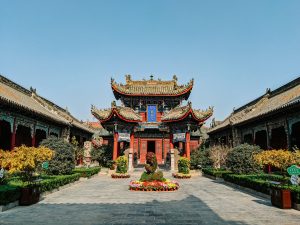
 Culture
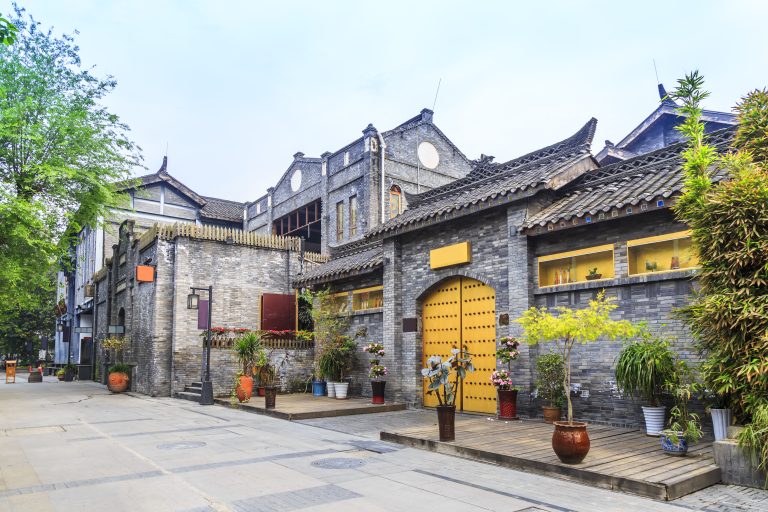
 Economy
 Climate
about 1.4 billionpopulation of the country
2nd place in the worldby nominal GDP
more than 500,000foreign students annually
more than 3,000higher educational institutions
about 5%level of unemployment


 CultureEconomyClimate
The Chinese education system combines a strong academic foundation with a strong focus on technology. The government invests heavily in science and innovation, and universities are equipped with world-class laboratories and research centers. Education is offered in both Chinese and English, depending on the program.
The main program is for high school graduates. Admission is possible immediately after the 11th grade. Programs in English are available, but some specialties require a basic HSK. Students from the CIS are often recommended to take a year of language training before starting the main course.
Suitable for undergraduate graduates who want to deepen their specialization or change their field of study. Many programs are available in English. Academic performance, a motivation letter, and a clear research plan are important for admission.
A program for researchers with a clear scientific plan. Public universities often offer full funding through government grants CSC. A research supervisor and an approved topic are required.
Chinese universities place a strong emphasis on fundamental knowledge, research, and practical training. Academic workload is high, and competition among students is fierce. At the same time, universities actively promote international exchange programs and partnerships with global corporations.
Graduates of Chinese universities have a competitive advantage in the global job market, especially in the fields of technology, international trade, finance, and logistics.
Access to Asia’s largest job market. China is the world’s second-largest economy, with a growing demand for IT, engineering, biotechnology, and management professionals.
Career networking. C9 League universities have direct connections with leading corporations. Internships at Alibaba, Huawei, or ByteDance are available during the course of study.
Knowledge of Chinese as a competitive advantage. Even a basic level of Chinese increases the attractiveness of a resume for employers around the world.
Recognition of diplomas. Diplomas from leading universities in China are accepted in most countries, including Europe, the United States, and the United Kingdom.
Generous scholarship programs. The government purposefully attracts international students through fully funded programs.
At SelfStartGlobal, we help students to enter universities in China with financing from 50 to 100%. We will tell you more in a free consultation.
With comparable quality of education, the cost of studying in China is significantly lower than in universities in the USA or the UK of a similar level. The final amount depends on the university, specialty and city.
In total, you will need about 400-800 USD per month to live, depending on the city and lifestyle. This is one of the most affordable options among countries with top-100 universities in the world.
The Chinese government and universities actively fund international students. Scholarships in China cover not only tuition fees, but also accommodation, insurance, and monthly allowance.

The most prestigious program. Fully covers tuition, dormitory accommodation, medical insurance and pays a monthly allowance of CNY 2,500 to CNY 3,500. Submitted through the Chinese Embassy or directly through the university. The deadline is usually March-April.
A number of provinces and cities — Shanghai, Beijing, Chengdu, Guangzhou — offer their own financing programs for foreign students. The size and conditions vary, the competition is lower than according to CSC.
Designed for students studying Chinese language and culture. Covers tuition, accommodation, and flights. Suitable for those planning a career in Chinese studies, diplomacy, or international relations.
Most large universities offer their own scholarships: partial or full tuition coverage, discounts on dormitories, and special grants for excellent students. The conditions are specified on the website of a particular university.
We develop a strategy for each student and help them apply for multiple types of funding to cover their educational expenses as much as possible.
Most universities in China offer on-campus accommodation, which is convenient, affordable, and allows you to quickly integrate into student life.
Student Dormitories (Campus)
This is the standard option for international students. Rooms are usually shared by 2-4 people, and there are also blocks with private bathrooms. The cost ranges from 150 to 400 USD per month, including utilities. It is recommended to book a room immediately after receiving the offer.
Private rental
Apartments near campuses: from 300–800 USD per month depending on the city. In Beijing and Shanghai, rentals are more expensive, in Hangzhou, Chengdu or Nanjing – significantly more affordable. Popular platforms for search are Ziroom and WeChat groups for foreigners.
Temporary accommodation
Hostels or short-term rentals through Airbnb are convenient for the first weeks. Help to calmly get used to the place and find a permanent option without haste.
Admission to a Chinese university requires clear planning: deadlines are strict, and the nuances of paperwork are specific. It is worth starting the preparation 8-10 months before the planned start of studies.
High school diploma or bachelor’s degree with a notarized translation.
For Chinese programs, you need a HSK certificate (the level depends on your specialty). For English programs, you need an IELTS score of 6.0 or a TOEFL score of 80.
Motivational letter (Study Plan), two letters of recommendation, CV, medical certificate of the established form, and certificate of no criminal record.
Admissions committees evaluate not only grades, but also research potential, extracurricular achievements, and clear career goals.
After receiving the offer, the university issues JW201 or JW202 documents. These documents are used to apply for an X1 visa (for studies exceeding 180 days) or an X2 visa (for short-term studies). It is recommended to submit the documents to the consulate immediately, as there may be long queues during peak seasons.
A bank statement confirming the availability of funds for the first year of study and living expenses.
Most scholarship deadlines end in March or April, and classes begin in September. Some universities accept applications for the spring semester, which starts in February.











He entered a master’s program in the USA at two universities at once – Brandeis University and Washington University in St. Louis, receiving scholarships totaling $80,000. He chose Brandeis University and went to study on the first try.
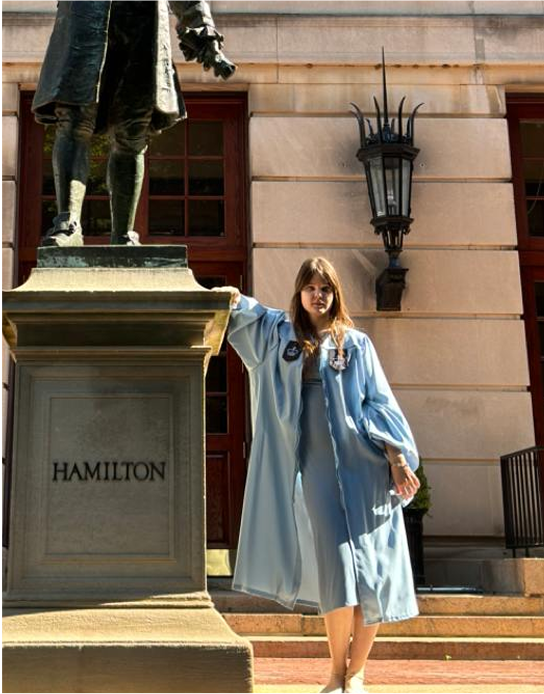
I was accepted to the PhD program at Columbia University on my first try, having strengthened my profile and compiled my achievements into a strong application.

She enrolled in graphic design at universities in France, Italy and Hungary. She received scholarships at all of them and chose the university with the maximum funding — $135,000 for the entire period of study.

He entered Siena Heights University (USA) for the Theater and Music program with a full scholarship of $170,000. Preparation took less than a year.

Got accepted to NYU Abu Dhabi on the first try (acceptance rate 4%) with a scholarship of $217,000. Also received offers from Lynn and Drexel University.

She entered graduate school at Kent State University and Ohio University. At Ohio University, she won a Graduate Teaching Assistantship with full funding of $37,774, covering tuition, insurance, and living expenses.

She was admitted to three American universities at once: Augustana College, Widener University, and the University of South Dakota. She chose Augustana College, where she received a scholarship of $45,000 per year.

She enrolled in Fashion PR programs at five US universities
«I already had an unsuccessful experience of entering the USA - then it turned out that just good grades are not enough. Now I decided to work with the team»

 Alena's video review
«There were many questions during the process, but they helped me in everything, supported me and convinced me that I was on the right path. I think this is the most important thing»
Video review from Kamola
«My minus is that I often don’t meet deadlines. But with SelfStartGlobal, I always knew that they would help me and that we would do everything in time»
Camilla's video review
«With SelfStartGlobal support, you will always know: what to do, why to do it and when to do it. This saves a lot of time»
Video review by Igor
«Perhaps I would have done it myself, but I would not have been able to receive such generous funding as with SelfStartGlobal. Don't be afraid! Take risks, take action, and everything will work out»
Video review by Karina«I am currently in 11th grade at a school in Kyiv, but I have already been admitted to a U.S. bachelor’s program and received a 100% scholarship»
Feedback from Ksenia
«My case is not easy, since I am 29 years old, and my bachelor’s degree is in philology, and I entered the master’s program in psychology»
Tamara's video review«I liked that we had constant contact with Ksenia (curator). I needed clear deadlines - I myself would start to grab onto everything at once»
Video review from Sofia«That very moment when the dream became reality... I fulfilled my biggest dream - I entered a US university!»
Video review from Sofia«I liked that the company focuses on developing a personal brand, as this is important for admission to the USA»
Elina's video review