


 Deadlines, Exams, and Scholarships: Your Guide to Studying in the USA, Europe, and Asia
She enrolled in Fashion PR programs at five US universities


Williamstown, Massachusetts, USA · Williams College is ranked the best liberal arts college in the US by *U.S. News* (2026) and is one of the few colleges worldwide to have originally modeled its educational system on Oxford. Williams’s renowned tutorial system—featuring sessions where two students engage in academic discussion with a single professor—is unique in American higher education. Approximately 70% of international students receive financial aid, with an average grant exceeding $90,000 per year—entirely free of loans. The acceptance rate for the Class of 2030 was 7.4%, a record in the college's history.
Williams College was founded in 1793 — one of the oldest colleges in the United States — in the small town of Williamstown, Massachusetts, at the junction of the Berkshire mountain range and the Housatonic River valley. It is one of the classic “small” but exceptionally prestigious American colleges, comparable in academic status to the best Ivy League universities.
The main feature of Williams is the tutorial system: a format borrowed from Oxford and Cambridge, in which two students meet with one professor every week. Each student takes turns presenting an original work, while the second student acts as a critic. This develops skills in academic debate, in‑depth analysis, and defending one’s arguments — skills that, in the US, are usually acquired only during graduate studies.
Williams was the first college in the US with a loan‑free financial aid program: all a student receives from the university is grants that do not need to be repaid. This policy was introduced long before most of its competitors adopted it.
Williams College is one of the most expensive colleges in the United States in terms of list price, but at the same time one of the most affordable in terms of real cost for students with financial need.
Tuition + fees 2025–2026: $72,510 per year
Full estimated cost (COA, 2025–2026): approximately $90,750 per year (tuition, housing, meals, fees)
COA 2026–2027: approximately $95,960 per year (data from Williams Student Financial Services)
Average grant for all students: $76,769 per year (US News). Average net price: approximately $26,775 per year. 53% of first‑year students receive need‑based aid.
There is no graduate program — Williams College is exclusively undergraduate. All resources are directed only at bachelor’s students.
Williams is an undergraduate—only college without a Master’s degree and PhD. All professors focus exclusively on undergraduates. More than 60 specialties in three broad areas.
A student can choose a major, a dual major, or independently develop an inter-faculty program. There are no strict compulsory courses — Williams values academic freedom in choosing a path.
History, English language and literature, philosophy, classical languages, religious studies, art history, theater and dance, music, comparative literature, women’s, gender, and sexuality studies, African American studies, Asian studies.
Economics (one of the most popular majors), political science, psychology, sociology, anthropology, history, international relations.
Biology, chemistry, physics, astronomy, geological sciences, mathematics, statistics, computer science, neuroscience, cognitive science, environmental science.
The main academic feature is that two students take classes with one professor using the Oxford model. Students take turns presenting original works and criticizing each other’s works. This format is available in most fields and develops argumentation and academic writing skills at a level unattainable in standard classroom formats.
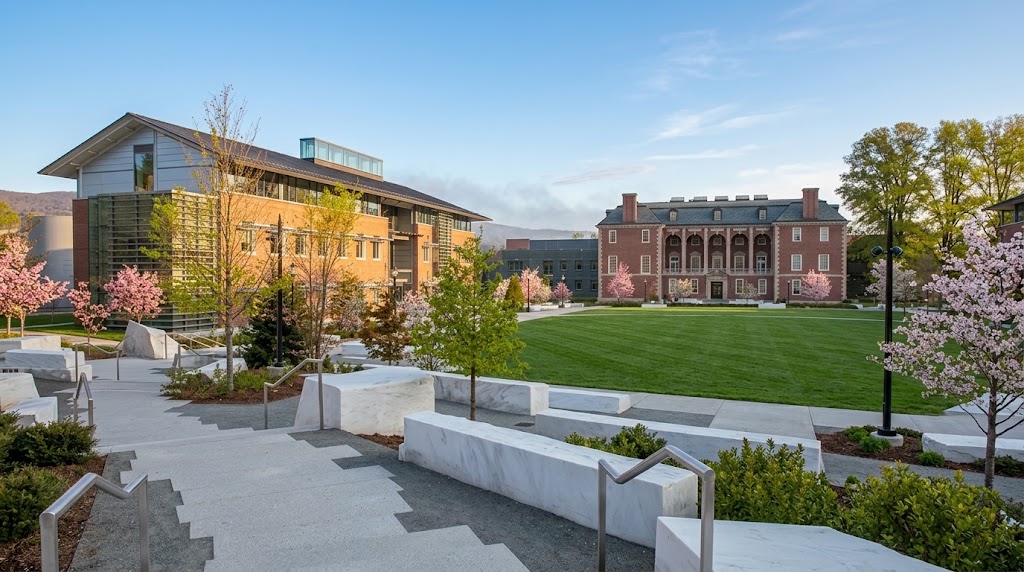
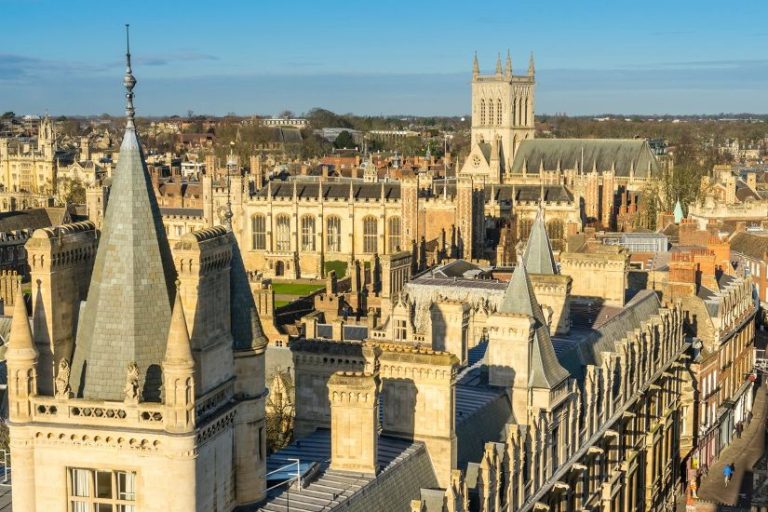
The Williams campus is located in Williamstown, a small town with a population of about 7,000 in the Berkshire Mountains, western Massachusetts. 450 acres, historic buildings from the 19th–20th centuries, the autumn foliage of the Berkshires, and a picturesque valley — all of this creates an environment that students call “the perfect place to study and think.”
All Williams students are required to live on campus for all four years. The college guarantees housing for everyone. This creates an exceptionally close‑knit community: only 2,100 students share one campus, study in small groups, and know their professors by name.
Williamstown is a small university town, yet it’s a 3‑hour drive from New York and a 2.5‑hour drive from Boston. The Tanglewood Music Festival in Berkeley is a 30‑minute drive away.
The Williams academic calendar is 4-1-4: two four‑month semesters and one unique “winter” January module (Winter Study). In January, students can engage in non‑standard projects, internships, research, or travel — a format that has no analogues among top colleges.
On campus, you’ll find the Williams College Museum of Art (one of the country’s top university galleries, with a collection of over 15,000 works), the Chapin Library (featuring rare books and manuscripts, including a first edition of Shakespeare), sports facilities, a theater, and more than 150 student organizations.
The acceptance rate for the class of 2030 is 7.4%, with a record 16,557 applications. This is the highest level of competition in the college’s history. Applications are accepted via the Common App.
Williams does not require you to specify your major when applying — the student is determined in the first or second year. The essay should demonstrate intellectual breadth and curiosity.
The GPA of the majority of those admitted is 3.94–4.00. Williams — test‑optional through cycle 2031 — is the only one of the top 15 universities to maintain this policy for so long (orieladmissions.com). If you have high scores, it’s worth including.
In addition to the Common App essay, Williams asks additional questions aimed at understanding the student’s intellectual interests and academic curiosity. Specificity is important: what exactly attracts the student to Williams — the tutorial system, specific professors, or Winter Study?
Two from subject teachers and one from the homeroom teacher.
Early Decision — by November 1: acceptance rate 25.2% — more than three times higher than RD (6.3%). Regular Decision — by January 3. ED fills about 40% of the class — strategically the most important lever.
If you plan to request financial assistance at any point during your studies, you need to indicate this in your application. Failing to do so when submitting your application means you will lose the right to assistance.

For international applicants — transcripts with translation, TOEFL 5–6 (new scale, from January 2026) or previously 100–120 iBT, IELTS 7.5–9, Duolingo 135–160.
A key point regarding financial aid. Williams applies a need-aware policy for international applicants — the family’s financial situation is taken into account during the selection process. This distinguishes Williams from Amherst, Bowdoin, or Notre Dame, which are need-blind for international applicants.
However, Williams remains one of the most generous colleges in the world for international students: about 70% of international students receive financial aid from the college, with the average grant exceeding $90,000 per year. The aid covers 100% of the confirmed need and is guaranteed for all four years without loans.
Williams participates in the Global Student Haven Initiative (GSHI) — a program to support students who are forced to leave their country due to war, political conflicts, or disasters. Students from Ukraine, Afghanistan, and other conflict zones may be eligible for a simplified application process.
Williams is the first college in the USA with a financial aid program that is entirely loan‑free (no‑loan policy). This decision was made long before most of its competitors and remains one of its main financial advantages.
Financial aid terms for international students (Williams’ official website):
QuestBridge Partnership: Williams actively participates in the QuestBridge program — for high‑achieving, low‑income students. 14 students from the class of 2030 were admitted through the QuestBridge Match.
Williams does not offer merit-based scholarships — all assistance is strictly need-based. Academic achievements influence the admission decision, but not the amount of the grant.
Williams College graduates go on to the best graduate schools, medical, law, and business schools in the country. Williams consistently ranks among the top 5 liberal arts colleges in terms of the proportion of graduates who earn doctoral degrees — ahead of most research universities of a similar size.
The Williams alumni network — with about 22,000 graduates worldwide — is small but exceptionally engaged. The level of alumni donations (participation rate) at Williams is one of the highest among American colleges: about 50%, which reflects the real attachment of graduates to the alma mater.
Notable alumni include James Garfield (20th President of the United States), director Elia Kazan, Stephen Sondheim (Broadway legend), Benjamin Moore (founder of Benjamin Moore & Co.).
Williams College conducts active research despite its status as an undergraduate-only college. Students participate in Summer Research programs with professors starting in their first year — research grants from the Summer Science Program and art grants are available to everyone.
The Williams Art Museum houses a collection of more than 15,000 works — one of the largest among university galleries in the United States. The Chapin Library is a collection of rare books and manuscripts, including one of the four copies of Shakespeare’s First Folio (1623).
In terms of the number of graduates who have received Rhodes Scholarships, Williams consistently ranks among the top five among all American colleges: in 2024, 32 Rhodes Scholars are Williams alumni.
Williams is the #1 liberal arts college in the USA according to US News 2026 and the first to maintain a test‑optional policy through the 2031 cycle — the longest time any school has stayed in the top 15.
The tutorial system is modeled on Oxford’s: two students and one professor. In the USA, this format is found only at Williams — nowhere else is it the core system for the entire college.
No-loan policy — Williams was the first college in the USA to exclude loans from financial packages. This principle is still in effect today: no loans in the package for any student.
Winter Study (January module) is a unique feature of the 4-1-4 academic calendar: a month for non‑standard projects, expeditions, research, or internships outside the regular curriculum.
One round‑trip air ticket home per year is included in the financial package for international students. This is direct support for students living far away from their families.
The Williams College Museum of Art, with a collection of over 15,000 works, is one of the best university galleries in the United States; admission is free for all students.
Getting into Williams requires strategic understanding: ED with an acceptance rate of 25.2% is the main tool; essays must reflect the candidate’s genuine intellectual character; for international students, it is important to properly submit a request for financial aid during the first application. At SelfStartGlobal, we help:
Our students have already received scholarships worth more than $35 million.
Want to get into Williams College and receive a grant of more than $90,000 without loans? Come to a free consultation.

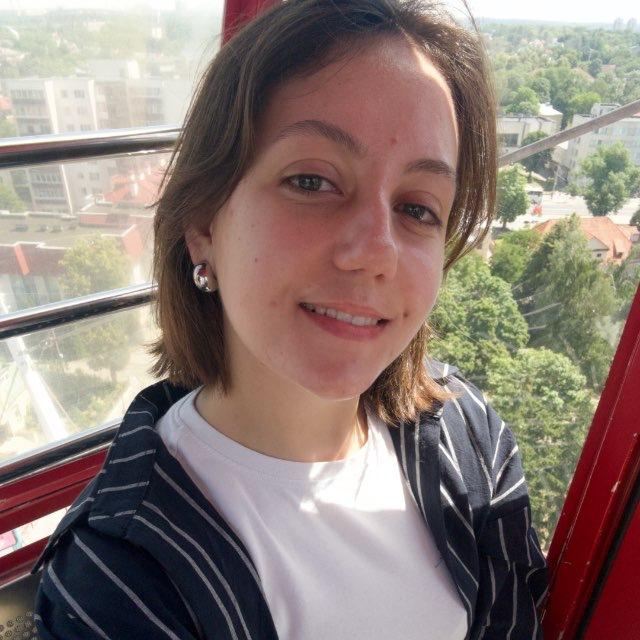
She enrolled in Fashion PR programs at five US universities

She was admitted to three American universities at once: Augustana College, Widener University, and the University of South Dakota. She chose Augustana College, where she received a scholarship of $45,000 per year.

He entered a master’s program in the USA at two universities at once – Brandeis University and Washington University in St. Louis, receiving scholarships totaling $80,000. He chose Brandeis University and went to study on the first try.
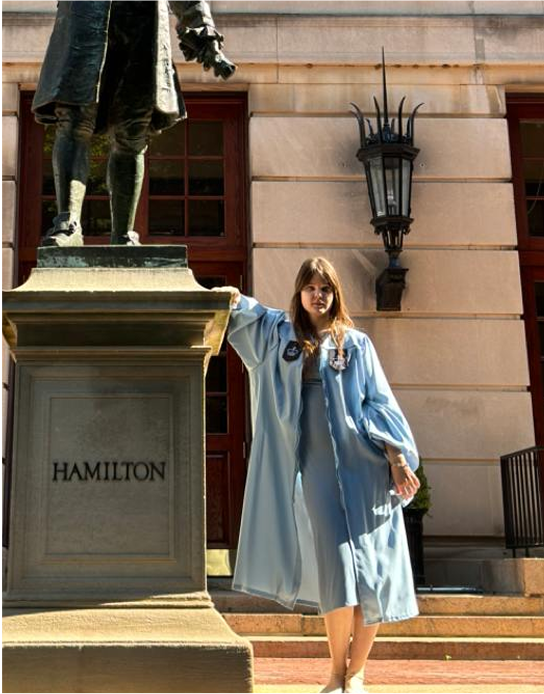
I was accepted to the PhD program at Columbia University on my first try, having strengthened my profile and compiled my achievements into a strong application.
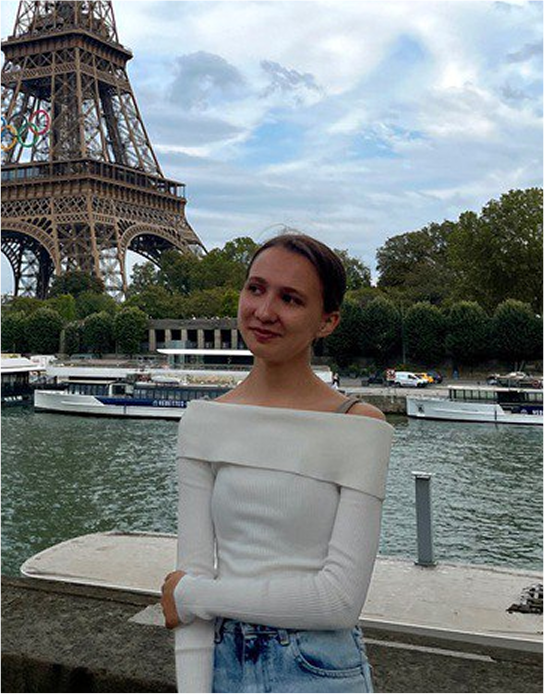
She enrolled in graphic design at universities in France, Italy and Hungary. She received scholarships at all of them and chose the university with the maximum funding — $135,000 for the entire period of study.
She entered graduate school at Kent State University and Ohio University. At Ohio University, she won a Graduate Teaching Assistantship with full funding of $37,774, covering tuition, insurance, and living expenses.
Got accepted to NYU Abu Dhabi on the first try (acceptance rate 4%) with a scholarship of $217,000. Also received offers from Lynn and Drexel University.

He entered Siena Heights University (USA) for the Theater and Music program with a full scholarship of $170,000. Preparation took less than a year.
Leave your contacts — our consultant will get in touch
