





Why STEM Applications Should Start with Choosing a Career Direction
Время чтения:
0 мин
0 мин


Erasmus University Rotterdam
 Rotterdam, Netherlands
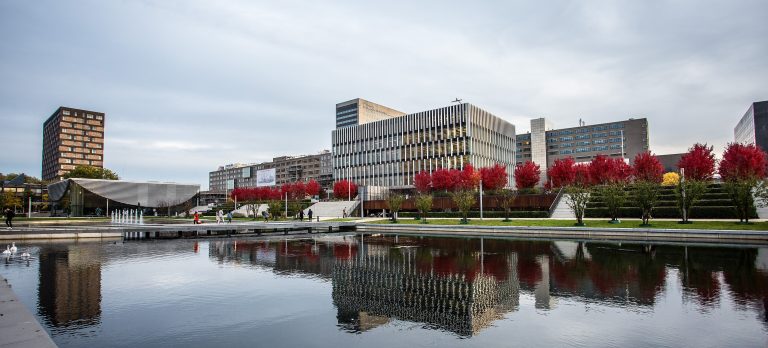
 Erasmus University Rotterdam is a renowned research university in the Netherlands, a favorite among applicants focused on economics, business, social sciences, and data analytics. The university is located in Rotterdam, one of Europe's most international and business-focused cities, home to major corporate headquarters, financial institutions, and logistics hubs. Admission to Erasmus University Rotterdam is open to both EU and non-EU students.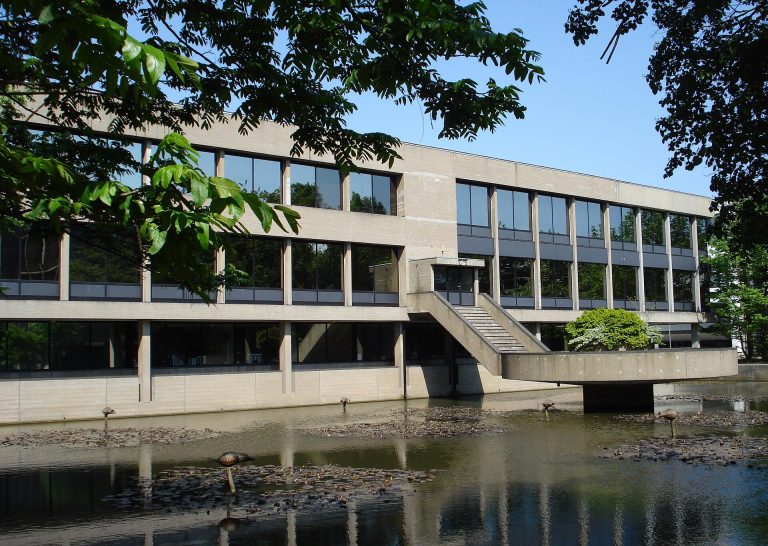
Princeton University was founded in 1746 and is one of the oldest and most prestigious universities in the United States. Located in Princeton, New Jersey, it is a member of the Ivy League, which unites elite educational institutions. The university provides funding for undergraduate and doctoral studies, and some master’s programs are completely free.
| Degree of study | Bachelor's, Master's, Doctoral studies |
| Percentage of students accepted | 6% |
| Probability of employment after training | about 84% of graduates find employment or continue their education within six months of graduation |
| Scholarships | a wide range of financial assistance for foreigners |
| Directions | a multidisciplinary university with a wide range of programs |
| Type | private university |
| Student body size | about 9,000 students |
| % of international students | 12% |
| Student town | The location in the small American town of Princeton Limits cultural and entertainment opportunities compared to large cities, but the town's infrastructure is well developed and represents a whole student "city" |
Erasmus University Rotterdam is located in the Netherlands, in Rotterdam—Europe’s largest port and one of the region’s key economic centers. Founded in 1913, the university is now among Europe’s leading research universities.
EUR’s core competencies include economics, business, management, social sciences, medicine, and data science. The university actively participates in international research and collaborates with European institutions and major corporations.
Erasmus University Rotterdam is well suited for those considering an academic career, work in international companies, consulting, finance, analytics, and public policy.
| Degree of study | Bachelor's, Master's and PhD |
| Percentage of accepted students | 50%, depending on the faculty and program |
| Probability of employment after training | After graduation, more than 90% of students find a job or enroll in graduate school within the first six months |
| Scholarships | Partial/targeted (including for foreign students subject to funding conditions) are available |
| Directions | Economics, business and management, law, social sciences, medicine and healthcare |
| Type | Public research university |
| Student building size | More than 28,000 students |
| % of international students | About 25-40% |
| Campus | Own dormitories, laboratories, startup incubators, sports infrastructure |
One of the most common problems applicants face is confusion between the various universities in Rotterdam. Erasmus University Rotterdam and Rotterdam University of Applied Sciences are particularly often confused.
Erasmus University Rotterdam is an academic research university. It focuses on theory, science, analytics, and preparation for Master’s and PhD programs. Rotterdam University of Applied Sciences is a university of applied sciences. It is more focused on practical professions, applied programs, and rapid entry into the labor market.
The difference is fundamental:
What do people usually mean when searching for “rotterdam university”? When users type “rotterdam university” or “rotterdam university,” they most often mean Erasmus University Rotterdam, but sometimes they end up on websites for applied universities.
Therefore, it is always important to check the full name of the university and the type of program to avoid submitting documents to the wrong place and receiving a completely different education format.
Cost is a key issue when choosing the Netherlands as a study destination. Unlike the US or UK, education here is significantly cheaper, but it still requires financial planning.
A student’s budget in euros consists of two main components: tuition fees and living expenses. Mandatory items include:
Even with relatively low tuition, living expenses account for a significant portion of the budget.
How do costs differ for EU/EEA and non-EU students?
In the Netherlands, there is a fundamental distinction. Students from EU countries pay significantly less, as part of their tuition is subsidized by the state. Non-EU students pay the full cost of the program. Below are approximate figures for the 2026–2027 academic year:
Tuition fee:
Housing and living expenses:
For students requiring a residence permit, the university requires proof of financial means, including living expenses of approximately €1,150 per month.
For EU students, tuition is relatively inexpensive (around €2,600 per year), while for non-EU students, tuition costs can be four to eight times higher. The total annual budget for a foreign student can easily exceed €20,000–30,000, especially for large programs and master’s degrees.
Admission to Erasmus University Rotterdam is fairly straightforward, but it varies greatly depending on the specific program. There’s no single “template” for all universities in the Netherlands, so you should always check the requirements on the page for your chosen program.
In general, EUR admissions evaluates not only formal criteria but also the applicant’s profile and the chosen program.
| Academic requirements | The main criteria are academic performance and the relevance of previous education. For undergraduate programs, it is important that the school curriculum corresponds to the level of preparation recognized in the Netherlands. For master's programs, it is crucial that the degree profile matches the chosen program. |
| English level | Most programs at Erasmus University Rotterdam are taught in English. Admission requires proof of English proficiency, most commonly through IELTS or TOEFL. |
| Motivation letter, CV, recommendations, portfolio | A motivation letter plays a key role, especially for master's programs. This is where the admissions committee assesses whether the candidate understands the purpose of the program and how it fits into their career plan. A CV should highlight not only their education but also practical experience, internships, projects, and volunteer work. Recommendations and a portfolio may be required for certain programs, particularly in business, analytics, and social sciences. |
| Deadlines and Applications: How to Avoid Wasting a Year | One of the most common mistakes is missing deadlines. In the Netherlands, most programs close quite early, especially for non-EU students who still need time to secure a visa and accommodation. On average, it's best to apply at least 9-12 months before the start of your studies. Applying late almost always reduces your chances and limits your access to funding. |
Although studying in the Netherlands is cheaper than in the US or UK, funding remains a critical issue for many families.
What types of funding are available:

The NL Scholarship is a state-funded partial scholarship (often around €5,000–€10,000 for the first year of study) for students from outside the EEA. These national grants help cover tuition or part of the costs.
Erasmus+ Grant is a European grant for internships and studies abroad (as part of exchange programmes), with payments depending on the host country and travel allowance coverage.
The university provides access to a number of external funds and programs (for internships, research, and exchange):
Preparing for Erasmus University Rotterdam requires a systematic approach and time:

At this stage, the foundation of the future application is formed:
The active phase begins:
Final stage:
Some programs may require an interview or portfolio, especially at the Master’s and PhD levels.
Even strong candidates are regularly rejected. The reasons are usually similar and consistent, for example:
Each of these issues can be corrected with an early start and competent support.
We assist with admission to European, American, and Asian universities using a proprietary methodology. Our experts begin with a profile assessment, then develop an admissions strategy, help select programs, strengthen the profile through projects, and properly prepare documents.
Our work includes:
Our goal is to create a strong, competitive candidate image that will stand out from hundreds of other applications.












She enrolled in Fashion PR programs at five US universities
She was admitted to three American universities at once: Augustana College, Widener University, and the University of South Dakota. She chose Augustana College, where she received a scholarship of $45,000 per year.

Got accepted to NYU Abu Dhabi on the first try (acceptance rate 4%) with a scholarship of $217,000. Also received offers from Lynn and Drexel University.

He entered a master’s program in the USA at two universities at once – Brandeis University and Washington University in St. Louis, receiving scholarships totaling $80,000. He chose Brandeis University and went to study on the first try.
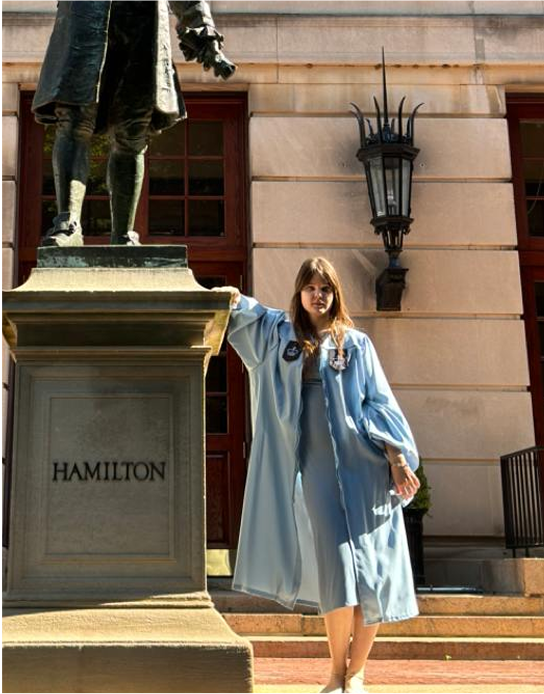
I was accepted to the PhD program at Columbia University on my first try, having strengthened my profile and compiled my achievements into a strong application.
She enrolled in graphic design at universities in France, Italy and Hungary. She received scholarships at all of them and chose the university with the maximum funding — $135,000 for the entire period of study.

He entered Siena Heights University (USA) for the Theater and Music program with a full scholarship of $170,000. Preparation took less than a year.

She entered graduate school at Kent State University and Ohio University. At Ohio University, she won a Graduate Teaching Assistantship with full funding of $37,774, covering tuition, insurance, and living expenses.




«I didn’t know what I wanted to study for, and I was given an appointment with a career guidance counselor. We chose medicine, which I am very happy about»

 Video review of Diora
«If you are in doubt about where to go, worried that it won’t work out, then what are you waiting for? Come for a consultation with an expert»
Video review by Anastasia
«There are many companies on the market that help with studying abroad, but no one does it as comprehensively as SelfStart»
Review by Egor
«Now a new best life is beginning, full of victories and adventures. This is absolute happiness, and I wish it to everyone»
Video review from Ksenia
«I am currently in 11th grade at a school in Kyiv, but I have already been admitted to a U.S. bachelor’s program and received a 100% scholarship»
Feedback from Ksenia
«The main thing is the match with the university. I didn’t look at rankings, but at how well the university fit my profile and goals»
Review by Leila
«I liked that the company focuses on developing a personal brand, as this is important for admission to the USA»
Elina's video review
«I was looking for information on how to apply to a university and came across many webinars. One of them was hosted by Radmila»
Video review by Leonid
«With SelfStartGlobal support, you will always know: what to do, why to do it and when to do it. This saves a lot of time»
Video review by Igor
«We started preparing a year in advance, and this was not enough. To have a good profile, you need to spend several years being active»
Sabrina's video review
«I liked that we had constant contact with Ksenia (curator). I needed clear deadlines - I myself would start to grab onto everything at once»
Video review from Sofia«It took me a while to realize I'd been accepted. It was an unforgettable experience, one I wish everyone who dreams of studying abroad could experience»
Alina's video review«Don't waste your time choosing an admissions company; I've done it for you. Just contact SelfStartGlobal – they'll help you»
Video review by Lazizbek«Among all the companies in the admissions market, SelfStartGlobal places an emphasis on distinguishing students from other candidates»
Video review by Lilia«At first, the university refused me a scholarship, but my supervisor helped me write a letter, after which I received a 100% scholarship»
Video review by Natalia«When I started, I knew absolutely nothing about applying abroad: no deadlines, no documents, nothing!»
Video review by Ruslan
«There were many questions during the process, but they helped me in everything, supported me and convinced me that I was on the right path. I think this is the most important thing»
Video review from Kamola
«I got into a top university thanks to the way I presented myself in my motivation essay, CV, and letters of recommendation»
Video review by Daria