


Study Abroad: How to Apply and What to Expect After Graduation

The choice of country for study depends primarily on your academic goals. For example, engineering specialties are traditionally strong in Germany and the USA, humanities in France and Great Britain, and medical education in Canada and Australia.

Get a Consultation

How to Choose a Country to Study Abroad

It is also important to consider the peculiarities of the educational systems of different countries. In the USA, the emphasis is on the practical application of knowledge, in Great Britain – on deep academic training, and in Germany – on scientific research and applied development.

But in addition, you should not ignore a number of practical factors that directly affect the comfort and prospects of studying abroad:

  • language of instruction and requirements for its level;
  • cost of tuition and accommodation;
  • rules for obtaining and extending a student visa;
  • opportunity to work part-time and further employment;
  • recognition of a diploma in other countries.

The cultural environment, climate, level of support for foreign students and access to medical services – all this also affects adaptation and the overall quality of life abroad. The more factors you take into account when choosing a country, the more likely it is that studying abroad will be not only high-quality, but also comfortable for you.

How to choose a university and program

One of the most common mistakes at the start of preparation is choosing universities either blindly or with excessive caution. Some people simply take a list of “top 10 universities in the world” and start applying there without taking their chances into account. Others, on the contrary, are afraid to dream and choose only “reliable” universities that are guaranteed to accept (but which they don’t really dream of getting into).

In fact, the right approach is a balance between ambitions and reality: when the chosen universities simultaneously correspond to your goals, profile and real chances of admission.

How to make a list of universities correctly?

We recommend dividing universities into three categories:

  • Dream — dream universities. Getting into them can be difficult, but these are the places you really want to go.
  • Target — universities where you have a good chance of getting in and getting a scholarship. This is your “golden mean”.
  • Safety — options where the probability of admission is close to 100%, and you feel confident.

Optimal distribution:
2–3 Dream, 5–6 Target, 2–3 Safety — a balanced list that gives both a chance and confidence.

What else is important to pay attention to?

To understand how suitable a university is for you, analyze several key parameters:

  • Admissions requirements — evaluate how your GPA, language exam results (IELTS/TOEFL), SAT/ACT and other indicators meet the university’s expectations.
  • Extracurricular achievements — Olympiads, projects, volunteering, sports successes — all this strengthens your application.
  • Scholarships and funding — check where international students actually receive financial support.
  • Deadlines and application format — keep an eye on the terms and conditions. They may differ not only by country, but also by program.

It is also important to study the program itself: its content, specialization, reputation of teachers, as well as the campus atmosphere, student support and career prospects after graduation.

When and how to apply to a university abroad

Applying to a foreign university requires preparation in advance — usually 1–1.5 years before the start of studies. The deadlines and format of submission depend on the country, university, and type of program, but there is a general logic that is worth following.

Approximate deadlines for popular countries:

  • USA: main admission — until January 1, early — from October to November of the previous year
  • UK: until January 15 via the UCAS platform (and for Oxford/Cambridge and medicine — until October 15)
  • Canada: most often — from December to March, but may differ by province
  • Germany and France: admission in spring and summer, focus on April–July
  • Australia: 2 waves of admission: for February and July, documents are submitted 6–8 months in advance
  • Netherlands: usually until January 15 or March 1

Important: all deadlines apply to the submission of a full package of documents, and not to the start of preparation! It is worth starting in advance – at least a year in advance.

Our experts will help you collect a complete package of documents taking into account all the requirements of the chosen university.

How to get a student visa

Obtaining a student visa is an important step towards studying abroad. To pass it successfully, you need to properly prepare the documents, fill out the application form and, in some cases, pass an interview at the consulate or visa center.

The list of required documents may vary depending on the country, but most often includes:

  • A completed visa application form (online or in paper form);
  • A passport valid for at least 6 months from the expected departure date;
  • An official acceptance letter from a university or college;
  • Proof of financial solvency (bank statements, sponsorship letter, scholarship documents, etc.);
  • Medical insurance covering the entire period of stay;
  • Photos that meet visa requirements;
  • Education documents (certificates, diplomas, academic transcripts);
  • Certificates of language proficiency (TOEFL, IELTS and others, depending on the country and program).

We support students at all stages of the visa process: from the first consultation and collecting documents for study to receiving an offer. You can choose the format of assistance: from a one-time consultation on visa strategy to full support, including preparing a package of documents and preparing for an interview.

Want to know what actually fits you?

Sign up for a free consultation to find out how to make it easier to obtain a student visa and avoid common mistakes.

Get a Consultation

Budget and financial support

The cost of tuition, accommodation, food, transportation and health insurance in Europe, the USA and Asia can be very high. At SelfStartGlobal, we understand how important the issue of financing is, so one of the key priorities of our work is helping students obtain scholarships, grants and other types of support.

We are the only company on the market that specializes not only in admission to foreign universities, but also in finding and applying for scholarships. The total amount that our students have saved thanks to financing has exceeded $25 million.

Thanks to our original admission strategy, more than 1,400 of our students are already studying at the best universities abroad for free or with minimal costs.

What to do after finishing your studies abroad

There are many opportunities available to you after completing your studies abroad. The choice depends on your major and the country you will study in, as well as your goals and plans for the future:

Work abroad

Many students want to stay in the country of study and start a career there. To do this, you will need a work visa, which depends on the laws of the country. It is important to start looking for a job before you graduate, using online resources, career centers at the university, fairs, and contacts made during your studies.

Returning to the homeland

Experience of studying and living abroad makes a specialist a competitive candidate in the labor market in any country. Returning to your homeland, be sure that most employers will be glad to see you among their employees.

Entrepreneurial activity

Studying abroad, especially in business or finance, can serve as a foundation for starting your own business.

Continuing education

After graduation, you can continue your education in a master’s program, and then in a postgraduate program. Many students study at a higher level in the same country, but there are also those who return to their home country to continue their education.

The opportunities after studying abroad are truly enormous, don’t be afraid to take full advantage of them!

FAQ

How to choose a university to study abroad?

Consider your major, the university’s reputation, accreditation, tuition, location, and other important factors. Use university rankings, but don’t rely solely on them.

When to apply to a university abroad?

Application deadlines vary, but are usually a year or more before the start of the academic year. Check the deadline on the website of your chosen university.

What documents are needed to enter a foreign university?

The required documents include an application, transcript, letters of recommendation, proof of language proficiency, financial documents, and a copy of your passport. The list of documents varies by university and country.
Which countries do we work with?

Netherlands
A modern university in the Netherlands, known for its innovative Problem-Based Learning (PBL) approach. Popular among international students, especially in business, economics, law, and healthcare
Bachelor's degree: from €9,000 to €15,000 per yearMaster's degree: from €10,000 to €18,000 per yearDoctorate: free or about €2,500 per year
Italy
One of the oldest universities in Europe with strong traditions in science, medicine, and the humanities. Attractive due to its combination of academic quality, affordable tuition, and student life in Italy
Bachelor's degree: from €2,000 to €4,500 per yearMaster's degree: from 3,000€ to 6,000€ per yearDoctoral studies: from 1,500 to 3,000 € per year
USA
One of the most prestigious universities in the United States, part of the Ivy League. Strong in natural sciences, engineering, economics, and the humanities. Known for a high level of academic support and generous scholarships
Bachelor's degree: about $60,000 per yearMaster's degree: average $58,000 per yearDoctoral studies: free*
USA
A leading U.S. research university and a global leader in medicine, biotechnology, and international relations. Distinguished by a strong focus on research, practice, and interdisciplinary studies
Bachelor's degree: $63,340 per yearMaster's degree: $65,956 per yearDoctoral studies: about $65,000 per year
USA
A large public research university in the United States with a high academic ranking. Offers a wide range of programs, strong STEM fields, and more affordable tuition compared to private universities
Bachelor's degree: from $55,000 per yearMaster's degree: $15,000 - $40,000 per yearDoctoral studies: $10,000-$30,000 per year
USA
A prestigious Ivy League university located in the heart of New York City. Offers strong programs in business, journalism, international relations, and engineering, as well as broad career opportunities
Bachelor's: $72,800 per year (tuition, 2026/27)Master's: $50,000–$70,000 per yearPhD: usually fully funded (tuition + stipend)
France
Bachelor's degree: about $60,000 per yearMaster's degree: average $58,000 per yearDoctoral studies: free*
France
Bachelor's degree: about $60,000 per yearMaster's degree: average $58,000 per yearDoctoral studies: free*
France
Bachelor's degree: about €2,770 per yearMaster's degree: about €3,770 per yearPhD: about 380–450 € per year
United Kingdom
Bachelor's degree: about $60,000 per yearMaster's degree: average $58,000 per yearDoctoral studies: free*
USA
A private research university in the United States, founded in 1636. Considered one of the most prestigious universities in the world, it is known for its strong programs in law, business, medicine, engineering, and social sciences, its high student selection rate, and its robust financial aid system.
Bachelor's degree: $80,000 – $87,000 per yearMaster's degree: $62,000 - $70,000 per yearDoctoral studies: from $30,000 - $60,000 per year
United Kingdom
Bachelor's: £42,700 – £45,500 per year (Medicine £58,600)Master's: about £40,000 – £50,000 per yearPhD: about £26,500 – £32,300 per year
United Kingdom
King's College London is a public research university in London, England, with a long academic history and high level of research activity. It is a member of the prestigious Russell Group, an association of leading British research universities.
Undergraduate: £24,000 – £40,000 per yearMaster's: £23,000 – £40,000+ per yearPhD: £28,150 – £32,600 per year
USA
The Massachusetts Institute of Technology is a leading private research university in the United States, located in Cambridge, near Boston. MIT is a global leader in engineering, computer science, artificial intelligence, economics, and fundamental science. The university is known for its strong focus on practice, scientific research, startups, and technological innovation.
Bachelor's: $66,720 per year (tuition, 2026/27)Master's: $66,720 per year (standard graduate tuition)PhD: usually fully funded (tuition + stipend)
United Kingdom
Oxford University is one of the oldest and most prestigious universities in the world, founded in the 12th century. The university is renowned for its strong programs in the humanities, natural sciences, and social sciences, high-quality academic research, and international recognition.
Undergraduate: £28,000 – £45,000 per yearMaster's: £28,000 – £48,000 per yearPhD: £26,000 – £35,000 per year
Germany
The Technical University of Munich (TUM) is Germany's leading public technical university in Munich, known for its strong programs in engineering, computer and natural sciences, high level of research and excellent graduate employability opportunities.
Bachelor's degree: semester fee €85 – €100Master's degree: semester fee €85 – €100PhD: semester fee €85 – €100
France
Paris Sciences et Lettres University (PSL) is a prestigious public research university in Paris, uniting France's leading universities and research institutes. The university is renowned for its high-quality education, strong programs in science, engineering, economics, and the humanities, as well as its strong international reputation and excellent career prospects for its graduates.
Bachelor's degree: approximately €2,770 per yearMaster's degree: about €3,770 per yearPhD: about €494 per year
USA
Carnegie Mellon University (CMU) is a private research university in Pittsburgh, USA. Known for its strong programs in engineering, computer science, business, arts, and social sciences. CMU is renowned for its interdisciplinary approach, cutting-edge research and preparing students for successful careers in science, technology, business and the creative industries.
Undergraduate: $90,000–$95,000 per yearMaster's degree: $90,000–$100,000 per yearPhD: about $90,000–$100,000 per year
USA
Emory University is a prestigious private university in Atlanta, Georgia, founded in 1836. It is known for its strong programs in medicine, business, public health, science, and the humanities. The campus combines historic architecture, modern laboratories, and an active student life.
Bachelor's degree: ≈67,000 USD per yearMaster's degree: ≈50,000–70,000 USD per yearPhD: about ≈90000–110000USD per year
Netherlands
Erasmus University Rotterdam is a prestigious research university in the Netherlands, renowned for its strong programmes in economics, business, social sciences and health sciences, as well as its international learning environment and high level of academic research.
Bachelor's degree: €11,400 – €14,000 per yearMaster's degree: €19,950 – €25,800 per yearPhD: around €8,000 per year
Netherlands
Vrije Universiteit Amsterdam is a public research university in Amsterdam, the Netherlands, with approximately 25,000 students. Its strengths include economics, business, law, psychology, social and natural sciences, and medicine. It has a modern campus in Amsterdam-Zuid and offers a variety of scholarships for international students.
Bachelor's degree: €8,000 – €13,000 per yearMaster's degree: €22,000 – €34,000 per yearPhD: about €8,000 per year
USA
Georgetown University is a prestigious private research university in Washington, DC, USA, known for its strong programs in international relations, business, law, politics and social sciences, with a vibrant international student environment and a campus in the historic Georgetown district.
Bachelor's degree: $74,520/yearMaster's degree: $60,000–68,000/yearPhD: $33,000–35,000/year
USA
Bachelor's degree: $62,982/yearMaster's degree: $43,000/yearPhD: $40,000 - $60,000/year
Netherlands
Utrecht University, or Universiteit Utrecht, is one of the most renowned research universities in the Netherlands, consistently chosen by international students seeking academic excellence and international careers. Utrecht University is attractive for its combination of a strong research foundation, a large number of English-taught programs, and a relatively transparent admissions system.
USA
The University of Michigan at Ann Arbor is the "Michigan" people usually think of when they think of one of the strongest public universities in the United States.
South Korea
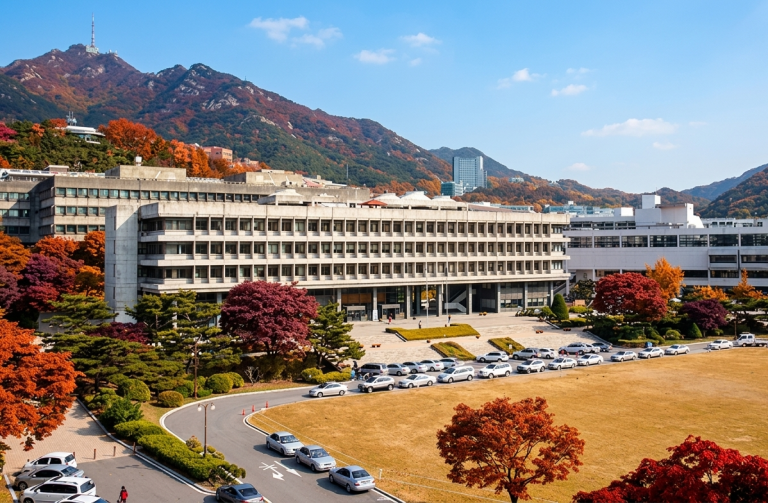
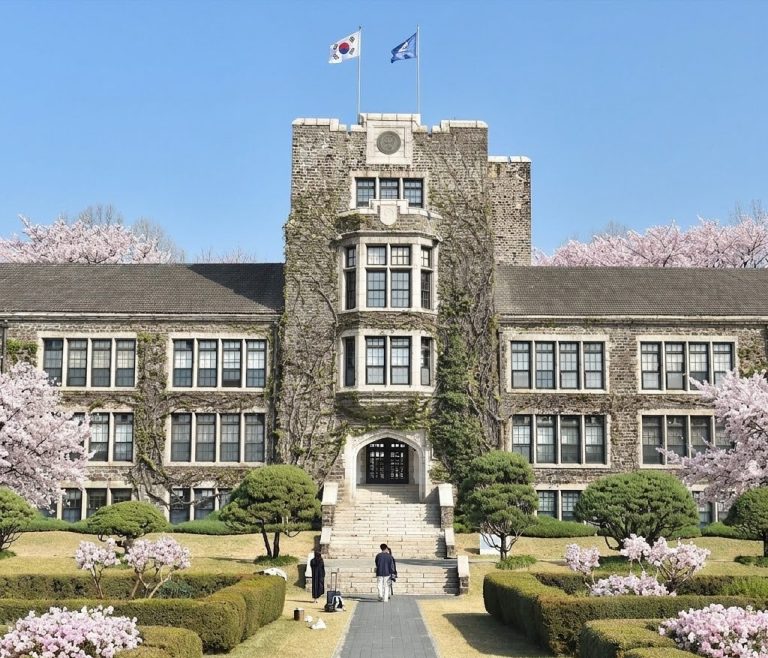
Seoul National University is South Korea’s leading national university, founded in 1946 by the merger of ten educational institutions in Seoul. It is part of the unofficial SKY trio, along with Korea University and Yonsei University. It attracts international students with strong programs in engineering, computer science, natural sciences, pharmacy, and international studies.
Bachelor's degree: $4,700 to $6,500 per yearMaster's degree: from $5,500 to $8,000 per yearDoctoral studies: from $4,500 to $7,000 per year
South Korea
Bachelor's degree: $6,400 to $11,800 per yearMaster's degree: from $8,000 to $14,000 per yearDoctoral studies: from $7,000 to $12,000 per year
USA
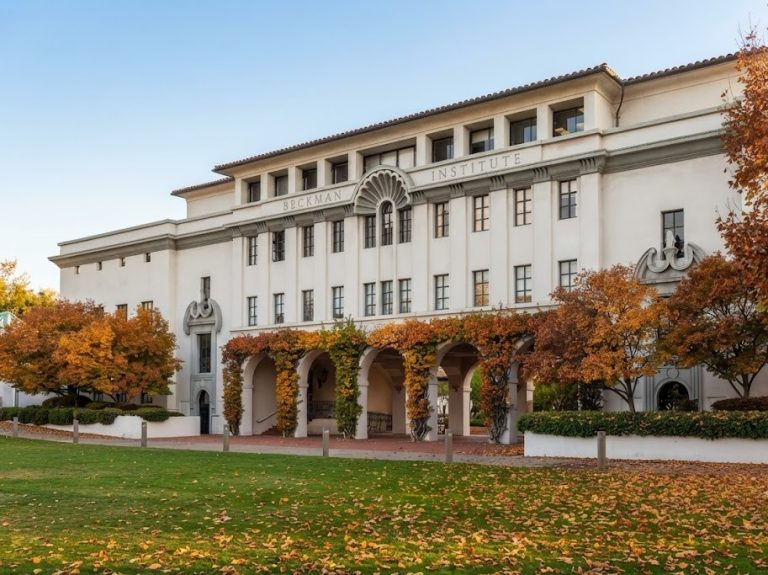
The California Institute of Technology is one of the most prestigious science and engineering universities in the world. Caltech specializes exclusively in science, engineering, and technology. Despite its small size—approximately 990 undergraduate students and 2,400 total students—the institute ranks among the top ten universities in the world according to all key rankings. Admission to Caltech…
Bachelor's degree: $65,622 per yearMaster's degree: $68,001 per yearDoctoral studies: $68,001 per year
USA
The University of Chicago (UChicago) is one of the most intellectually demanding universities in the world. In the QS World University Rankings 2026, UChicago ranked #13 in the world — jumping 8 spots from #21 last year. UChicago consistently ranks among the world’s top 3 in economics and social sciences, and rightfully in the top…
Undergraduate: $73,266 per hourMaster's degree: about $68,652 per hourDoctoral studies: most PhD programs are fully funded
USA
The University of Pennsylvania (UPenn) is one of eight Ivy League universities, founded in 1740 by Benjamin Franklin. It is the only Ivy League university originally conceived as a practical institution: Franklin created it to prepare people capable of solving real-world problems. In the US News Class of 2026 ranking, UPenn ranked #7 among national…
Bachelor's degree: $73,978 per yearMaster's degree: from $35,000 to $90,000 per yearDoctoral studies: Most PhD programs are fully funded
USA
The University of Saint Mary (USM) is a private Catholic university in Leavenworth, Kansas, a 45-minute drive from Kansas City. Founded in 1923. It is a small university with a strong practical orientation — about 1,500 students, a faculty-student ratio of 11:1, and more than 30 undergraduate programs. For foreign applicants, USM is a real…
Undergraduate: $36,936 per hourMaster's degree: $9,073 per hourDoctoral studies: payment by credit hours
USA
Vanderbilt University is one of the leading private research universities in the USA, consistently ranked in the top 20 of the US News national ranking. Located in Nashville, a city with a unique cultural identity and an actively developing technological and business ecosystem. Vanderbilt is known for its exceptionally generous financial aid system: starting in…
Undergraduate: about $66,000 per hourMaster's degree: from $22,000 to $67,000 per hourDoctoral studies: most PhD programs are fully funded
USA
Yale University is one of the oldest universities in the United States, founded in 1701, and one of eight Ivy League universities. In US News 2026, Yale ranks #4 among national universities—higher than all Ivy League universities except Princeton and Harvard. Yale Law School is the #1 law school in the United States almost every…
Bachelor's degree: $72,500 per yearMaster's degree: from $44,000 to $88,000 per yearDoctoral studies: Most PhD programs are fully funded
China
Fudan University is one of the leading universities in China and Asia, founded in 1905. It is part of the C9 League, an elite association of nine leading Chinese universities, which is often compared to the American Ivy League. For foreign applicants, Fudan in Shanghai is a combination of a high academic level, an international…
Undergraduate: 23,000 to 40,000 RMB per hour (about 3,200-5,500 USD)Master's degree: about 28,000 to 50,000 RMB per hour (about 3,900-7,000 USD)Doctoral studies: about 30,000 to 55,000 RMB per hour (about 4,100-7,600 USD)
Singapore
Nanyang Technological University is one of the world’s leading research universities, founded in 1991. NTU is one of the youngest universities in the global QS top 15: in just over 30 years, it has surpassed most institutions with a century-long history. All programs are taught in English. Around 35,000 students from 100+ countries, with approximately…
Undergraduate: SGD 40,500–45,500 per year (approx. USD 30,000–34,000)Master's: SGD 20,000–50,000 per year depending on programPhD: most research PhD programs are fully funded through the NTU Research Scholarship — tuition waived plus monthly stipend
Canada
Bachelor's degree: 26,000 to 45,000 RMB per year (approximately 3,600–6,300 USD)Master's degree: from 29,000 to 188,000 RMB per year (about 4,000–26,000 USD)Doctoral studies: 32,000 to 60,000 RMB per year (approximately 4,500 to 8,400 USD) – most PhD students receive funding through CSC or university scholarships
China
Bachelor's degree: 24,800 to 30,000 RMB per year (approximately 3,400–4,200 USD)Master's degree: from 28,900 RMB per year (about 4,200 USD)Doctoral: 45,500 RMB per year (approximately 6,600 USD) – most PhD students receive funding through SJTU Fellowship or CSC
Singapore
Bachelor's degree: SGD 26,200 to SGD 49,950 per yearMaster's degree: from 21,800 to 72,000 SGD per yearDoctoral degree: SGD 13,700 to SGD 40,300 per year
China
Bachelor's degree: from 26,000 RMB/ to 45,000 RMB/yearMaster's degree: from 29,000 RMB/ to 120,000 RMB/yearDoctoral studies: 29,000 to 45,000 RMB/year – most PhD students are funded through CSC, Tsinghua Fellowship, or professorial grants
USA
The University of Notre Dame is one of the top twenty universities in the United States and the only major private university with a need-blind admissions policy for all students—including international ones.
Bachelor's degree: $67,607 per year (tuition + fees, 2025–2026)Master’s degree: depends on the program — $72,000–$80,000 per yearDoctoral studies: the majority of PhD programs are fully funded through departmental fellowships and assistantships
USA
Bowdoin College is one of the top five liberal arts colleges in the U.S. and one of only six institutions worldwide to employ a need-blind admission policy for international students that fully meets demonstrated financial need without the use of loans.
Undergraduate: $71,740/year (tuition + fees); COA ~$93,880/year
USA
Case Western Reserve University is a leading private research university in the U.S., often described as “America’s most underrated top-50 university.” In April 2026, TIME ranked CWRU 25th globally—a ranking based not on reputation surveys, but on actual graduate outcomes such as income, innovative contributions, and leadership roles.
Bachelor's program: $69,280/year (tuition + fees); COA ~$85,000–95,000/yearMaster's degree: $30,855 to $54,870/year (depending on the program; Law and Medicine are higher)Doctoral studies: most PhD programs offer full funding via fellowships and TA/RA positions.

Find a university

Austria

High-quality education with low tuition costs. Attractive for its stable system, strong academic traditions, and high quality of life
Belgium

European education in the heart of the EU. Suitable for studying business, politics, and international relations, with affordable programs and a multicultural environment
United Kingdom

Classical education with global recognition. Shorter study periods, strong humanities and business programs, and a highly valued diploma
Germany

One of the most popular study destinations in Europe. Free or low-cost education, strong technical and engineering fields, and high demand for graduates
Spain

Education in a friendly European student environment. Promising English-taught programs and strong fields in business, tourism, and design

UAE

Modern education in an international environment. Campuses of leading global universities, English-taught programs, and a strong focus on careers and business
Netherlands

One of the leaders in English-taught programs in Europe. Practice-oriented education, high graduate employability, and a comfortable environment for international students

Switzerland

A country of prestigious education and high standards. Especially strong in business, finance, hospitality management, and international relations
Italy

A combination of academic tradition and affordable education. Particularly in demand for studies in design, architecture, business, and the humanities
USA

A popular destination for studying abroad. Prestigious universities, a flexible education system, a wide selection of programs, and broad career prospects

Canada

High-quality education with strong support for international students. Attractive for its safe environment and career and immigration prospects
Portugal

One of the most affordable countries in Europe for education. Comfortable adaptation, a growing number of English-taught programs, and good prospects for long-term residence
France

High-quality European education at an affordable cost. Attractive for strong programs in business, arts, and engineering, as well as the option to study in English or French
Related articles

Get a free consultation

Leave your contacts — our consultant will get in touch