Climate
The climate in Austria is moderately continental: winters are cold and snowy, especially in the mountains, and summers are warm and sunny. Precipitation falls evenly throughout the year, in the Alps the weather is more changeable.
Culture
Austria is famous for its rich cultural heritage, especially in music and art. The birthplace of Mozart and Schubert is famous for the opera houses, museums and architecture of Vienna. Traditions such as balls and folk festivals are still preserved.
Economy
Austria is a developed country with a strong economy based on industry, services and tourism. Mechanical engineering, banking and ski tourism are important. The country trades actively and is a member of the EU.
9 millionpopulation of the country
$55 thousandGDP per capita
26%foreign students
5 in the worldfor safety
70universities in the country
Features of education
Austrian educational institutions maintain an impeccable international reputation for exceptional quality of education and research achievements. Degrees from Austrian universities are recognized in Europe and beyond. Both local and international students are supported by benefits in the country: free tickets for public transport, discounts at museums and theaters.
Duration of training
Bachelor's degreeDuration: 3 years (6 semesters)
Upon completion of the program, the graduate receives a Bachelor of Arts (BA), Bachelor of Science (BSc) or similar degree depending on the direction.
Master's degreeDuration: 1–2 years (usually 2 years / 4 semesters)
A Master’s program deepens knowledge in a specialty and can be academic or applied. Upon completion, the degree of MA, MSc, Mag. (in classical universities), etc. is awarded.
Doctoral studiesDuration: 3-4 years
The program focuses on scientific research and writing a dissertation. After defense, a PhD or Dr. degree is awarded (e.g. Dr.phil., Dr.rer.nat., etc. — depending on the discipline).
Prospects for foreigners
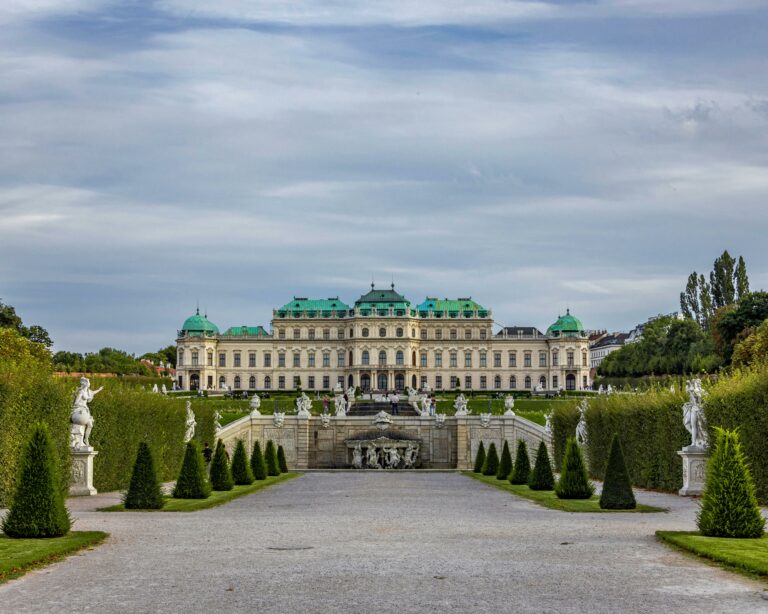
With its Alpine landscapes and Baroque architecture, Austria has become home to students from all over the world. The Central European country offers a high standard of living, is safe and comfortable.
Why is it worth going to Austria
Many programs, especially master’s and doctoral degrees, are offered in English, which is convenient for international students.
Education at state universities requires a symbolic fee; there are also free programs and scholarships.
Austrian degrees are valued in Europe and beyond, opening the way to an international career.
You can combine study with work up to 20 hours a week.
Austria is a small and mobile country with a developed infrastructure, you can get around here without a car, almost everything is within walking distance.
Education in Austria is adapted to modern reality and is aimed at preparing strong specialists who are ready to be hired by large companies. That is why thousands of students from all over the world come here to get a bachelor’s, master’s and doctoral degree.
How to apply to a university in Austria
Austrian universities are open to students from all over the world and offer quality education at an affordable price. However, admission requires preparation: it is important to consider not only academic, but also linguistic, legal and organizational nuances. Below are the key features that you need to know in advance.

11 classes are not enoughIn Austria, school education lasts 12 years, so a graduate from a country with 11 years of education must go through a preparatory stage: either study for 1 year at a university in their own country, or complete a Foundation at an Austrian university (6-12 months).

Language of instructionMost programs are taught in German. To enroll, you will need to confirm your level of proficiency (ÖSD, TestDaF, etc. certificates).
Some programs, especially at the Master’s level, are available in English – in this case, you will need IELTS or TOEFL certificates.

Entrance examsUniversities may conduct entrance examinations – tests on specialized subjects. The Numerus Clausus system applies to popular areas, i.e. the number of places is limited, and selection is based on academic and other criteria.

Recognition of documentsForeign diplomas and certificates undergo a recognition procedure through equivalence (Anerkennung) or nostrification (Nostrifizierung). Sometimes this requires passing additional exams or completing courses.

Submission DeadlinesApplication deadlines for international students differ from those for local students and may vary by university. It is very important to check the specific admission requirements on the university website in advance: each university sets its own rules and deadlines.
Want to know what actually fits you?
Leave your contacts — a consultant will review your profile and map out the shortest path to admission

Tuition fees
The cost of education in Austria for international students depends on the type of educational institution, the level of study (bachelor’s, master’s, doctoral) and the region of the country. Compared to other European countries, tuition fees are low here.
Approximate prices:
- Bachelor’s degree — €2,500-€5,000 per year
- Master’s degree — €3,000-€6,000 per year
- Doctoral degree — €3,500-€7,000 per year
In public universities, citizens of some countries may receive reduced tuition fees — they only need to pay administrative fees.
You can save from 50% to 100% of your tuition and even living expenses with a scholarship. We help our students get funding from universities, the government, and third-party organizations. Our mission is to make international education accessible.
Scholarships for International Students
Austria offers many scholarships for international students, especially for those applying for Master’s and PhD studies. Make sure to use this chance to reduce the cost of your education!
Types of scholarships for foreigners
Merit-based scholarshipsAwarded for academic achievement, they cover part or all of the costs of tuition and living expenses.
Need-Based ScholarshipsDesigned for low-income students who need financial support.
Scholarships based on origin or citizenshipAvailable to students from specific countries or regions.
Exchange ScholarshipsProvided within the framework of international exchange programs such as Erasmus+.
Scholarships based on personal qualities or characteristicsAwarded for leadership qualities, social activity and other non-academic achievements.
Scholarships for specific research areasDesigned for students studying specific scientific fields or areas.
Scholarships for talented students in science/artsFor students with talents in art, sports and other fields.
Features of receiving scholarships in Austria:
The deadline for submitting documents is limited and is associated with the beginning of the academic year or semester.
Compliance with academic or financial indicators is confirmed by official documents.
In addition to the scholarship, you can cover the costs of studying and living through an internship or part-time job. Studying in Austria is not expensive, and sometimes even free, the main thing is to know your capabilities.
We help you get from 50 to 100% scholarships for education abroad. Sign up for a free consultation and find out more.
Accommodation and adaptation
The life of students in Austria is interesting and eventful. Parties and events are popular in student towns – you won’t be bored! This will also help you make new acquaintances and adapt to the country.
By the way, adaptation in Austria will be easier for students who know German, but if you only have your native language and English in your arsenal, it is also absolutely possible to move without stress. The main thing is to be friendly, open, attend not only lectures and seminars, but also informal events, without giving up on acquaintances.
Accommodation options
Student dormitories
The most popular and affordable option.
- Price: from €250 to €450 per month
- Amenities: rooms (single or double), shared kitchen and bathroom, often
- furnished
- Pros: low price, close to the university, socializing with other students
- Cons: limited number of places, need to apply in advance (often 3-6 months)
Room rental
Shared accommodation in a flat with other students.
- Price: €350 – €550 per month (depending on the city and area)
- Conditions: separate room, kitchen and bathroom — shared
- Pros: more personal space, often cozier and quieter than in a dorm
- Cons: finding accommodation and roommates falls on the student himself
Rent an apartment
Suitable for older students, families or those who prefer privacy.
- Price: from €500 to €900+ per month (depending on the city and size)
- Pros: complete independence, comfort
- Cons: high cost, utility costs, need to register at the address
Education in Austria is an opportunity to obtain a European-level diploma and study in a safe, developed country. Despite some difficulties with admission, Austrian universities offer great opportunities for study and career. The main thing is to prepare in advance and study all the requirements.







 What documents are needed to study abroad and how to prepare them