Culture
Belgium has a rich and diverse culture, thanks to its Flemish, Walloon and German-speaking minorities. The country is famous for its comic books (like Tintin), medieval architecture, and, of course, waffles and chocolate.
Climate
Belgium has a temperate maritime climate with mild winters, cool summers and frequent rainfall throughout the year. Due to its proximity to the sea, the weather often changes and the humidity remains high.
Economy
Belgium is a highly developed country with an open, export-oriented economy. The basis is the chemical industry, pharmaceuticals, mechanical engineering and trade. The port of Antwerp, one of the largest in Europe, plays an important role.
11.8 millionpopulation size
13%percentage of international students
98%level of urbanization
6,5%unemployment rate
3official languages
Peculiarities of education in Belgium
Belgium is a small country, but this does not hinder the development of education here. According to the international PISA program, academic performance in Belgian universities is higher than the European average. Belgium is also in 18th place in the ranking of countries with the highest level of education.
A distinctive feature of higher education in Belgium is the absence of a single state administration. There are academic councils that make decisions in universities. And depending on the academic council to which the university belongs, it will have certain features in the assessment system, admission procedure, tuition fees, etc.
Duration of training
Bachelor's degreeIt lasts 3 years and is divided into academic (for continuing education) and professional (for employment). Training is conducted in Dutch, French or English, depending on the region and university.
Master's degreeTakes 1-2 years and provides in-depth knowledge of the specialty. Programs can be academic or applied, often available in English, especially in international and technical areas.
Doctoral studiesLasts 3–6 years and involves independent research with a dissertation. A master’s degree and research proposal are required; doctoral students may be paid as research assistants.
Programs and specialties
Bachelor’s degree- Graphic design
- Psychology
- Economics, finance and management
Master’s degree- Graphic design
- Psychology
- Economics, finance and management
Doctoral studies- Graphic design
- Psychology
- Economics, finance and management
Prospects for International Students
Why go to study in Belgium when there are more popular and affordable destinations? At first glance, the choice may seem unconventional, but Belgium has significant advantages that make it an excellent destination for higher education.
Why is it worth going to Belgium?
High level of education
Belgian universities are ranked internationally and are known for their strong academic base, especially in the fields of law, economics, engineering and international relations.
Multilingual environment
The opportunity to study in English, French or Dutch and develop language skills in a multicultural environment.
Affordable Cost
Compared to other Western European countries, studying and living in Belgium is often cheaper.
Central location in Europe
Easy access to other EU countries for travel, internships and professional opportunities.
Program flexibility
A wide range of English-taught undergraduate and postgraduate degrees, as well as the ability to move between academic levels.
Support for international students
Developed infrastructure, many scholarships and international student communities.
Belgium loves students. There are housing assistance departments, medical centers, employment centers and other services that you can turn to in case of difficulties. After completing your studies, you can stay in the country for another “orientation” year to find a job or build your own business.
How to apply to Belgium
Applicants from the CIS countries can enroll in Belgium immediately after 11th grade. Additional exams are required only when enrolling in engineering, creative and medical programs.
What is important to consider when enrolling:

Choosing a UniversityThere are both public and private universities in Belgium. When choosing, focus not only on the university rating, but also on the program rating, the possibility of receiving a scholarship and other parameters that are important to you.

Language requirementsFor English-language programs — IELTS or TOEFL certificate, for programs in French/Dutch — DELF/DALF or NT2 certificate. Studying in English is only possible on the master’s level, bachelor’s programs are presented in one of the local languages.

Entrance examsMay be required for some specialties (e.g. GRE or GMAT). You can take the exams in Belgium or in your home country.

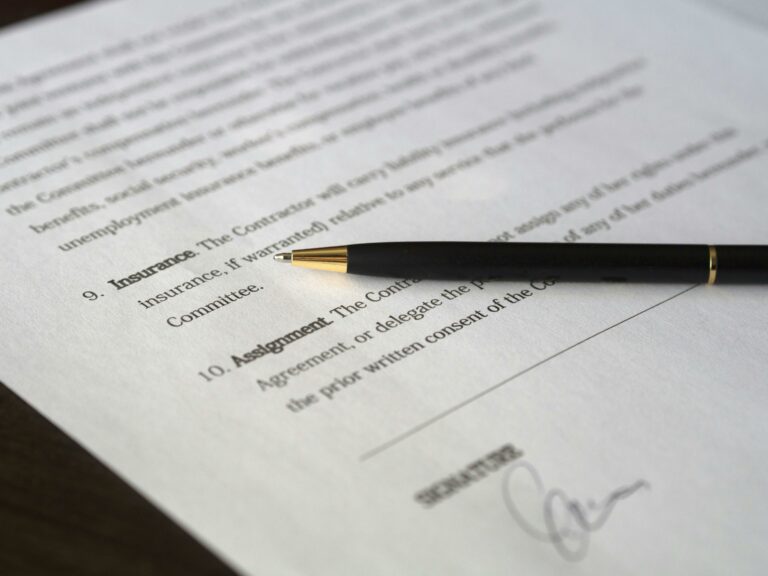
Package of documentsCertificate/diploma of previous education translated into English/French/Dutch, motivation letter and recommendations, copy of passport.

Submitting an applicationApplications are submitted online, deadline: January 15 for the fall semester, documents can also be accepted until May 1 for the spring semester.

Visa processingA category D visa is required for studying; within 8 days the student must obtain a residence permit from the local administration.
Want to know what actually fits you?
Leave your contacts — a consultant will review your profile and map out the shortest path to admission

Cost of education in Belgium
The cost of studying in Belgium for international students depends on the chosen university, program and level of education.
Approximate prices
Bachelor’s degree:
Public universities: €950 to €4,175 per year
Private universities: €6,000 to €10,000 per year
Master’s degree:
Public universities: €950 to €4,175 per year
Private universities: €8,000 to €12,000 per year
Doctorate (PhD):
Public universities: €950 to €4,175 per year
Private universities: €10,000 to €15,000 per year
Education in the country is inexpensive, if compared with other European countries. But living expenses can surprise. And this once again shows how important it is to get a scholarship for education, and preferably also for living.
Scholarships for foreigners
In Belgium, scholarships are available not only to local students, but also to foreigners. The country actively supports international mobility, so hundreds of grants are awarded each year for undergraduate, graduate and postgraduate students. Scholarships can cover tuition, accommodation and even travel.
Types of scholarships
VLIR-UOSFor Master’s students from developing countries (instruction in English, full coverage of expenses).
ARES ScholarshipsScholarships for short-term studies or master’s degrees at French-speaking universities in Belgium.
Erasmus Mundus Joint Master DegreesProgrammes implemented in partnership with Belgian universities, fully funded.
University ScholarshipsMany universities (KU Leuven, ULiège, VUB, etc.) offer their own grants for talented international students.
Government Scholarships and Exchange ProgramsFrom federal and regional authorities, including scholarships for researchers and doctoral students.
King Baudouin Foundation and other private foundationsThey offer specialized grants for individual countries or areas.
Tips on how to get a scholarship:
- Start preparing early – the ideal deadline for applying for most scholarships is 10-12 months before the start of your studies.
- Put together a strong package of documents – include a motivation letter, academic recommendations, proof of language proficiency, and a resume.
- Choose a suitable program – matching the applicant’s interests and the goals of the scholarship plays a key role.
- Follow the deadlines and requirements – each program has its own application features.
- Show your motivation and social significance – many programs are focused on future leaders and contribution to the development of society.
Belgium offers a wide range of scholarships, and with good preparation, the chances of receiving financial support are very high.
Our work algorithm allows our students to cover from 50% to 100% of the cost of tuition. We have helped our students receive scholarships totaling $25+ million, and we will help you too! Come for a consultation – we will tell you everything.
Accommodation and adaptation
To quickly adapt to a new country, we recommend visiting it in advance, taking a closer look at the local rules and understanding whether they suit you. During your studies, you should not close yourself within 4 walls, it is better to communicate with locals, other students, and be in society more often.
Accommodation options
Student dormitories
Cost — from 200 to 500 euros per month, depending on the conditions.
The most popular and affordable option among students. Dormitories are either state-owned (at the university) or private.
- Pros: proximity to campus, student atmosphere, reasonable prices (€250–€450 per month).
- Cons: shared kitchens and bathrooms, limited number of places.
Renting a room in an apartment (colocation)
Cost — €350–€600/month
Sharing accommodation with other students is a common practice.
- Pros: more personal space, ability to choose roommates.
- Cons: need to look for accommodation yourself, sign a contract.
Separate apartment or studio
Cost: €600–€900 and up depending on the city.
Suitable for students who prefer privacy and comfort.
- Pros: complete autonomy, comfort.
- Cons: high cost, additional expenses (electricity, water, internet).
Living with a host family
A less popular but possible option, especially for language courses.
- Pros: cultural exchange, help with adaptation.
- Cons: limitations in personal space, not always available for long-term accommodation.
Short-term rental for the first time
If you haven’t found a place to stay in advance, you can temporarily stay in a hostel, Airbnb, or rent a room for 1-2 months to search on the spot.
- Pros: flexibility.
- Cons: high price, temporary solution.
Belgium is a European country with a cool education, a tolerant atmosphere and opportunities at every step. It is easy to study in English, find new friends from all over the world and make plans for an international career. And if you apply with SelfStartGlobal, you can also get a scholarship to study for free and live in the heart of Europe.









 What documents are needed to study abroad and how to prepare them