0 мин
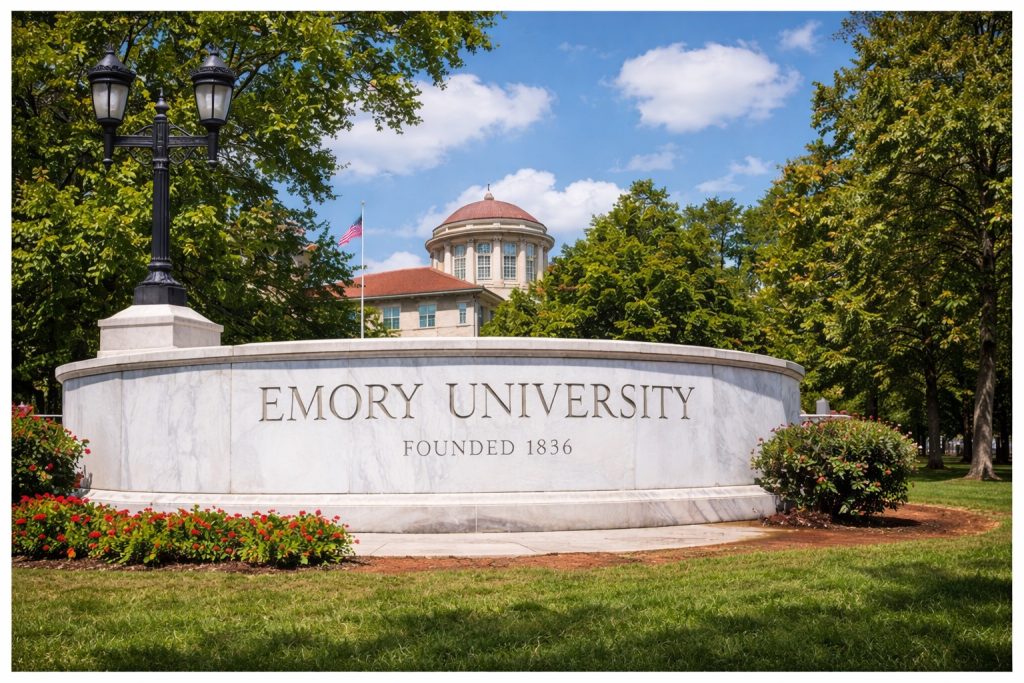
Emory University was founded in 1836 and, over nearly two centuries, has become one of the leading research universities in the United States. Today, Emory is primarily associated with its medical and scientific schools, as well as its close collaboration with the US Centers for Disease Control and Prevention (CDC).
The university actively participates in international research in health, epidemiology, psychology, and biomedicine. For example, Emory researchers have contributed to the development of programs to combat the Ebola virus and COVID-19.
Emory is particularly well-suited for applicants focused on academic careers, research, or work in international organizations and corporations.
| Degree of study | Bachelor's, Master's and PhD |
| Percentage of accepted students | 15–18%, depending on the faculty and program |
| Probability of employment after training | After graduation, more than 90% of students find a job or enroll in graduate school within the first six months |
| Scholarships | University scholarships, US government scholarships, foundation and organization programs are available |
| Directions | Medicine, public health, business, economics, psychology, political science, data science |
| Type | Private research university |
| Student building size | More than 40,000 students |
| % of international students | About 20% |
| Campus | Several large campuses with dormitories, clinics, laboratories |
The choice of Emory is often based on the balance between the quality of education, career opportunities, and student environment. The university is among the universities with one of the highest research funding per student. The university receives hundreds of millions of dollars annually in grants from the government, medical foundations, and private corporations.
Emory faculty publish in leading scientific journals and serve on international review boards, which also impacts the quality of education.
Atlanta is one of the largest economic centers in the United States. It is home to the headquarters of Coca-Cola, Delta Airlines, Home Depot, and CNN, as well as dozens of startup hubs and research centers.
For students, this means access to internships, part-time work, and professional contacts while still studying, significantly increasing their chances of successful employment after graduation.
Emory University’s tuition is high among private universities in the US. This is typical for universities of this caliber, especially those with strong medical and research schools.
Official tuition is approximately $58,000–$60,000 per year. However, the costs don’t end there. In addition to tuition, there are also costs for room and board, health insurance, course materials, and personal expenses. The total cost of one year can reach $75,000–$80,000.
It’s important to understand that when planning a budget, you need to consider not only tuition but also the “total cost of ownership.” For families, this means assessing their financial capabilities and potential sources of support in advance.
Financial aid is a key factor for international students considering admission to Emory University. Despite the high price tag, the university actively invests in attracting talented applicants.
What types of funding are available:

The university evaluates not only grades and test scores, but also the candidate’s overall value to the campus.
As experience shows, the following factors have the greatest impact on funding:
It is the combination of these factors that creates a competitive application.
Admission to Emory University is always a comprehensive assessment of a candidate’s profile. The university values a candidate’s development potential, but their academic profile must also be strong.
Consistently good grades are important, especially in core subjects. The complexity of the curriculum, participation in competitions, olympiads, and research projects are also taken into account.
International students require TOEFL or IELTS scores. SAT and ACT scores may be recommended, but testing policies change periodically, so it’s best to check requirements for each program individually.
The essay is one of the most critical elements of the application. It is here that the applicant explains their motivation, goals, and value to the university. Recommendations should be substantive and demonstrate the student’s real contribution, not mere generic statements.

Some programs may require an interview or portfolio, especially at the Master’s and PhD levels.
At this stage, the foundation of the profile is formed.
The active document preparation phase begins.
The final stage before submission.
Even strong applicants regularly receive rejections. Most often, the reason lies in strategy, or rather, the lack thereof. Key omissions include:
Each of these factors individually can reduce your chances, but together they almost guarantee rejection.
We work with admissions to top US universities using a proprietary methodology that relies on a detailed analysis of the student’s entire profile.
Our work includes:
Our goal is to create a strong, competitive candidate image that will stand out from hundreds of other applications.