Leave your contact information and our consultant will contact you.
Thank you! The data has been sent successfully.
Наш консультант скоро свяжется с вами
Free University of Amsterdam
Top 10 in the Netherlands
National ranking of the Netherlands
Top 100 in the world for teaching
Times Higher Education (THE)
Amsterdam, Netherlands
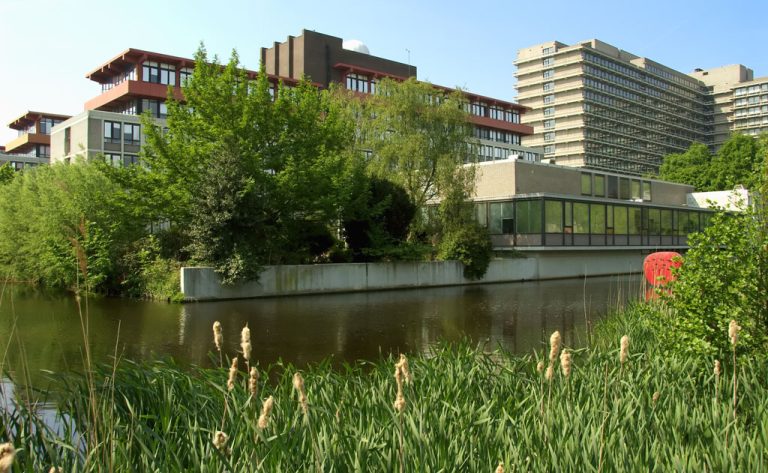
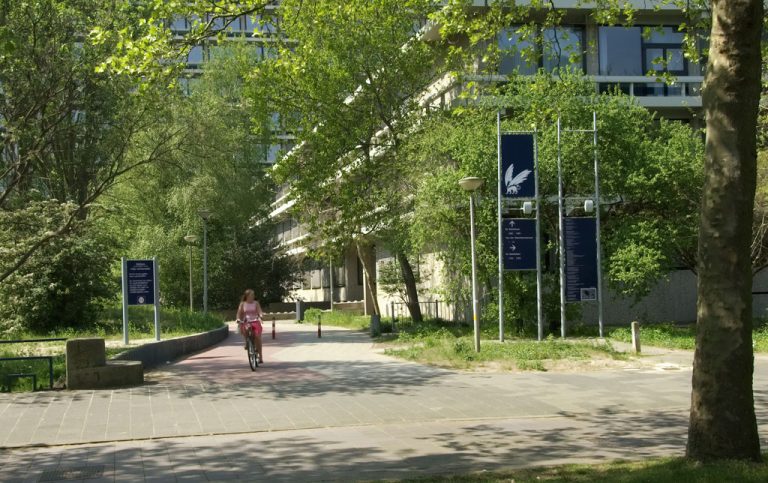
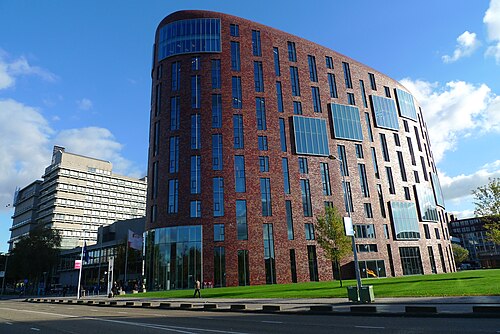
Vrije Universiteit Amsterdam, or VU Amsterdam for short, is one of the largest research universities in the Netherlands. VU Amsterdam offers dozens of English-taught programs at the undergraduate and graduate levels and is geared toward international students. The university is ideal for those seeking a European education while maintaining a more reasonable budget compared to the US or UK.
photos
What makes Erasmus University Rotterdam special?
Erasmus University Rotterdam is located in the Netherlands, in Rotterdam—Europe’s largest port and one of the region’s key economic centers. Founded in 1913, the university is now among Europe’s leading research universities.
EUR’s core competencies include economics, business, management, social sciences, medicine, and data science. The university actively participates in international research and collaborates with European institutions and major corporations.
Erasmus University Rotterdam is well suited for those considering an academic career, work in international companies, consulting, finance, analytics, and public policy.
Degree of study
Bachelor's, Master's and PhD
Percentage of accepted students
30-50%, depending on the faculty and program
Probability of employment after training
After graduation, more than 90% of students find a job or enroll in graduate school within the first six months
Scholarships
Partial/targeted (including for foreign students subject to funding conditions) are available
Directions
Economics and business, law, psychology, social sciences, natural sciences, medicine and healthcare
Type
Public research university
Student building size
More than 25,000 students
% of international students
About 25-40%
Campus
A modern university complex with academic buildings, libraries, laboratories, sports and student areas, as well as dormitories and cafes. Compact and convenient for students to study and live
Available programs
Bachelor's degreeMaster's degreeDoctoral studies
Специальности
Higher education abroad with an internationally recognized diploma. Study after high school with a choice of major, development of academic and practical skills, and the possibility of receiving a scholarship.
The second level of higher education for deepening knowledge or changing a professional direction. Suitable for bachelor’s graduates who want to improve career prospects and obtain an international diploma.
The highest academic degree for future scholars and researchers. A program focused on research work, publications, and collaboration with a scientific supervisor, often with full funding.
A creative and in-demand specialization with a global job market. Graduates work in digital industries, branding, IT, and media, often with remote work options and international projects.
Consistently among the most in-demand fields at international universities. An international diploma opens career opportunities in healthcare, business, education, and HR worldwide.
A field with stable demand and high prestige abroad. Opens pathways into international business, finance, consulting, and careers in major global corporations.
A creative and in-demand specialization with a global job market. Graduates work in digital industries, branding, IT, and media, often with remote work options and international projects.
Consistently among the most in-demand fields at international universities. An international diploma opens career opportunities in healthcare, business, education, and HR worldwide.
A field with stable demand and high prestige abroad. Opens pathways into international business, finance, consulting, and careers in major global corporations.
A creative and in-demand specialization with a global job market. Graduates work in digital industries, branding, IT, and media, often with remote work options and international projects.
Consistently among the most in-demand fields at international universities. An international diploma opens career opportunities in healthcare, business, education, and HR worldwide.
A field with stable demand and high prestige abroad. Opens pathways into international business, finance, consulting, and careers in major global corporations.
Vrije Universiteit Amsterdam (VU Amsterdam) is the largest university in the Netherlands
Vrije Universiteit Amsterdam was founded in 1880 and today ranks among the largest academic universities in the country. The university is located in the southern part of Amsterdam and has its own campus, home to faculties, research centers, libraries, and student infrastructure.
VU positions itself as an international research university. It actively develops programs in business, economics, social sciences, psychology, data science, medicine, and STEM disciplines. Most master’s programs are taught entirely in English, making VU particularly attractive to international students.
VU Amsterdam is suitable for those focused on academic development and careers in international companies, consulting, analytics, IT, or research organizations.
Why choose VU Amsterdam?
International environment and academic baseVU Amsterdam actively develops international programs and partnerships. The university has students from over 100 countries, and a significant portion of its faculty have experience working outside the Netherlands.
Strong areas and facultiesThe most popular programs at VU Amsterdam can be roughly divided into several clusters: business, economics and finance, data science and analytics, social sciences and international relations, psychology, and STEM fields, health and life sciences. These are the fields in which students most often choose VU as an alternative to more expensive English-language universities.
Career opportunities in the NetherlandsAmsterdam is one of Europe's largest business hubs. Google, Booking, Uber, Deloitte, Accenture, ING, ABN AMRO, and hundreds of startups have offices here. For students, this means access to internships, part-time work, and networking opportunities while still studying. It's important to keep in mind that successful employment depends not only on a degree but also on language proficiency, visa status, and the student's personal commitment.
Tuition fees at VU Amsterdam and the student budget
Cost is a key consideration for most applicants. The Netherlands is considered one of the most affordable countries in Europe in terms of price-quality ratio, but studying still requires financial planning.
A student’s annual budget at VU Amsterdam consists of two main components: tuition and living expenses. Mandatory items include:
program tuition fees
registration fees
rent
meals
health insurance
transportation
study materials and personal expenses
Even with a relatively moderate tuition, living expenses in Amsterdam are often the most expensive item on the budget.
How to apply to Vrije Universiteit Amsterdam: requirements and documents
Admission to Vrije Universiteit Amsterdam follows a standard Dutch process, but requirements vary greatly depending on the specific program. The university doesn’t use a single “template” for all programs, so it’s always important to check the requirements on the page of your chosen course.
In general, the admissions committee evaluates not only formal criteria but also how well the candidate’s profile matches the academic and career goals of the program:
Academic requirements
The application is based on previous grades and a suitable profile. For undergraduate programs, it is important that the school program is recognized in the Netherlands and matches the university's level of preparation. For master's programs, a key factor is the compatibility of the degree's subject area with the chosen program.
English level
Most programs at VU Amsterdam are taught in English. IELTS or TOEFL results are usually required to prove English proficiency, but alternative certificates are sometimes accepted. Admission requirements may vary, so it's always recommended to check the program's official website for up-to-date information.
Motivation letter, CV, recommendations, portfolio
A motivation letter plays a crucial role, especially for master's programs. It's important not only to state your desire to study in Europe, but also to demonstrate how a specific program at VU fits into your career plan. A CV should highlight relevant experience, internships, projects, and skills. Recommendations and a portfolio may be required for certain programs, particularly in business, psychology, and data science.
Deadlines and Applications: How to Avoid Wasting a Year
One of the most common mistakes is starting your preparation too late. In the Netherlands, many programs close several months before the start of studies, especially for non-EU students. The earlier you begin your preparation, the better your chances of not only being accepted but also receiving funding.
Scholarships and funding at VU Amsterdam
Despite relatively affordable tuition fees, funding remains a key issue for many students. VU Amsterdam offers several forms of support:
University scholarships
National Dutch grants
European programs
Private foundations and organizations
Most scholarships cover part of the tuition fees or provide a fixed amount for living expenses.
University scholarships
partial coverage of tuition fees or assistance with accommodation
National grants of the Netherlands
government support for foreign students
European programs
grants for studies or internships abroad, including Erasmus+
Private and corporate foundations/external grants
additional funding opportunities from corporate or charitable foundations
Step-by-step plan for preparing for admission
Preparing for VU Amsterdam is not a one-time application process, but a step-by-step process:
12–18 months: strategy, program selection, profile strengthening
At this stage, the foundation of the future application is formed:
defining goals and priority areas
selecting programs and universities
participation in projects and internships
development of an academic and professional profile
6–9 months: tests, draft documents, list of scholarships
The active phase begins:
IELTS/TOEFL preparation
writing initial versions of motivation letters
CV preparation
gathering information about scholarships
1–3 months: final submission
Final stage:
Proofreading all documents
Checking requirements for each program
Submitting applications
Deadline monitoring
Interviews and additional materials
Some programs may require an interview or portfolio, especially at the Master’s and PhD levels.
Common reasons for refusal and how to avoid them
Even strong candidates are regularly rejected. The reasons are usually similar and consistent, for example:
incorrectly chosen program and profile mismatch
weak motivation without specific goals
lack of proven achievements
late start of preparation
errors in documents and formalities
lack of a funding strategy
confusion between VU and UvA
Each of these issues can be corrected with an early start and proper support.
How SelfStartGlobal helps you get into VU Amsterdam
We assist with admission to European, American, and Asian universities using a proprietary methodology. Our experts begin working with students by assessing their profile, then develop an admissions strategy, help them select programs, strengthen their profile through projects, and help them prepare their application documents correctly.
Our work includes:
analysis of the candidate’s strengths and weaknesses
selection of programs based on goals and budget
preparation of motivation letters and CVs
financing strategy
support until the desired outcome
The primary focus is on building a strong, competitive image for the candidate.
services
cases
Student Reviews
DiоraСША
I didn’t know what I wanted to study for, and I was given an appointment with a career guidance counselor. We chose medicine, which I am very happy about.
Video review of Diora
AnastasiaUSA
If you are in doubt about where to go, worried that it won’t work out, then what are you waiting for? Come for a consultation with an expert.
Video review by Anastasia
EgorUSA
There are many companies on the market that help with studying abroad, but no one does it as comprehensively as SelfStart
Review by Egor
KseniaGermany
Now a new best life is beginning, full of victories and adventures. This is absolute happiness, and I wish it to everyone
Video review from Ksenia
KseniaUSAI am currently in 11th grade at a school in Kyiv, but I have already been admitted to a U.S. bachelor’s program and received a 100% scholarship.
Feedback from Ksenia
LeilaUSA
The main thing is the match with the university. I didn’t look at rankings, but at how well the university fit my profile and goals
Review by Leila
ElinaUSA
I liked that the company focuses on developing a personal brand, as this is important for admission to the USA.
Elina's video review
ЛеонидUSA
I was looking for information on how to apply to a university and came across many webinars. One of them was hosted by Radmila
Video review by Leonid
ИгорьEurope
With SelfStartGlobal support, you will always know: what to do, why to do it and when to do it. This saves a lot of time.
Video review by Igor
Сабрина Германия
We started preparing a year in advance, and this was not enough. To have a good profile, you need to spend several years being active.
Sabrina's video review
СофьяСША
I liked that we had constant contact with Ksenia (curator). I needed clear deadlines - I myself would start to grab onto everything at once.
Video review from Sofia
АлевтинаВеликобритания
I liked that the connection was constant. I received answers to all my questions within a day and even faster.
Video review by Alevtina
ДарьяНидерланды
At the beginning of my journey, the admission process seemed somewhat complicated, but with my mentor, I received a clear plan that helped me get closer to my goals.
Video review from Daria
Дарья США
I entered a top university thanks to the correct presentation of me in a motivational essay, CV, and letters of recommendation.
Video review from Daria
АленаСША
I already had an unsuccessful experience of entering the USA - then it turned out that just good grades are not enough. Now I decided to work with the team.
Alena's video review
СергейСША
To enter American universities in my specialty, good grades (which, by the way, I didn’t have) are not enough; achievements are also needed. Lisa and other curators helped complete the profile.
Video review by Sergei
Алина США
«It took me a while to realize I'd been accepted. It was an unforgettable experience, one I wish everyone who dreams of studying abroad could experience»
Alina's video review
ЛазизбекСША
«Don't waste your time choosing an admissions company; I've done it for you. Just contact SelfStartGlobal – they'll help you»
Video review by Lazizbek
НатальяСША
«At first, the university refused me a scholarship, but my supervisor helped me write a letter, after which I received a 100% scholarship»
Video review by Natalia
ЛилияИталия
«Among all the companies in the admissions market, SelfStartGlobal places an emphasis on distinguishing students from other candidates»
Video review by Lilia
Related articles
Study Abroad: How to Apply and What to Expect After GraduationМечтаешь учиться за границей, но в голове множество вопросов и сомнений? Разбираем, как поступить в иностранный вуз, с чем предстоит столкнуться во время учебы и что ждет после.
Top 7 Universities in the World: How to Enter a Prestigious UniversityТоповые университеты мира — мечта или переоцененный миф? Рассказываем, как поступить в престижный вуз, что на самом деле дают громкие имена, и стоит ли гнаться за рейтингами любой ценой.
What documents are needed to study abroad and how to prepare themМечта об учебе за границей может разбиться о бумажную волокиту — если не знать "правила игры". В статье разбираем, какие документы действительно нужны, и на что обращают внимание приемные комиссии зарубежных вузов.
TOEFL or IELTS: which one to choose for studying abroad?We compare the TOEFL and IELTS exams to help students choose which test is best suited for studying abroad. We examine the key differences in format, scoring system, and international recognition of the exams.
How can I stay and work abroad after completing my studies?How to stay and work abroad after graduation: visa options and pathways, as well as practical steps to start a career overseas.
How much does it cost to study abroad in 2026?Studying abroad in 2026 involves various costs, from tuition fees to living expenses. Understanding these costs helps students plan their budget more effectively.
Education abroad: popular countries 2026Find out the most in-demand countries to study abroad in 2026. We look at the benefits, programs and opportunities that attract students from all over the world.







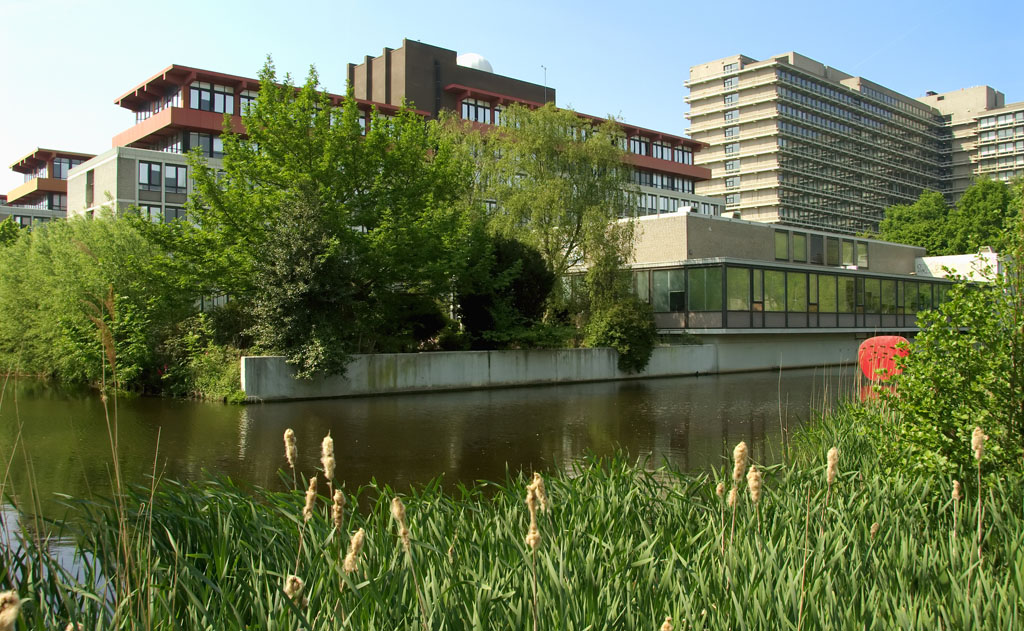
 Amsterdam, Netherlands
 Vrije Universiteit Amsterdam, or VU Amsterdam for short, is one of the largest research universities in the Netherlands. VU Amsterdam offers dozens of English-taught programs at the undergraduate and graduate levels and is geared toward international students. The university is ideal for those seeking a European education while maintaining a more reasonable budget compared to the US or UK.