




How different STEM tracks change the application logic

Author: Svitlana Tysiachna Operational Leader | STEM Workforce Systems Expert
Svitlana Tysiachna is an operational leader and STEM Workforce Systems Expert with 15+ years of experience across manufacturing, engineering, IT, education services, and technology-driven projects related to emotional intelligence assessment and digital service delivery.

Once a student has identified their general STEM focus, the next step is figuring out how to present that choice effectively in the application. In STEM, it’s not enough to express a broad interest in technology, science, or engineering. Different tracks require different academic foundations, different evidence of readiness, and a different emphasis across application materials.

This is where many applications fall short. A student may have chosen the right field but presented it too broadly — and as a result, the strongest parts of their profile never quite connect to the track they’re pursuing.
Computer Science: demonstrating technical thinking

If a student is applying to computer science programs, the application needs to show more than a general interest in IT — it needs to demonstrate readiness for technical and algorithmic work. Computer science is about programming, logic, data structures, mathematics, and the ability to build solutions to technical problems.

For this track, generic statements about loving technology won’t carry much weight. What works is concrete evidence: programming courses, coding projects, self-directed learning, participation in technical competitions, and hands-on experience building applications, websites, software tools, or other working prototypes.

The goal of the application is to show that the student doesn’t just use technology — they understand how it’s built.

Data Analytics: demonstrating analytical thinking and insight

For students pursuing data analytics, the emphasis needs to shift. The application should highlight a strong math foundation, statistical thinking, and the ability to work with information — identifying patterns, interpreting results, and drawing meaningful conclusions.

This kind of profile is best supported by data projects, spreadsheet work, data visualization, research assignments, analysis of metrics, or any task where the student didn’t just collect information but actually processed it and explained what it meant.

For this track, the application needs to show that the student doesn’t just know how to use a tool — they understand what the numbers are telling them: what problem they’re analyzing, what data they’re working with, and what conclusion they’re drawing from it.

Cybersecurity: demonstrating systems thinking and risk awareness

Cybersecurity demands more than a technical interest — it requires a particular way of thinking. What matters here is systems thinking, attention to detail, an understanding of risk, and a genuine interest in digital infrastructure, networks, data protection, and technical resilience.

For this track, the application needs to show that the student isn’t simply interested in “working with computers” — they want to understand where a system can be compromised, how to protect information, and why technical details matter.

This kind of profile is supported by technical coursework, security-related projects, and demonstrated interest in networks, systems, and defensive logic — as well as any work that required precision and a careful, methodical approach to problem-solving.

Engineering: demonstrating applied thinking

Engineering applications call for a different kind of presentation. It’s not enough to show strong academic performance — the application needs to demonstrate an ability to apply knowledge to real problems: designing, testing, improving, calculating, and analyzing how systems or technical processes work.

For engineering, physics, mathematics, and project work form the foundation — alongside lab experience and a clear interest in a specific applied area, whether that’s mechanical engineering, energy systems, automation, robotics, biomedical technology, environmental systems, or another field.

The application should show that the student isn’t just interested in learning theory — they want to understand how knowledge becomes a working solution.

Biotechnology and Natural Sciences: demonstrating research thinking

For students pursuing biotechnology, biology, chemistry, environmental science, or any other natural science field, the application needs to convey genuine research interest. A strong academic foundation matters — but so does a demonstrated willingness to engage with observations, methods, hypotheses, lab-based reasoning, and the analysis of results.

This kind of profile is supported by relevant coursework, lab work, research projects, involvement in scientific studies, and a clear interest in a specific area — whether that’s biology, chemistry, ecology, medicine, sustainability, or another scientific field.

For this track, the application needs to show that the student understands not just what interests them, but how scientific work is structured: a question, a method, an observation, an analysis, a conclusion.

Information Systems and Applied Technology: demonstrating the connection between technology and real-world processes

Not every student interested in technology is the right fit for a deep computer science track. For some, a more natural direction is information systems, applied technology, digital products, or technology management.

This track suits students who are interested not just in programming, but in how technology functions in real-world environments — in business, education, healthcare, manufacturing, services, or operational management.

The application should highlight systems thinking, an interest in digital solutions, an understanding of processes, and hands-on experience working with data, user-facing challenges, or projects where technology was applied to solve a specific, practical problem.

Why this matters for the application

Different STEM tracks require different approaches to presentation. The same strong profile needs to be framed differently depending on the direction a student is pursuing. For computer science, the application needs to demonstrate technical thinking and readiness for programming. For data analytics, the emphasis shifts to mathematics, analytical ability, and working with information.

For engineering, what matters is applied problem-solving, physics, project work, and an interest in systems. For the natural sciences, the focus should be on research thinking and a solid subject-area foundation.

A strong STEM application isn’t built around a general interest in technology or science — it’s built around a precise match between the chosen track, the student’s academic background, their projects, their skills, and the specific programs they’re applying to.

Takeaway

The goal at this stage isn’t simply to name a STEM field — it’s to show why that particular track is the right fit for this student.

Once the logic of the track is clear, everything else follows: which subjects to highlight, which projects to describe, which skills to emphasize, and what the letters of recommendation need to confirm.

This approach makes the application sharper and more compelling — the student comes across not as an applicant with a general interest in STEM, but as a candidate with a clear and well-grounded academic direction.

Universities

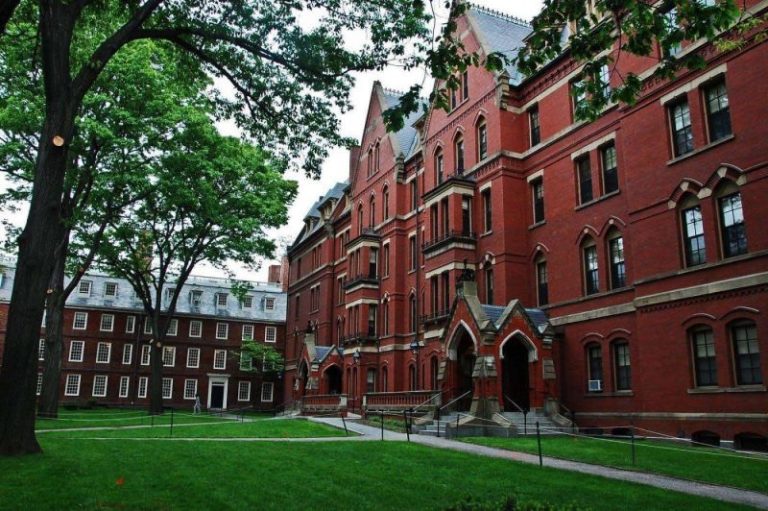
Harvard University
USA
A private research university in the United States, founded in 1636. Considered one of the most prestigious universities in the world, it is known for its strong programs in law, business, medicine, engineering, and social sciences, its high student selection rate, and its robust financial aid system.
Bachelor's degree: $80,000 – $87,000 per yearMaster's degree: $62,000 - $70,000 per yearDoctoral studies: from $30,000 - $60,000 per year
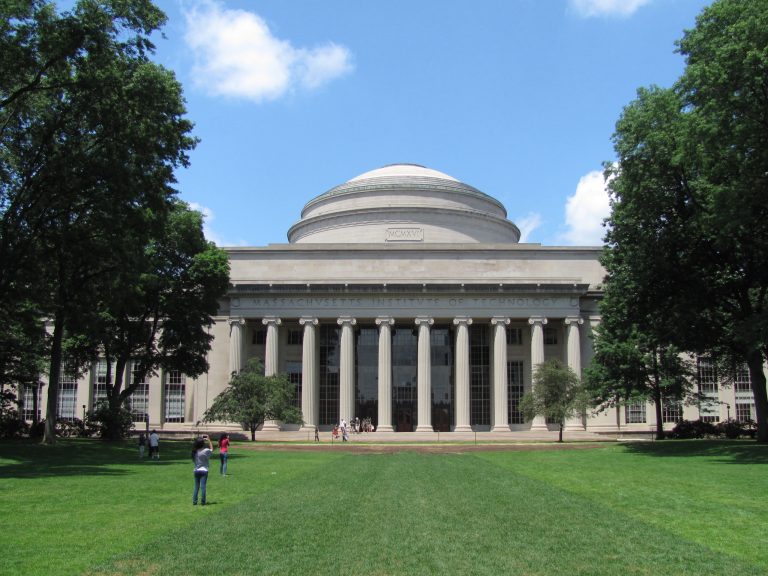
Massachusetts Institute of Technology
USA
The Massachusetts Institute of Technology is a leading private research university in the United States, located in Cambridge, near Boston. MIT is a global leader in engineering, computer science, artificial intelligence, economics, and fundamental science. The university is known for its strong focus on practice, scientific research, startups, and technological innovation.
Undergraduate: £24,000 – £40,000 per yearMaster's: £23,000 – £40,000+ per yearPhD: £28,150 – £32,600 per year
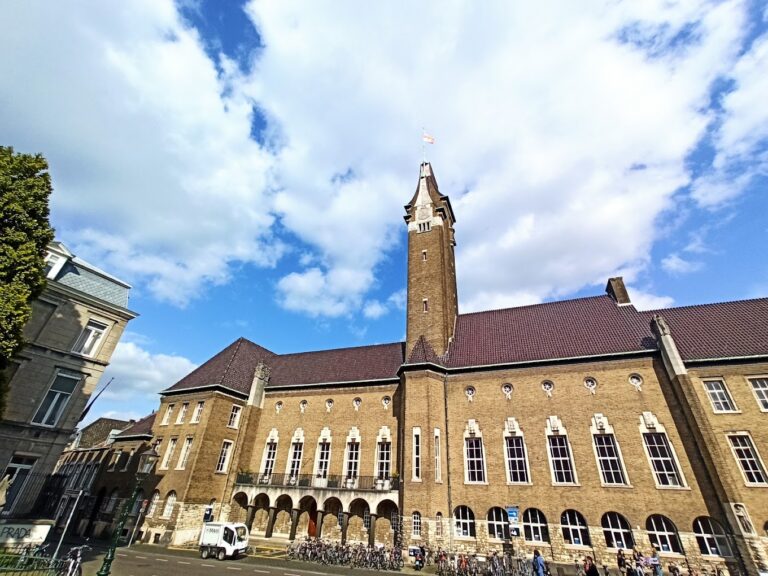
Maastricht University
Netherlands
A modern university in the Netherlands, known for its innovative Problem-Based Learning (PBL) approach. Popular among international students, especially in business, economics, law, and healthcare
Bachelor's degree: from €9,000 to €15,000 per yearMaster's degree: from €10,000 to €18,000 per yearDoctorate: free or about €2,500 per year
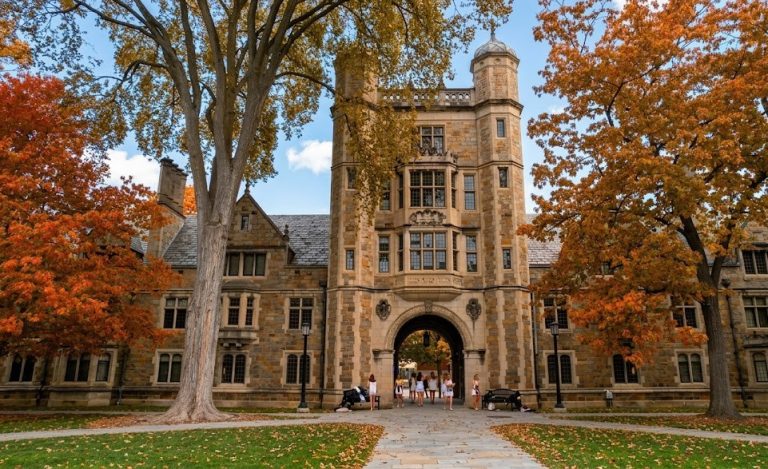
University of Michigan
USA
The University of Michigan at Ann Arbor is the "Michigan" people usually think of when they think of one of the strongest public universities in the United States.
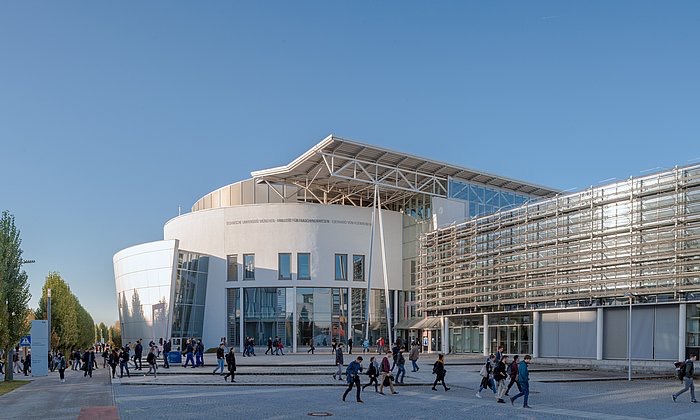
Technical University of Munich
Germany
The Technical University of Munich (TUM) is Germany's leading public technical university in Munich, known for its strong programs in engineering, computer and natural sciences, high level of research and excellent graduate employability opportunities.
Bachelor's degree: semester fee €85 – €100Master's degree: semester fee €85 – €100PhD: semester fee €85 – €100
Подобрать университет

Countries

France
France leads non-English-speaking countries in terms of the number of international students. French universities are renowned for their high academic standards, and degrees are valued worldwide, opening up broad career prospects. Scholarships are available, and the combination of European-quality education and a rich cultural environment makes France particularly attractive to prospective students.
Read more ➜
Germany
One of the most popular study destinations in Europe. Free or low-cost education, strong technical and engineering fields, and high demand for graduates
Read more ➜
Portugal
Portugal combines a rich history, picturesque landscapes, and a high standard of living, making it increasingly popular among international students. Local universities offer high-quality and affordable education, and close cooperation with the UK opens up opportunities for dual degrees. Studying in Portugal offers European standards at a reasonable cost and a comfortable environment for living and studying.
Read more ➜
Spain
Education in a friendly European student environment. Promising English-taught programs and strong fields in business, tourism, and design
Read more ➜
UAE
Modern education in an international environment. Campuses of leading global universities, English-taught programs, and a strong focus on careers and business
Read more ➜
USA
A US education offers prestige and limitless opportunities. American degrees are highly valued worldwide, and graduates from leading universities are eagerly sought after by international companies. US universities consistently occupy top positions in global rankings. Studying here opens the door to a global career and a unique student experience.
Read more ➜
Выбрать страну

Our services

MentoringA personal mentor at every stage of preparation. A clear plan, oversight of every step, and predictable results.
Full supportA turnkey international application process: a customized strategy, document preparation, and visa support—all in one service, guaranteeing you admission to a university abroad.
Personal brand in a yearIn 12 months, we'll build your strong personal brand for international study: we'll formulate a strategy, select activities, and identify achievements that will increase your chances of admission and scholarship awards.
Selection of activities for Personal brandA personal brand is the foundation for applying for a scholarship. Get a list of activities that will enhance your profile and distinguish you from other applicants.
Universal supportAccelerated preparation for admission: save money and time without compromising results.
Consultation with an expertAn in-depth 60-minute consultation: we'll discuss your admissions chances, financing options, develop a personalized strategy, and answer all your questions.
Consultation with a career guidance specialistWe'll help you identify your strengths and inclinations, choose the right field of study, and build a successful career.
Getting a student visa from the USAWe'll help you obtain a student visa without stress or errors, and we'll also assist you if your application is rejected.
Selection of universities and scholarshipsWe'll create a list of universities and programs that are right for you—with a realistic chance of admission and scholarships.
Admission to Foundation Programme AbroadWe'll help you enroll in the Foundation Program, a program that allows you to transfer to a bachelor's degree abroad without losing a year. We'll select suitable options, prepare your documents, and develop a strategy.
Preparation of documentationStrong documents make a strong candidate. We'll help you prepare your application package based on both formal and informal university requirements.

Related articles