Climate
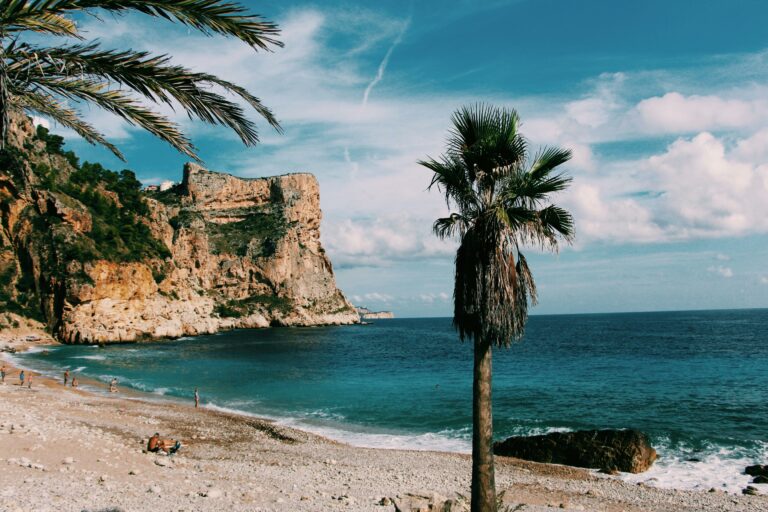
The country has a mild Mediterranean climate with warm summers and mild winters. The north is cooler and more humid, the center has a continental climate, and the south and coast are sunny almost all year round.
Culture
Spain is renowned for its rich cultural heritage, from flamenco and bullfighting to Gaudi architecture and world-class museums. It is a country that respects traditions, loves fiestas and values art in all its forms.
Economy
Spain is the 5th largest economy in the EU. The main industries are tourism, agriculture, automotive and renewable energy. The country is actively developing and remains attractive for investment and startups.
49 millionpopulation of the country
5largest economy in the EU
5-6%percentage of international students
91universities in the country
€ 22+ millionannual investment in science
Features of education
Spanish universities are known for the quality of their programs and scientific research. The main goal of education is to fully prepare graduates for employment, so special attention is paid to practice. In Spain, professional education can be obtained at universities and specialized institutions (colleges) – Centros integrados de formación profesional.
Duration of training
Grado (bachelor's degree)4 years (medicine and architecture – 5-6 years)
Máster (Master's degree)1-2 years, you can enter after a bachelor’s degree
Doctorado (Doctoral studies)3 years, you can enter after a master’s degree
Prospects for International Students
Thousands of foreigners are eager to enroll in Madrid, Barcelona and other major cities in Spain. What makes education in this country so attractive?
Why is it worth going to Spain?
The official language is Spanish, but there are also over 1,500 programs in English. Knowledge of Spanish is a big plus, but not a requirement for admission.
The cost of education and living is low compared to other European countries, there are scholarships and grants.
Spain is located on the Iberian Peninsula and has access to the Mediterranean Sea, making it easy for students to travel around Europe.
The training is practice-oriented; graduates are fully prepared for employment after receiving their diplomas.
This is one of the safest countries, which pleases both students and parents who are sending their recent schoolchildren off into adulthood.
Outside of studies, students can expect an equally rich life. Spain has many options for organizing leisure: museums, theaters, exhibitions, student events. Just walking along the streets with beautiful historical architecture is a wonderful activity.
How to apply to Spain
You can enroll in a bachelor’s degree program right after completing 11 grades. There are preparatory programs, but they are not mandatory. The general requirements for enrollment in a bachelor’s degree program are as follows:

DocumentsForeigners must provide a certificate that corresponds to the Spanish Bachillerato (secondary education). The procedure for legalizing the certificate is called homologation and takes from 2 to 6 months. A resume, motivation essay and other documents will also be required. The exact list depends on the university and program.

Language requirementsKnowledge of Spanish is only required for admission to programs taught in Spanish. It is confirmed by the DELE exam (Diploma de Español como Lengua Extranjera). For programs in English, an IELTS or TOEFL certificate is required.

Entrance exams (not always)State universities often require the Selectividad exam (EBAU/UNEDasiss) – especially if you are applying for the first year. Citizens of the EU and some other countries (including those with the International Baccalaureate IB) may be exempt from some of the exams.

VisaForeigners must obtain a student visa (Visado de estudiante) type D before arrival. Proof of admission, health insurance and financial means are required.
Want to know what actually fits you?
Leave your contacts — a consultant will review your profile and map out the shortest path to admission

Cost of education
The cost of education for foreign students in Spain depends on the type of educational institution, program and language of instruction.
Approximate prices:
At public universities:
- Bachelor’s degree — from €600 to €1,200 per year.
- Master’s degree — from €800 to €1,800 per year.
- Doctoral degree — from €1,000 to €2,500 per year.
At private universities:
- Bachelor’s degree — from €3,000 to €6,000 per year.
- Master’s degree — from €4,000 to €8,000 per year.
- Doctoral degree — from €5,000 to €10,000 per year.
The cost of programs taught in English is slightly higher — from €2,000 to €8,000 per year.
You can significantly reduce or even completely cover your tuition and even living expenses with the help of funding. Universities provide scholarships to both local and international students. The main thing is to know how to get them.
Scholarships for foreigners
Spain is generous with scholarships for international students. To receive funding, you need to choose the right type of scholarship and prove that you meet the eligibility requirements.
Types of scholarships
Becas MAEC-AECIDFor undergraduate, graduate, postgraduate and summer language courses.
Intended for citizens of Latin American, African, Asian and Eastern European countries. Covers tuition, accommodation and sometimes flights.
La Caixa Foundation ScholarshipsFor masters and postgraduate students. One of the most prestigious private programs, finances tuition, accommodation, flights, insurance.
Erasmus+ (if you are an EU student or exchange student)Supports training, practice and mobility. Covers part of the costs (housing, food, transport).
University scholarshipsUniversidad de Barcelona, Universidad Autónoma de Madrid, Pompeu Fabra, etc. These are scholarships for academic merit or financial need.
Often cover 25-100% of tuition fees and sometimes housing.
Santander ScholarshipsPartially finances training or internships. Many programs – for Latin America, Europe and Asia.
Exchange and cooperation programsFor example, for students from the CIS countries – through bilateral agreements between universities.
The unique algorithm of our work is aimed at obtaining a decent scholarship that covers from 50 to 100% of the cost of education. In total, we have saved our students more than $21+ million due to scholarships. Do you want to study in Spain for free or almost for free? Then come for a consultation.
Accommodation and adaptation
Spain is a hospitable country with a friendly and open population. Spanish is not the most difficult language to learn, and the local culture is rich and amazing. All this makes adaptation in the country smooth and exciting. Sometimes students still face difficulties and stress. In this case, you can seek help from a psychologist at the university, ask for support from relatives and friends.
Do not give up entertainment and active leisure, communicating with locals is useful both for quick adaptation and for learning the language. Practice shows that adaptation lasts 3-4, maximum 6 months. This time is enough to fit into a new environment.
Accommodation options
Student Residence (residencia de estudiantes)Comfortable and safe accommodation close to campus. There are options with or without meals, single and double rooms. Cultural activities and infrastructure (laundry, gym) are often offered
Cost: from €400 to €1000 per month (depending on the city and level of comfort).
Renting a room in an apartment (piso compartido)The most popular option among students, when rent is shared with other students (Spanish or foreign).
Cost: from €250 to €500 per month (depending on the city and area).
Rent a flatSuitable for Masters, PhD or those who want more personal space.
Cost: from €600 to €1200 per month, especially in Barcelona and Madrid, + utilities.
Family (acogida en familia)Living with a Spanish family is a unique opportunity to immerse yourself in the language and culture. But this option involves a limitation of personal space.
Cost: from €400 to €800 per month (depending on the city and conditions).
Education in Spain is more than just a diploma. It is a start for a global career. You can build a career in Spain, continue your journey anywhere in the world, or apply your knowledge in your home country. And most importantly, studying in Spain is affordable: scholarships help cover most of the costs.
Take the first step towards your dream – sign up for a consultation and find out how to enroll in a Spanish university with financial support.







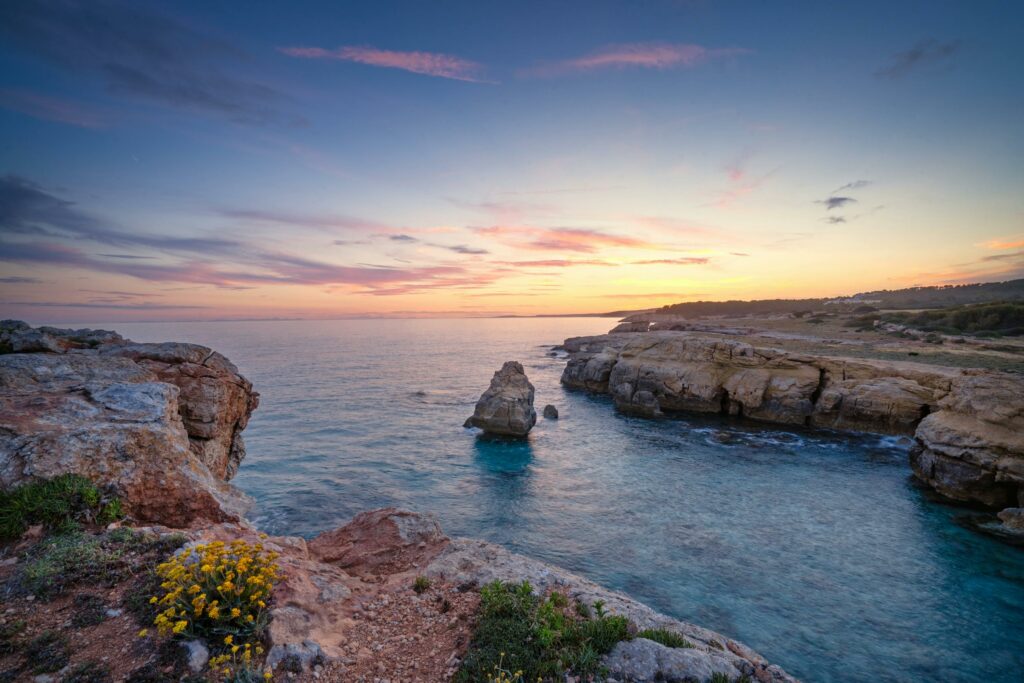


 Top 7 Universities in the World: How to Enter a Prestigious University