












Why STEM Applications Should Start with Choosing a Career Direction
Время чтения:
0 мин
0 мин


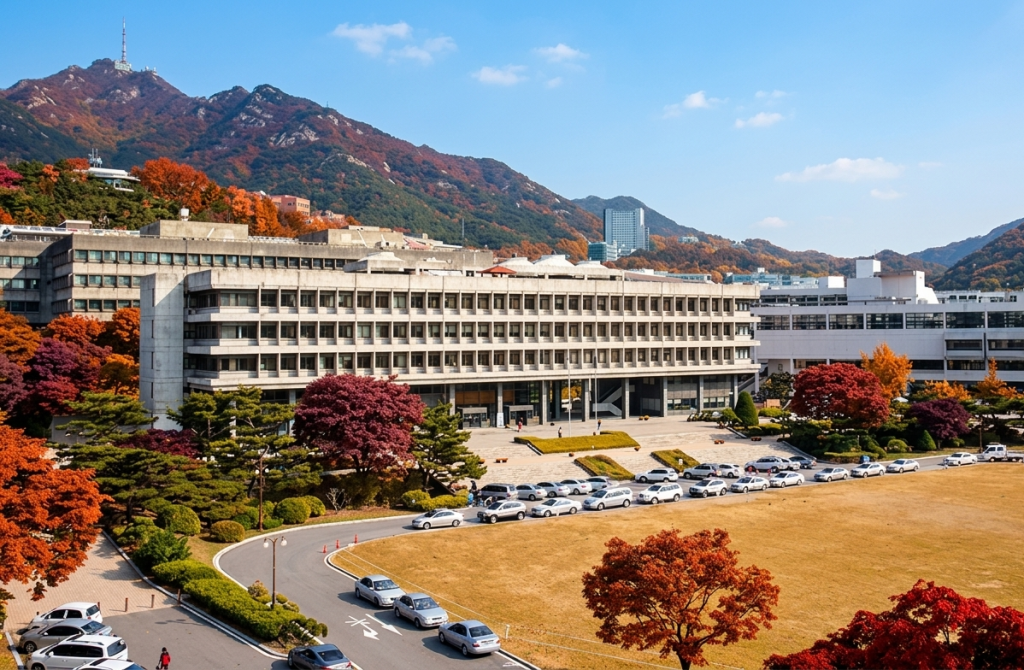
 Seoul, South Korea
 Seoul National University is South Korea's leading national university, founded in 1946 by the merger of ten educational institutions in Seoul. It is part of the unofficial SKY trio, along with Korea University and Yonsei University. It attracts international students with strong programs in engineering, computer science, natural sciences, pharmacy, and international studies.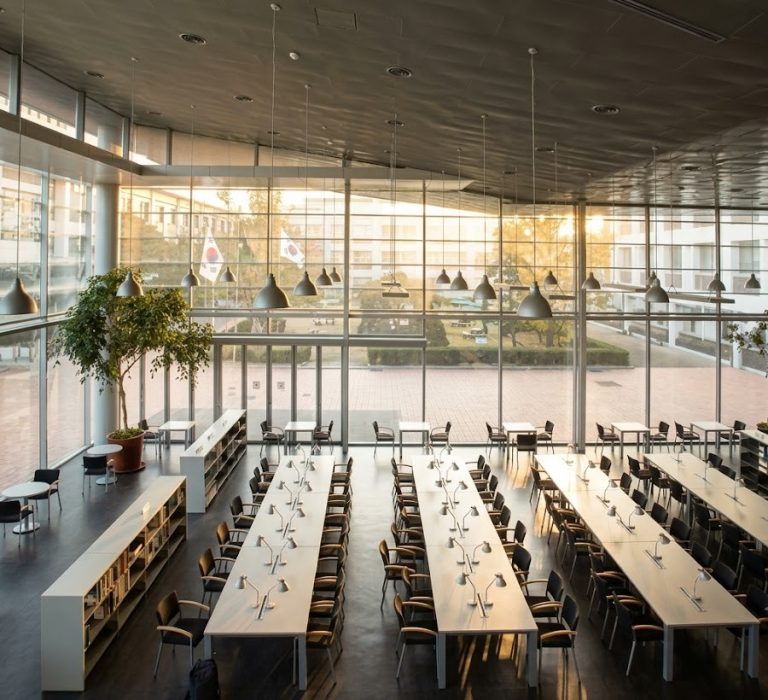
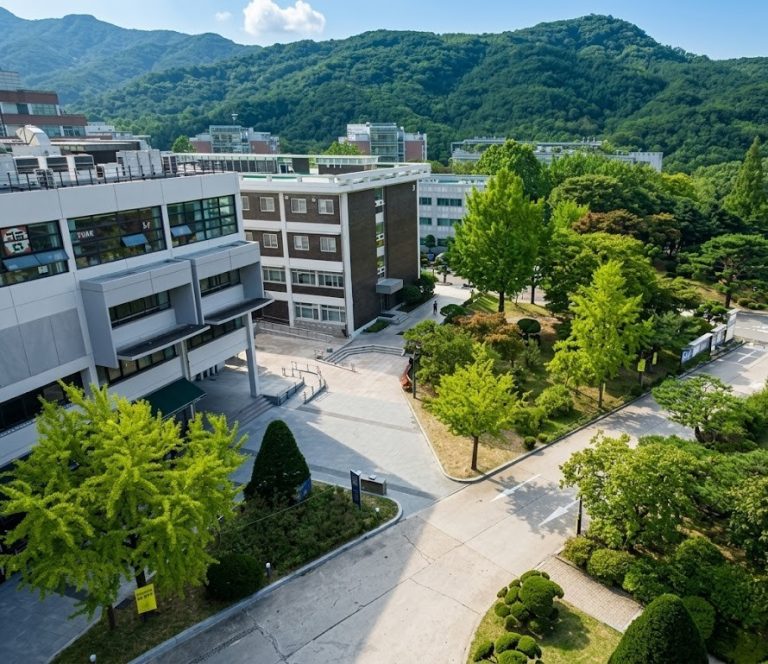
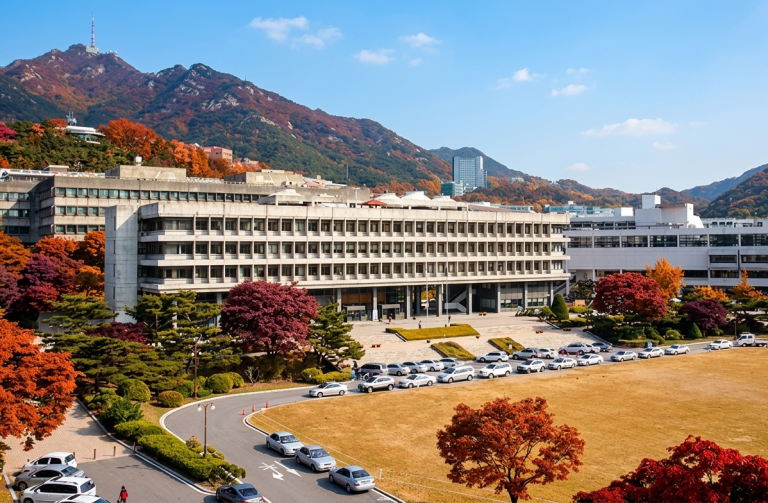
Seoul National University is the first national university in South Korea, founded in 1946. The main campus is located in the Gwanak district of southern Seoul, and additional campuses are located in Daehan-no (medical) and Pyeongchang-no (agricultural).
SNU is traditionally considered the “pinnacle” of the Korean higher education system: according to an international study by Mines ParisTech, the university ranks 10th in the world in terms of the number of graduates who have become CEOs of Fortune 500 companies, a rare achievement even among top global universities.
SNU’s alumni include former UN Secretary-General Ban Ki-moon and several presidents of the Republic of Korea, reflecting the university’s status as a breeding ground for public and international service.
| Degree of study | bachelor's degree, master's degree, doctoral degree, professional postgraduate studies |
| Scholarships | Global Korea Scholarship (GKS), Glo-Harmony, SNU Global Scholarship |
| Directions | engineering, computer science, natural sciences, pharmaceuticals, social sciences, medicine, law, and art |
| Type | National (State) University |
| Size of the student campus | about 28,000–29,000 students |
| Location | Gwanak District, Seoul |
| Languages of instruction | Korean (main) and English — about 10-20% of courses are taught in English |
| % of English-language courses by faculties | the largest share is in engineering and business |

The programs are of interest to students who are planning a career in software development, computer systems, electronics, data analysis, artificial intelligence, and research. SNU ranks first in South Korea in terms of the number of scientific publications in the field of computer science.
For students interested in biology, chemistry, and pharmaceutical sciences, SNU offers departments of natural sciences, medicine, pharmacy, veterinary medicine, and nursing. When studying pharmacy, it is important to check the current list of programs and admission requirements for international students in advance.
For students interested in economics, political science, public administration, business, and international studies, there are relevant bachelor’s degree programs, and at the postgraduate level, there are separate professional postgraduate programs in public administration and international studies.
The university also offers programs in the humanities, education, fine arts, music, and a number of interdisciplinary fields.
To apply to SNU as a foreigner, you need to understand several parallel processes: bachelor’s, master’s, postgraduate, professional postgraduate, or admission through a government scholarship are different procedures with different requirements and deadlines.
The first step is to determine the level of study, check the requirements of the specific program, the language of instruction, and the deadlines and format for submitting documents.
The academic year at SNU begins in the spring, but international admission is available for both semesters, spring and fall. Separate materials for undergraduate and graduate students are published on the university’s website for each admission. The exact dates should be checked for each admission separately.
The basic package includes an application form, academic documents, graduation certificate, passport information, language test results, a motivation letter or curriculum, and recommendation letters. Some programs may require a portfolio or additional materials.
The language requirements depend on the program and the level of study. Some programs are taught in English (IELTS or TOEFL is required), while others are taught in Korean (TOPIK is required). The specific requirements should be checked in the admission guide for the chosen program.
Admission to SNU differs from the procedures familiar to CIS applicants: international recruitment follows a separate track from the domestic Korean competition, and the assessment is based on a combination of academic documents, language certificates, and a motivation letter or curriculum.
SNU offers several scholarship tracks for international students, depending on their level of study.

The Korean Government Scholarship (GKS) may provide full tuition waivers for eight semesters and monthly living allowance. The competition is high, and the conditions must be checked against the requirements of the government agency NIIED and the Study in Korea resource.
The Glo-Harmony Scholarship is available to international students from countries on the Official Development Assistance (DAC) list and may include full tuition waivers and monthly stipends.
A separate SNU Global Scholarship program may include tuition fees, living expenses, and flight costs. The specific amounts depend on the program and the selection criteria.
A separate funding path that is not automatically linked to admission to SNU. You need to check whether the selected program is included in the specific set, what the conditions are for the specific country, and what the deadlines are for submission.
SNU provides student housing through Gwanak Residence Halls, the university’s largest student residence complex, accommodating over 5,970-6,000 students from over 80 countries. The complex is located at the back gate of the campus in the Gwanak area and consists of 27 buildings.
SNU graduates have one of the strongest positions in the Korean and international job market: the university ranks 10th in the world in terms of the number of CEOs of Fortune 500 companies (according to a study by Mines ParisTech).
Top Korean employers, such as Samsung, LG, Hyundai, and SK Group, regularly hire SNU graduates directly from campus, reflecting the university’s strong industry connections.
After graduation, international graduates have several visa options to pursue their careers in Korea. The D-10 visa is designed for job search after graduation. From 2026, undergraduate graduates with a TOPIK level of 4 or higher who graduated in the last 3 years can obtain this visa through a simplified procedure.
A separate path is the K-Star visa, which is focused on science and technology professionals and is particularly relevant for graduates of SNU’s engineering and science programs.

Seoul National University was founded in 1946 by the merger of ten educational institutions in Seoul, and it is the first comprehensive national university in modern South Korea.
Former UN Secretary-General Ban Ki-moon and several presidents of the Republic of Korea are among the university’s alumni, reflecting SNU’s traditional role as a training ground for public service and international diplomacy.
SNU ranks 10th in the world in terms of the number of graduates who became CEOs of Fortune 500 companies, according to a study by Mines ParisTech, which is one of the highest rates among Asian universities.
The main campus in Gwanaq covers an area of approximately 8.74 square kilometers, making it one of the largest university campuses in Asia. It includes academic buildings, research centers, and a student town on a single campus.
Gwanak Residence Halls is home to students from over 80 countries, making it one of the most diverse student towns in South Korea.


She enrolled in Fashion PR programs at five US universities

She was admitted to three American universities at once: Augustana College, Widener University, and the University of South Dakota. She chose Augustana College, where she received a scholarship of $45,000 per year.

He entered a master’s program in the USA at two universities at once – Brandeis University and Washington University in St. Louis, receiving scholarships totaling $80,000. He chose Brandeis University and went to study on the first try.

I was accepted to the PhD program at Columbia University on my first try, having strengthened my profile and compiled my achievements into a strong application.

She entered graduate school at Kent State University and Ohio University. At Ohio University, she won a Graduate Teaching Assistantship with full funding of $37,774, covering tuition, insurance, and living expenses.

She enrolled in graphic design at universities in France, Italy and Hungary. She received scholarships at all of them and chose the university with the maximum funding — $135,000 for the entire period of study.

He entered Siena Heights University (USA) for the Theater and Music program with a full scholarship of $170,000. Preparation took less than a year.

Got accepted to NYU Abu Dhabi on the first try (acceptance rate 4%) with a scholarship of $217,000. Also received offers from Lynn and Drexel University.