

 Culture
 Economy
 Climate
~52 millionpopulation size
more than 160,000foreign students
~430number of universities
2 in the worldthe country's economy by GDP
~2,8%unemployment rate


 CultureEconomyClimate
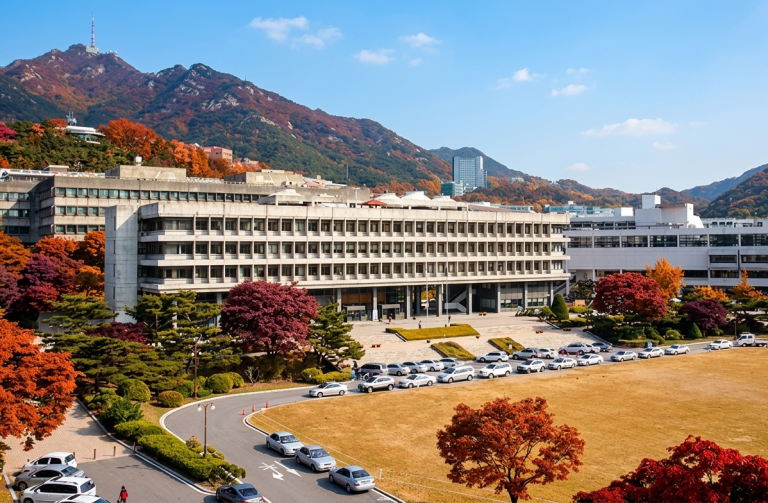
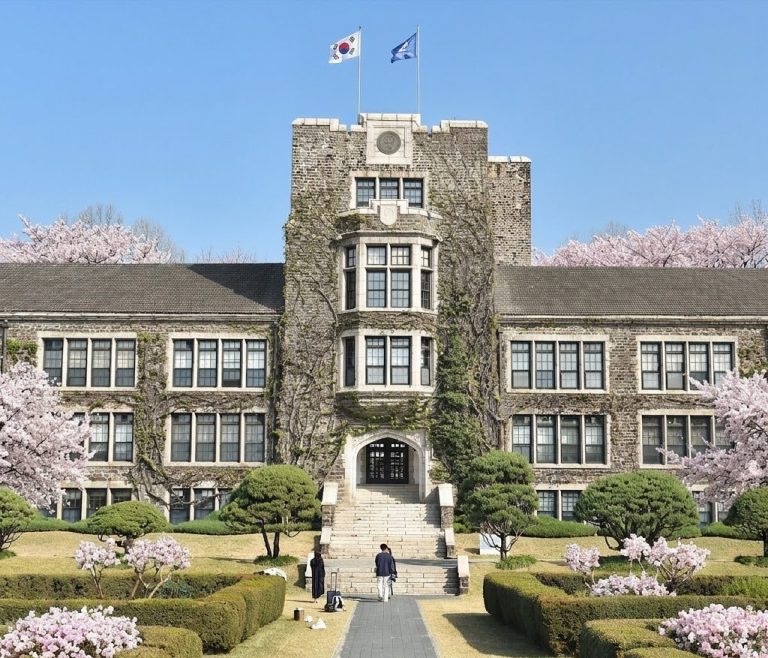
The higher education system in South Korea is built on the classic Bologna model, but has its own academic traditions. The academic year begins in March, with the second intake in September. Most international programs offer admission to both semesters.
Duration of study:
The language of instruction is Korean or English. The number of English-taught programs is growing every year, especially at the master’s level.
The Korean academic environment is highly competitive and challenging. The emphasis is on fundamental training, research, and the practical application of knowledge. Universities are closely connected to the country’s largest corporations—internships at Samsung, Hyundai, and LG are available even during studies.
A special note for students from the CIS: students can apply after completing 11th grade, but a strong school-leaving certificate and proven language proficiency are essential. If your knowledge of Korean is insufficient, consider the university’s language program—this will increase your chances of being accepted into the main department.
South Korea actively attracts young professionals and offers real opportunities for study, career, and life.
Diplomas from Korean universities are internationally recognized and highly valued in Asia, Europe, and the United States.
Students of technical and IT specialties work with advanced equipment and undergo internships at Samsung, Hyundai, LG, and other global giants.
South Korea provides a high level of security, well-developed infrastructure, and state-of-the-art campuses with a full range of living and research facilities.
Government programs make it easier to switch from a student visa to a work visa, as the country is interested in retaining international specialists.
Generous government and university scholarships can significantly reduce or cover the cost of education.
During their studies, students can work up to 20 hours a week with permission from the immigration office and the university.
By the way! During the vacation period, students can work full-time without any time restrictions.
Admission to South Korea requires attention to detail and strict adherence to deadlines. Start preparing 10-12 months before the start of your studies.
A high school diploma or a bachelor’s/master’s degree with a transcript of grades and an apostille.
IELTS / TOEFL certificate for English-speaking programs or TOPIK for Korean-speaking programs. The level depends on the program and university.
Bank statement (Financial Affidavit): funds must be in the account for at least 3-6 months before applying for a visa.
A motivation letter (Study Plan / Personal Statement), letters of recommendation from two teachers, and copies of the student’s and parents’ passports.
Research plan, publication history and preliminary agreement with a supervisor at the chosen university.
After enrollment, the university issues a certificate of enrollment. Based on this certificate, the consulate issues a D-2 visa (for full-time programs) or a D-4 visa (for language courses). The process takes 2-4 weeks.
Spring semester (March) – application in September-November of the previous year
Fall semester (September) – application in March-May
Compared to the United States or the United Kingdom, the cost of education in South Korea is significantly more affordable, especially at public universities.
Bachelor’s degree
Humanities and Social Sciences: $4,000–6,000 per year
Engineering, Medicine, and Arts: $7,000–12,000 per year
Master’s degree
Public universities: $4,000–8,000 per year
Private universities: $6,000–12,000 per year
Doctoral degree
Public universities: often subsidized or free of charge
Technical universities (KAIST, POSTECH): free of charge + monthly scholarship
Accommodation — $200–500 per month (student dormitory)
Meals — $200–350 per month
Transportation — $50–100 per month
Health insurance — ~$50 per month
Study materials — $100–300 per year
Personal expenses — $200–400 per month
Total for living: on average $800–1,500 per month depending on the city. In Seoul, the expenses are higher, in Busan, Daejeon or Pohang – 20-30% lower.
You can significantly reduce or fully cover the cost of education with the help of scholarships and grants. We help to get financing from 50% to 100% and write a guarantee of admission on the first try in the contract.
South Korea generously supports international students: scholarships can fully cover the costs of study and living. The main criteria are high academic performance, confident command of English and/or Korean, and achievements. For master’s and postgraduate students, research potential plays a crucial role.

South Korea’s most prestigious scholarship. It fully covers tuition, roundtrip airfare, Korean language courses, and a monthly living allowance (approximately $900–$1,000). Available for all levels: undergraduate, master’s, and PhD. The competition is high, so well-prepared documents and a strong motivation letter are essential.
All leading universities in South Korea have their own scholarship funds. Tuition discounts range from 30% to 100% for high academic performance. These are submitted simultaneously with the admissions application—it’s important not to miss the deadline.
Technical universities offer some of the most generous conditions for international students: a complete tuition waiver plus a monthly stipend for living expenses. This is especially important for master’s and doctoral students pursuing research.
Individual provinces and major Korean corporations (Samsung, LG, Hyundai) offer scholarship programs for international students. Less well-known, but the competition is lower – it is worth exploring options related to the region or industry in which you plan to develop.
Our unique algorithm is aimed at obtaining funding that covers 50 to 100% of the cost of education. To study in South Korea with us, take the first step and sign up for a free consultation.
Foreign students in South Korea live in various types of accommodation, depending on their budget, city, and personal preferences.
Student Dormitories (기숙사)
The most affordable and popular option. Located on campus, there are single and double rooms with a shared kitchen.
Price: $200-400 per month, including utilities.
Disadvantage: places are limited, you need to apply immediately after enrollment.
Goshivon (고시원)
Small furnished rooms with common areas are a popular budget option in cities. Conveniently located near universities.
Price: $250–400 per month.
Renting an apartment or a room (원룸 / 쉐어하우스)
A separate studio (원룸) or a room in a shared house. Gives more independence and a language environment.
Price: $400–800 per month depending on the city and district.
Looked for on Zigbang, Dabang, Naver Real Estate platforms.
Private apartments
Full independence and comfort, but more expensive. In Seoul – from $700 per month, in the regions much lower.
Universities organize special support programs for international students, such as buddy programs, interest clubs, and adaptation centers, which help students adjust to their new environment, find housing, and navigate everyday life.







She enrolled in Fashion PR programs at five US universities
Got accepted to NYU Abu Dhabi on the first try (acceptance rate 4%) with a scholarship of $217,000. Also received offers from Lynn and Drexel University.

He entered Siena Heights University (USA) for the Theater and Music program with a full scholarship of $170,000. Preparation took less than a year.
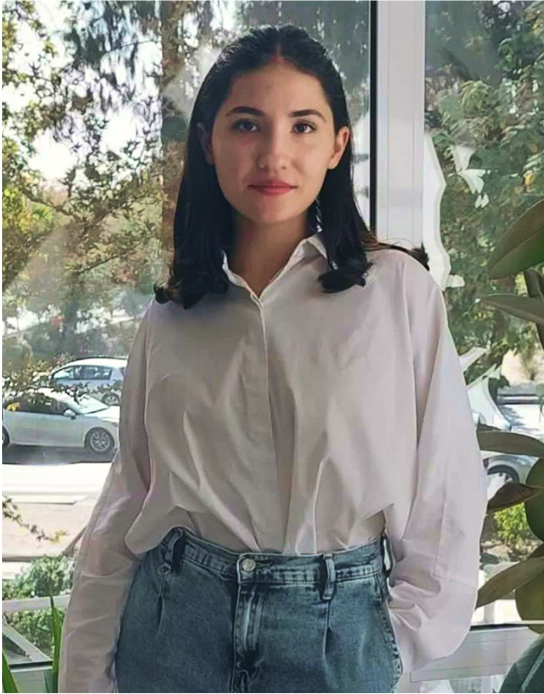
She entered graduate school at Kent State University and Ohio University. At Ohio University, she won a Graduate Teaching Assistantship with full funding of $37,774, covering tuition, insurance, and living expenses.
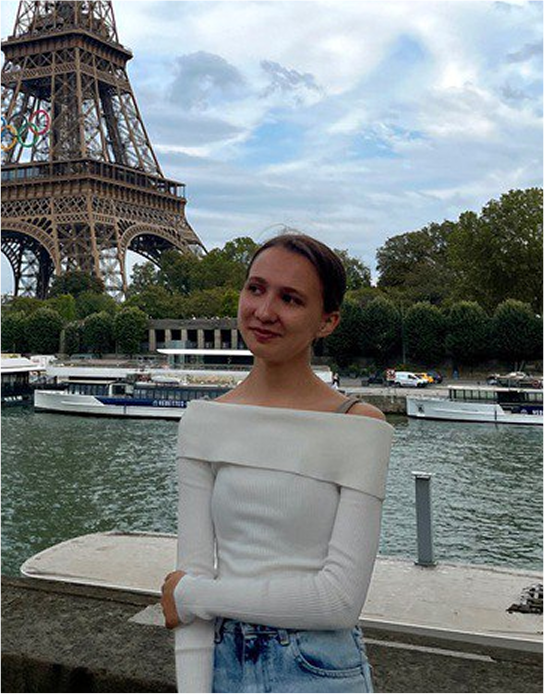
She enrolled in graphic design at universities in France, Italy and Hungary. She received scholarships at all of them and chose the university with the maximum funding — $135,000 for the entire period of study.
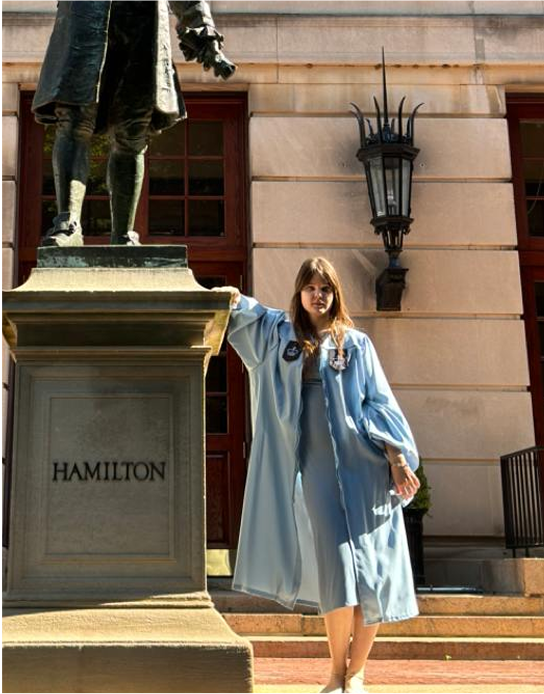
I was accepted to the PhD program at Columbia University on my first try, having strengthened my profile and compiled my achievements into a strong application.
«At the beginning of my journey, the admission process seemed somewhat complicated, but with my mentor, I received a clear plan that helped me get closer to my goals»

 Video review from Daria
«I didn’t know what I wanted to study for, and I was given an appointment with a career guidance counselor. We chose medicine, which I am very happy about»
Video review of Diora
«There are many companies on the market that help with studying abroad, but no one does it as comprehensively as SelfStart»
Review by Egor
«With SelfStartGlobal support, you will always know: what to do, why to do it and when to do it. This saves a lot of time»
Video review by Igor
«There were many questions during the process, but they helped me in everything, supported me and convinced me that I was on the right path. I think this is the most important thing»
Video review from Kamola
«Perhaps I would have done it myself, but I would not have been able to receive such generous funding as with SelfStartGlobal. Don't be afraid! Take risks, take action, and everything will work out»
Video review by Karina«With the SelfStartGlobal curators, all my questions disappeared, because I saw the system, structure and strategy that they build for each student»
Video review from Nadezhda«Among all the companies in the admissions market, SelfStartGlobal places an emphasis on distinguishing students from other candidates»
Video review by Lilia«I was looking for information on how to apply to a university and came across many webinars. One of them was hosted by Radmila»
Video review by Leonid
«I liked that we had constant contact with Ksenia (curator). I needed clear deadlines - I myself would start to grab onto everything at once»
Video review from Sofia«That very moment when the dream became reality... I fulfilled my biggest dream - I entered a US university!»
Video review from Sofia«My case is not easy, since I am 29 years old, and my bachelor’s degree is in philology, and I entered the master’s program in psychology»
Tamara's video review«I liked that the company focuses on developing a personal brand, as this is important for admission to the USA»
Elina's video review