


 Culture
 Economy
 Climate
about 6 millionpopulation of the country
3–4th placein the global competitiveness rating
more than 80,000foreign students
2 universitiesin the top 15 best universities in the world (QS 2025)
below 2%level of unemployment


 CultureEconomyClimate
The Singaporean education system combines British academic traditions with American flexibility and Asian discipline. The education is conducted entirely in English – one of the few Asian markets where the language barrier is virtually non-existent.
The main program for high school graduates. Admission is possible after 12-13 years of study, so students from the CIS are often recommended to take a Foundation year or 1 year at a home university.
Practically oriented programs, often developed in collaboration with the industry. Top business programs require GMAT/GRE and 2 years of work experience.
Research program. Public universities often offer full funding through research grants. Competition is high, and a clear research plan and supervisor are required.
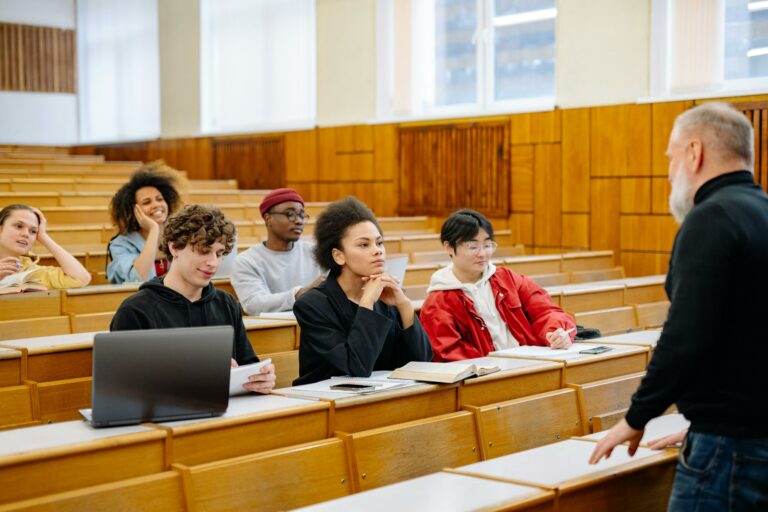
The academic workload in Singaporean universities is higher than in most European universities. Students participate in real-life cases, internships, and research projects from their first year. The competitive environment fosters discipline and independence, which are highly valued by employers.
Foreign students in Singapore receive not just a diploma, but a real entry into the Asian and global labor market. The country actively attracts young professionals, and the availability of local education makes it much easier to find a job.
Access to top employers. Singapore is home to the Asian headquarters of major technology and financial companies. University career centers have direct connections with recruiters.
English as a working language. No language barrier in studies and life. The business and academic environment is completely in English.
Recognition of diplomas worldwide. NUS and NTU diplomas are recognized on a par with the British Russell Group and American universities. Graduates work in Europe, the USA, and throughout Asia.
The right to work while studying. Full-time students have the right to work up to 16 hours a week during the semester and a full-time job during the holidays.
Post-graduation job search visa. After graduation, students can stay in the country to search for a job.
Our students have already been admitted to universities in Asia with up to 100% funding. We will explain how this works during a free consultation.
Tuition fees in Singapore are lower than in similarly ranked universities in the United States and the United Kingdom. Public universities offer subsidized rates for international students through the Tuition Grant program administered by the Ministry of Education.
In total, you will need about 1,500-2,500 SGD per month to live comfortably, depending on your lifestyle and housing type.
Despite the competition, funding for international students in Singapore is quite feasible, provided that the necessary documents are properly prepared and the requirements are clearly understood.

This is the most common type of support. It allows you to reduce the cost of education by 40-80%. In return, the student signs an obligation to work for a Singaporean company for 3 years after graduation. This is both a preferential education and a guaranteed career start.
Public universities offer their own scholarships based on academic achievements and extracurricular activities. The amount of coverage varies from partial to 100%. The decision is made based on the academic profile, motivation letter, and interview.
The Singapore government’s program for students from ASEAN countries. It fully covers tuition, accommodation, and provides a monthly allowance. The competition is high, but the conditions are among the best in the region.
Companies operating in Singapore actively support talented students. Sponsors include banks, technology corporations, and manufacturing holdings. Terms and amounts vary.
We develop an individual strategy for each student and focus on the types of funding that are realistic to obtain in a particular case. The goal is to cover between 50% and 100% of the tuition fees.
Singapore is one of the most expensive cities in the world, so it’s important to plan your accommodation in advance. Most universities offer on-campus accommodation, but the number of available spots is limited.
Student dormitories (On-campus halls)
The most convenient and budget option. They are located on campus and include catering or a kitchen. The cost is from 400 to 900 SGD per month. You should apply for a place immediately after receiving an offer from the university.
Private rental (HDB flat or room)
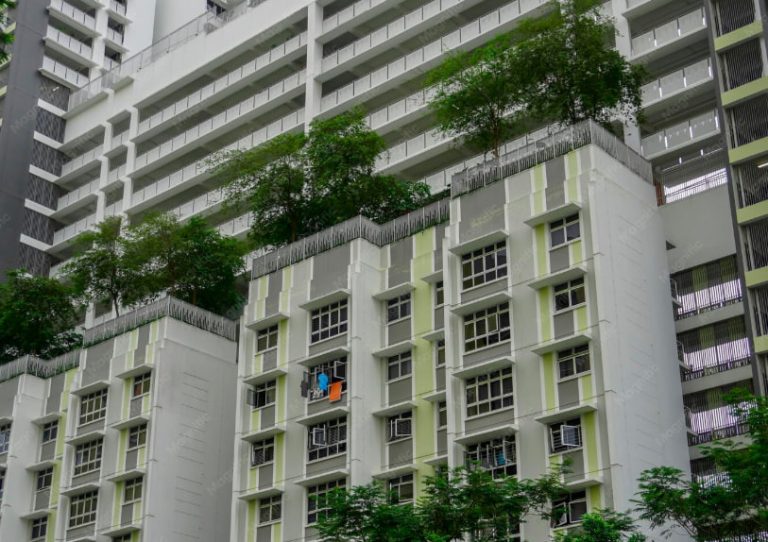
Room in an apartment with neighbors: from 700 to 1,500 SGD per month. A full-fledged studio or one-room apartment: from 1,800 SGD per month. Popular areas near universities are Clementi, Queenstown, and Buona Vista.
Temporary accommodation
Service apartments or hostels are convenient for the first weeks after arrival. Help to calmly look around and find a permanent option without haste.
Admission to Singapore requires clear planning: deadlines are strict, competition is high, and the difference in educational systems adds nuances. Below are the main requirements.
High school diploma or bachelor’s degree with translation and notarization.
IELTS from 6.5 (undergraduate) and from 6.5–7.0 (graduate), TOEFL from 85–100. Requirements vary by program.
Personal statement, letters of recommendation, CV, and, if necessary, SAT, GMAT, or GRE scores.
The admissions committees of top universities in Singapore evaluate not only grades, but also extracurricular activities, leadership potential, and the candidate’s uniqueness.
After receiving the offer, the university registers the student in the SOLAR system. Next, a Student’s Pass is issued through ICA. The processing time is 2-4 weeks.
A bank statement confirming the availability of funds for the first year of study and living expenses.
Public universities: usually January–March for admission in August. It is worth starting preparation 1–1.5 years before the planned start.







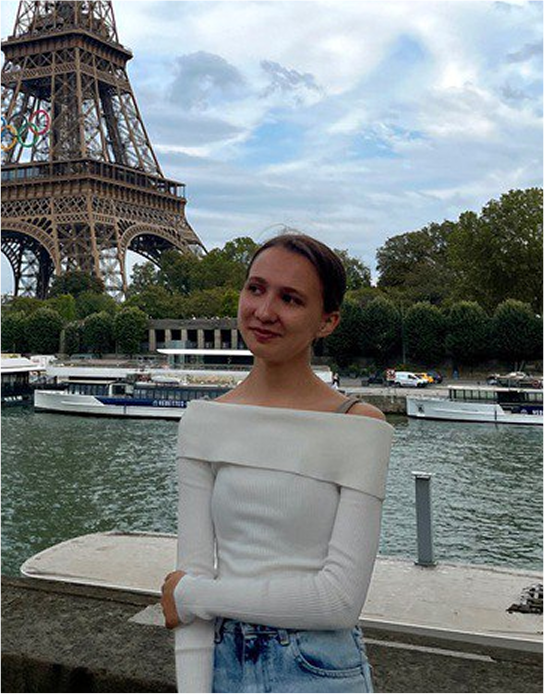
She enrolled in graphic design at universities in France, Italy and Hungary. She received scholarships at all of them and chose the university with the maximum funding — $135,000 for the entire period of study.

She entered graduate school at Kent State University and Ohio University. At Ohio University, she won a Graduate Teaching Assistantship with full funding of $37,774, covering tuition, insurance, and living expenses.
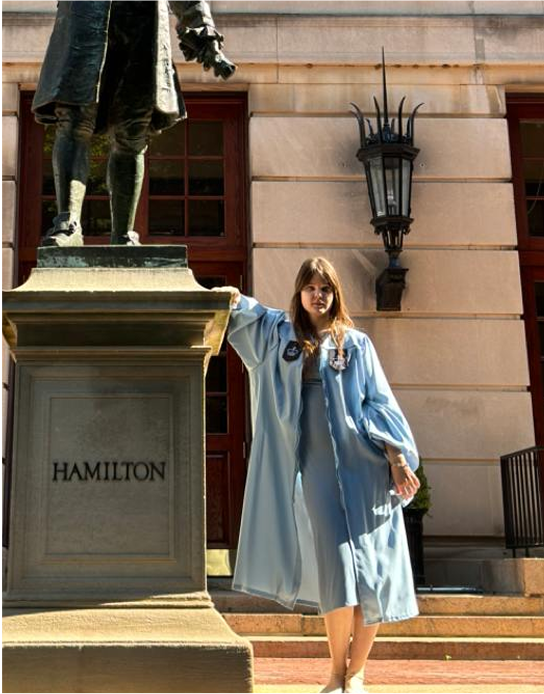
I was accepted to the PhD program at Columbia University on my first try, having strengthened my profile and compiled my achievements into a strong application.

He entered Siena Heights University (USA) for the Theater and Music program with a full scholarship of $170,000. Preparation took less than a year.

Got accepted to NYU Abu Dhabi on the first try (acceptance rate 4%) with a scholarship of $217,000. Also received offers from Lynn and Drexel University.
«I liked that the connection was constant. I received answers to all my questions within a day and even faster»

 Video review by Alevtina
«I already had an unsuccessful experience of entering the USA - then it turned out that just good grades are not enough. Now I decided to work with the team»
Alena's video review«What I liked most was the structure and organization. I am the kind of person who sees the goal, but does not see the path to implementation»
Video review by Alesya«It took me a while to realize I'd been accepted. It was an unforgettable experience, one I wish everyone who dreams of studying abroad could experience»
Alina's video review«If you are in doubt about where to go, worried that it won’t work out, then what are you waiting for? Come for a consultation with an expert»
Video review by Anastasia
«Perhaps I would have done it myself, but I would not have been able to receive such generous funding as with SelfStartGlobal. Don't be afraid! Take risks, take action, and everything will work out»
Video review by Karina«My minus is that I often don’t meet deadlines. But with SelfStartGlobal, I always knew that they would help me and that we would do everything in time»
Camilla's video review
«With SelfStartGlobal support, you will always know: what to do, why to do it and when to do it. This saves a lot of time»
Video review by Igor
«There are many companies on the market that help with studying abroad, but no one does it as comprehensively as SelfStart»
Review by Egor
«I am currently in 11th grade at a school in Kyiv, but I have already been admitted to a U.S. bachelor’s program and received a 100% scholarship»
Feedback from Ksenia