




 7 steps to guarantee your admission to a university abroad


She enrolled in Fashion PR programs at five US universities


Nashville, Tennessee, USA · Vanderbilt University is one of the leading private research universities in the USA, consistently ranked in the top 20 of the US News national ranking. Located in Nashville, a city with a unique cultural identity and an actively developing technological and business ecosystem. Vanderbilt is known for its exceptionally generous financial aid system: starting in 2021, the university has completely abandoned loans in financial aid packages, replacing them with grants. This means that an accepted student with confirmed financial need does not take on debt — he receives free aid. For the class of 2029, the acceptance rate was a record low 4.7% with a record number of applications — more than 50,000.
Vanderbilt University was founded in 1873 with the support of entrepreneur Cornelius Vanderbilt, who donated one million dollars to the university, a record-breaking sum at the time. The university was envisioned as a center for reconciliation and development in the Southern United States after the Civil War. Today, Vanderbilt is a modern research university that is a member of the Association of American Universities (AAU), with an international reputation and a 330-acre campus that is an accredited botanical garden (arboretum) in its own right, one of the few university campuses in the country with this status.
Nashville is one of the most dynamic cities in the United States. The music scene, major medical institutions, and technology startups are all within a 10- to 20-minute drive of the campus. Amazon Web Services, Oracle, Ernst & Young, and dozens of other major employers have opened offices in Nashville in recent years.
Notable alumni of Vanderbilt University include Al Gore (46th Vice President of the United States and Nobel Peace Prize winner), James Comey (Director of the FBI), Amy Grant (singer-songwriter), and Lani Guzalez (U.S. Senator).
Bachelor’s degree: approximately $66,000 per year (tuition, 2025-2026); COA: approximately $96,000 per year (tuition + room/board + fees + personal expenses)
Master’s degree: depends on the program – Owen MBA is about $67,000 per year; professional programs (Law, Medicine) are higher; academic master’s programs at the Graduate School range from $22,000 to $65,000 per year.
Doctoral degree: most PhD programs are fully funded – scholarship, tuition coverage, and insurance.
Vanderbilt unites several schools:
Vanderbilt’s campus is a 330-acre centerpiece of downtown Nashville, recognized as an official botanical garden (arboretum) with over 300 species of trees. Oak-lined pathways, historic buildings, and modern research facilities create an environment that seamlessly blends academic tradition with modern infrastructure.
Freshmen are required to live on campus. Vanderbilt utilizes a residential college system—residential communities where students of different majors and courses live, study, and interact together. Dining, study spaces, cultural events, and academic support are built into each residential college.
More than 500 student clubs and organizations, and about 40% of students participate in Greek life (fraternities/sororities). Vanderbilt participates in NCAA Division I as a member of the SEC conference, with particularly notable programs in baseball, American football, and basketball. Nashville is within easy reach, offering live concerts, restaurants, music festivals, and internships with major employers within a 10- to 20-minute drive from campus.
Vanderbilt accepts about 4.7% of applicants (class of 2029, over 50,000 applications). Applications are accepted through the Common App.
Vanderbilt consists of several schools — a student enrolls in a specific one: College of Arts and Science, School of Engineering, Peabody College, Blair School of Music. Each has its own emphasis.
Full transcript, AP/IB. Average SAT accepted — 1500–1560, ACT — 34–35.
Common App essay + Vanderbilt supplemental questions, including the traditional “why Vanderbilt and this particular school” question. Specificity is appreciated: mentioning programs, faculty, or research centers.
Two from subject teachers, and one from the class teacher.
Vanderbilt remains test-optional through the 2026-2027 cycle (class of 2031). If you have high scores, it is recommended that you enroll.
Depth of involvement, leadership, research projects, musical achievements, sports results, and social initiatives.
Early Decision I is valid until November 1, while Early Decision II and Regular Decision are valid until January 6. ED offers a significant statistical advantage, with a 13.2% success rate compared to a 3.3% success rate for RD (Class 2029).

For international applicants, transcripts with translation, TOEFL (100+ iBT) or IELTS (7.0+), essays, and letters of recommendation are required.
An important note for international students: Vanderbilt applies need-blind admission only for U.S. citizens and certain categories of non-residents. For international students, the need-aware policy applies, where the request for financial aid affects the admission decision.
However, all accepted international students who receive an offer with a request for aid receive 100% coverage of their needs without loans. In 2025, Vanderbilt offered need-based aid and/or merit-based scholarships to 91 international students from 50 countries, with packages ranging from $24,587 to $97,566 per year for four years.
It is important to note that the international financial aid application (CSS Profile or ISFAA) must be submitted simultaneously with the admission application, with separate deadlines.
Vanderbilt is one of the few American universities that has fundamentally rejected loans as a financial aid tool. The Vanderbilt Opportunity Program guarantees 100% of confirmed need through grants alone, without educational debt. This 2021 decision has made Vanderbilt one of the most attractive universities for students with financial need.
For families with incomes up to $150,000, most students receive a package that covers at least tuition. Families with incomes up to $65,000 typically cover almost all expenses.
In addition to need-based aid, Vanderbilt offers three signature full-tuition merit scholarships, which are rare among the top 20 universities in the United States:
Vanderbilt graduates have a median salary of $73,909 after six years (US News). The 6-year graduation rate is 93% – one of the best among all the universities we reviewed.
Nashville as a career platform is actively growing: in recent years, offices of Amazon Web Services, Oracle, Asurion, Ernst & Young have opened in the city. Vanderbilt Medical Center – one of the leading employers in the region – provides direct access to a career in medicine and biomedical sciences.
The Immersion Vanderbilt program, which is mandatory for all undergraduate students, develops the skill of bringing a complex project to completion. Students complete a major independent project (research, internship, social initiative, or creative work) throughout their entire academic career. This is a practical advantage that is valued in any professional environment.
Vanderbilt’s annual external research funding exceeds $900 million. The university is among the leading institutions in the country for medical technology development and neuroscience.
Key research centers include: Vanderbilt Brain Institute (neurodegenerative diseases and neuroscience), Vanderbilt Institute for Energy and Environment, Vanderbilt Data Science Institute. Vanderbilt Medical Center, one of the leading academic medical centers in the United States, provides students with direct access to clinical research from the undergraduate level.
According to the ARWU 2025, Vanderbilt ranks #64 in the world, which is based on objective academic metrics such as Nobel laureates, highly cited researchers, and publications in Nature and Science. This is a consistently higher ranking than QS or THE, indicating the university’s real scientific productivity regardless of reputation surveys.
The Vanderbilt campus is one of the very few in the United States to have the status of an official botanical garden (arboretum). More than 300 species of trees, 26 officially recognized specimens.
Vanderbilt was the first major research university in the Southern United States to completely eliminate educational loans from its financial aid packages in 2021, replacing them with grants.
Three signature merit-based full-tuition scholarships (Cornelius Vanderbilt, Ingram, Chancellor’s) are one of the rare opportunities in the American system where a student from a wealthy family can study at a top 20 university completely free of charge.
The Immersion Vanderbilt program, which is mandatory for all students, is unique in American higher education: there is no other top 20 university in the United States that requires students to complete a full-fledged independent project during their undergraduate studies.
Vanderbilt is a member of the SEC (Southeastern Conference) in NCAA Division I, which is rare for a university of this academic level: top research universities are usually part of the ACC, Big Ten, or Ivy League.
The Blair School of Music offers a unique format: students can simultaneously pursue a full-fledged musical and academic education in two departments without compromising either one.
Applying to Vanderbilt requires a well-thought-out strategy: choosing the right school, writing compelling essays that focus on the specific program, and submitting a well-structured financial application. At SelfStartGlobal, we help you:
Our students have already received scholarships worth more than $35 million.
If you want to apply to Vanderbilt University and receive maximum financial support, come for a free consultation. We will tell you how it works in your specific case.
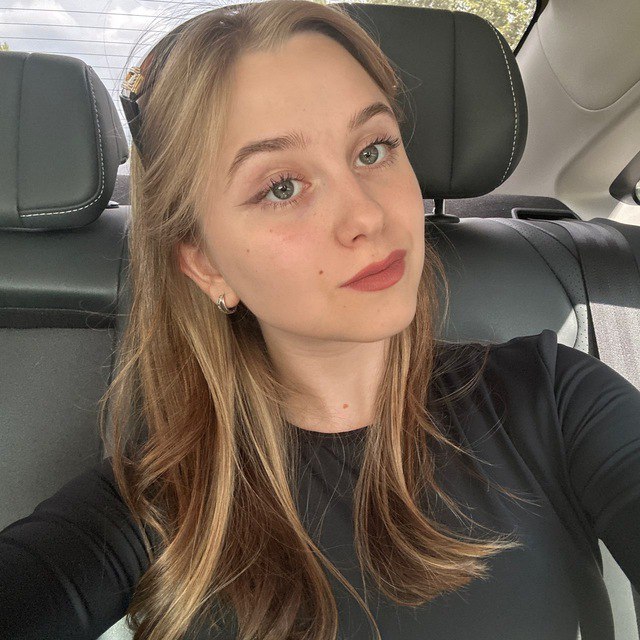
She enrolled in Fashion PR programs at five US universities

She was admitted to three American universities at once: Augustana College, Widener University, and the University of South Dakota. She chose Augustana College, where she received a scholarship of $45,000 per year.

He entered a master’s program in the USA at two universities at once – Brandeis University and Washington University in St. Louis, receiving scholarships totaling $80,000. He chose Brandeis University and went to study on the first try.
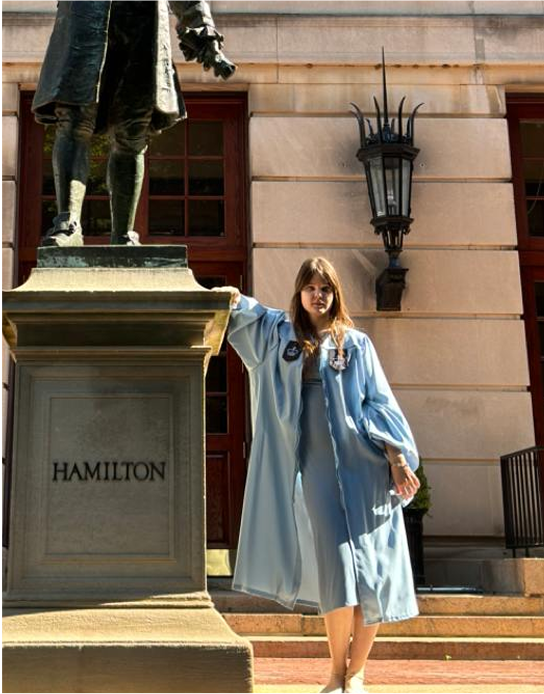
I was accepted to the PhD program at Columbia University on my first try, having strengthened my profile and compiled my achievements into a strong application.
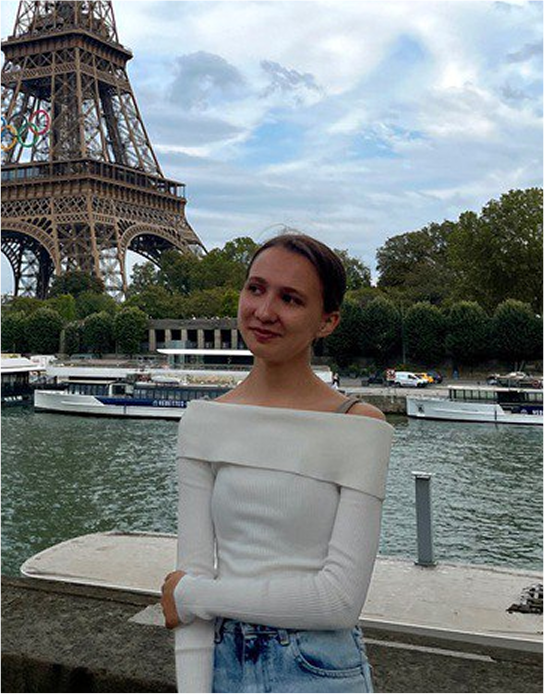
She enrolled in graphic design at universities in France, Italy and Hungary. She received scholarships at all of them and chose the university with the maximum funding — $135,000 for the entire period of study.

She entered graduate school at Kent State University and Ohio University. At Ohio University, she won a Graduate Teaching Assistantship with full funding of $37,774, covering tuition, insurance, and living expenses.

He entered Siena Heights University (USA) for the Theater and Music program with a full scholarship of $170,000. Preparation took less than a year.
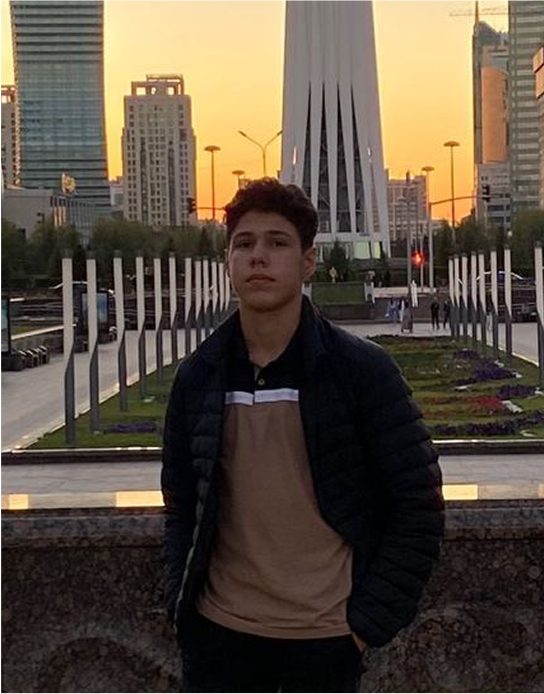
Got accepted to NYU Abu Dhabi on the first try (acceptance rate 4%) with a scholarship of $217,000. Also received offers from Lynn and Drexel University.
Leave your contacts — our consultant will get in touch
