








Why STEM Applications Should Start with Choosing a Career Direction
Время чтения:
0 мин
0 мин


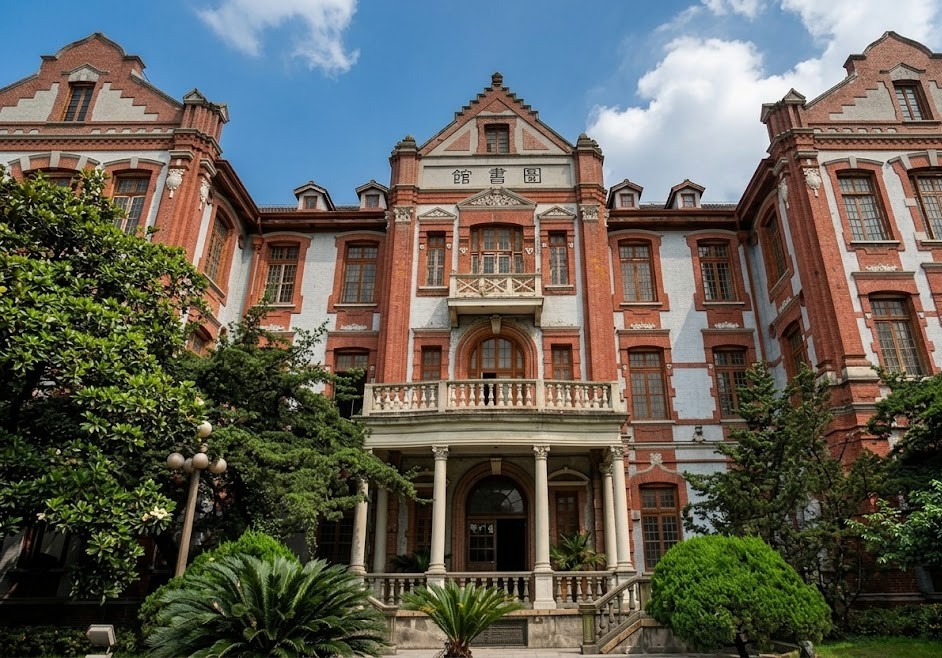
 Shanghai, China
 Shanghai Jiao Tong University is one of the oldest and most respected technical universities in China, founded in 1896. It is often called the "Eastern MIT" for its historically strong engineering profile and emphasis on applied research. It is a member of the C9 League, an association of nine leading Chinese universities. According to the Nature Index 2025, SJTU ranks #8 globally for academic excellence—an indicator of tangible scientific impact. According to the CWTS Leiden Ranking 2025, it is #2 globally. SJTU created the Academic Ranking of World Universities (ARWU), the Shanghai Ranking, which has become one of the three main global university rankings.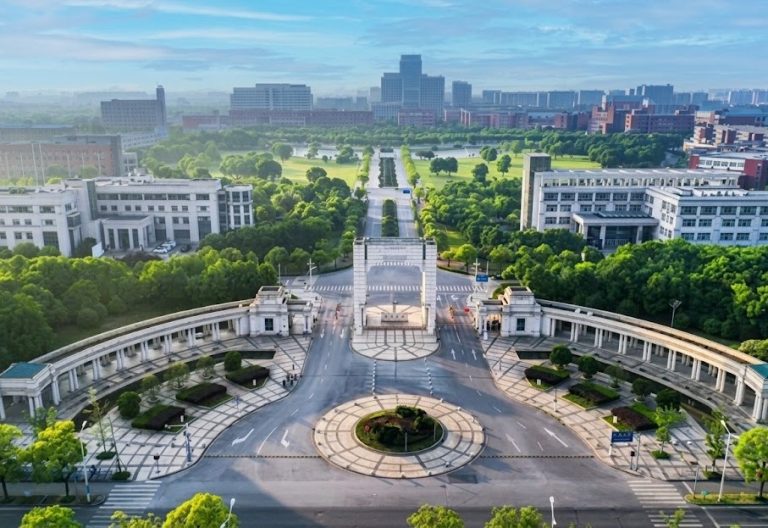
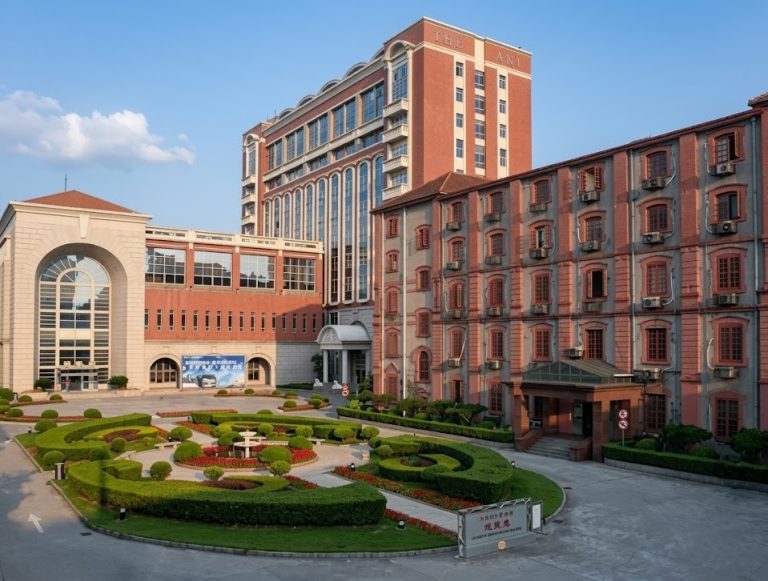
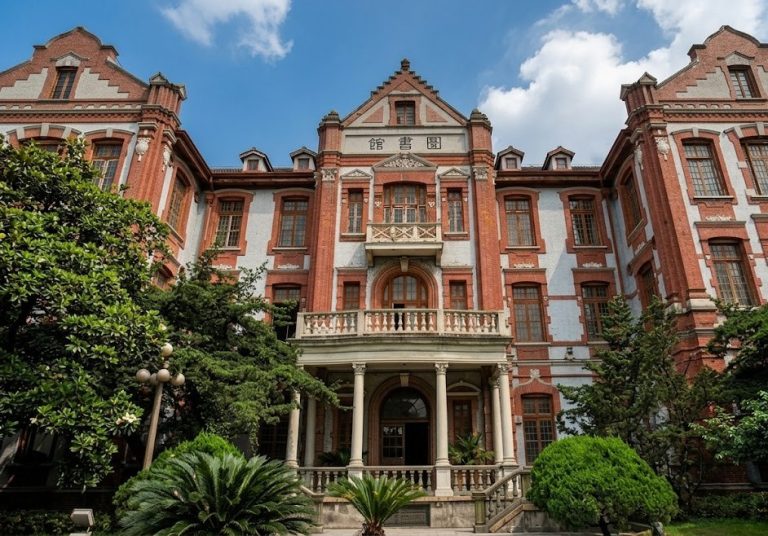
Shanghai Jiao Tong University was founded in 1896 by a civil servant as a transport institute. Over time, it became one of the leading engineering and technical universities in Asia, and in 2005 it expanded through a merger with Shanghai Second Medical University. Today, SJTU is a large research university with more than 16,000 bachelor’s students and over 6,000 doctoral students. More than 60 bachelor’s degree programs cover nine main disciplines: economics, law, literature, natural sciences, engineering, agriculture, medicine, management, and arts.
Shanghai is China’s business and financial capital and one of the most international cities in Asia. The main campus of SJTU is located in the Minhang district; the Xuhui and Fuhua Zhen campuses are also in operation in the city’s central districts. SAIC Motor, Huawei, COMAC, Alibaba, Tesla China, and dozens of other companies actively recruit SJTU graduates.
A unique fact: it was SJTU that created the Academic Ranking of World Universities (ARWU) in 2003 — the Shanghai Ranking, the first global university ranking in history to use comprehensive indicators. This reflects the university’s deep involvement in the international academic system.
| Degree of study | bachelor's degree, master's degree, PhD |
| Type of university | a public research university; a member of the C9 League (the Chinese Ivy League) |
| Languages of instruction | predominantly Chinese; a significant number of programs in English |
| Main directions | engineering, computer science, medicine, economics and management, natural sciences |
| Scholarships | Chinese Government Scholarship (CGS), Shanghai Government Scholarship, SJTU Scholarship, SJTU Fellowship (PhD) |
| Size of the student campus | more than 16,000 bachelor’s students; more than 6,000 doctoral students |
| Campuses | The main one is Minhang; also Xuhui and Fahua Zhen in Shanghai. |
Application review fee: 800 RMB (non‑refundable)
The following are added to the tuition cost:
SJTU unites several schools and colleges. The most sought‑after programs for international students are:
Engineering
The historical and academic core of SJTU. School of Electronic Information and Electrical Engineering, School of Mechanical Engineering, School of Naval Architecture and Ocean Engineering, School of Chemical Engineering, School of Ecology and Civil Engineering.
ARWU 2025 subject rankings: Biomedical Engineering — #1 in the world, Marine/Ocean Engineering — #1 in the world, Energy Science & Engineering — #2, Nanoscience & Nanotechnology — #3, Metallurgical Engineering — #4. Close ties with COMAC (aircraft manufacturing), SAIC Motor, and the country’s largest shipbuilding enterprises.
Zhiyuan College deserves special attention — it is an elite program within SJTU for the most outstanding students in the fields of mathematics, physics, chemistry, and biology. Admission is a separate competition with higher requirements.
Computer Science and AI at the School of Electronic Information and Electrical Engineering (SEIEE) — computer science, software engineering, cybersecurity, AI, automation. ARWU 2025: Computer Science — #9 in the world. Focus on AI, machine learning, computer vision. A number of programs are available in English — especially at the master’s level.
SJTU Medical School (after the merger with Shanghai Second Medical University in 2005) is one of the largest medical faculties in China: 12 affiliated hospitals, including Ruijin Hospital and Xinhua Hospital. Medical programs for international students are conducted in Chinese; a high HSK level is required; duration — 6 years.
Economics and Business
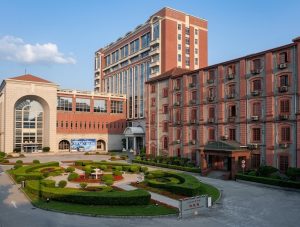
The main campus of SJTU in the Minhang district is one of the largest in Shanghai. It is well connected to the city via metro lines. Traditional green alleys and modern research buildings create an academic environment typical of old Chinese universities.
Student dormitories are available on campus for international students (cost: 80–160 RMB per day), but the number of places is limited and not guaranteed — it is recommended to plan accommodation in advance. The campus has canteens, sports facilities, libraries, and medical centers.
Shanghai offers students one of the best urban environments in Asia: a well-developed metro network, an international gastronomic scene, cultural events, and direct access to leading employers. Near the campus, there are concentrated technology companies and production centers where SJTU students regularly complete internships.
All applications must be submitted via the official portal: apply.sjtu.edu.cn. Fee: 800 RMB (non‑refundable).
Language requirements: HSK 5–6 for Chinese‑language programs; IELTS 6.0–6.5 or TOEFL 80–90 iBT for English‑language programs.
It is recommended to start preparing 4–6 months before the deadline.

A secondary education certificate with good academic performance. Targets for foreigners: A-Level — AAA and above; IB — from 28 points. Deadline: as a rule, late April — early May for the September intake.
Bachelor’s degree diploma with transcript, CV, personal statement or study plan, letters of recommendation (usually two). Deadline: May 15 for most graduate programs.
The research proposal and preliminary contact with the academic supervisor are essentially a mandatory element. Alignment with the supervisor’s research interests is a key factor. If there are publications, they should be included in the application.
SJTU does not officially publish an acceptance rate for international students. The competition is high, especially for engineering, medical, and IT programs.
What really increases the chances: strong mathematical and scientific training for STEM programs, participation in Olympiads and research projects, prior contact with a research supervisor for a PhD, a specific study plan with links to SJTU laboratories and research projects.
Medical programs are a separate, significantly more complex process: HSK 5–6 is required, a specialized entrance exam is needed, and the program lasts 6 years.
Important for international students: as at Fudan and PKU, the main language of instruction at SJTU is Chinese. However, SJTU offers significantly more English‑language programs at the master’s and PhD levels than most other Chinese universities — this is one of its competitive advantages.
The Chinese Government Scholarship (CGS) is the main state program. It covers: tuition, accommodation, health insurance, and a monthly stipend (3,000 RMB for bachelor’s programs, 3,500 for master’s programs, and 4,200 for doctoral programs). SJTU offers two application routes: through the university or through the Chinese embassy — duplicate applications are not allowed.
The Shanghai Government Scholarship is a regional program; in some cases, SJTU automatically integrates the review into the admission process.
SJTU Scholarship — three levels:
First-Class: full tuition + 2,500 RMB/month + 1,000 RMB/month living allowance + insurance (duration — 4 years for bachelor’s degree)
Second-Class: 50% tuition + living allowance + insurance
Third-Class: 25% tuition + insurance
All scholarship holders undergo an annual academic review in April–May — the scholarship status may be revised based on the results.
SJTU Fellowship (PhD) — full or partial coverage, depending on the program and faculty. One of the most competitive postgraduate scholarships among Chinese universities.
SJTU is one of the leading providers of talent for China’s technology and industrial sectors. SAIC Motor, COMAC, Huawei, Alibaba, ByteDance, Tesla China, and the largest financial institutions in Shanghai — all of them actively recruit SJTU graduates.
For an international student, an SJTU degree is especially valuable in the engineering, technology, and financial sectors. Shanghai, as a career hub, provides access to the regional headquarters of hundreds of global corporations right during the study process — internships at real companies are integrated into many programs.

SJTU created the Academic Ranking of World Universities (ARWU) in 2003 — the world’s first global university ranking based on comprehensive objective indicators. Today, ARWU is one of the three most authoritative global rankings.
SJTU is the world’s #1 leader in two subject areas simultaneously according to the ARWU 2025 rankings: Biomedical Engineering and Marine/Ocean Engineering.
The Zhiyuan College program within SJTU is an elite track for the best students in mathematics, physics, chemistry, and biology; it is often compared to Caltech in terms of the intensity of its training.
SJTU has been called the “Eastern MIT” since its founding in 1896; the university is older than many European technical universities and has been engaged in applied engineering research since the 19th century.
ACEM (Antai College) is dually accredited by AACSB and EQUIS, a designation held by less than 1% of business schools worldwide.
Admission to SJTU involves several parallel tracks: admission application, scholarship application, and supervisor fit for a PhD. At SelfStartGlobal, we help manage these systematically:
Our students have already received scholarships worth more than 35 million dollars.
If you want to enroll at Shanghai Jiao Tong University, come to a free consultation. We’ll explain how it works in your specific case.

She enrolled in Fashion PR programs at five US universities
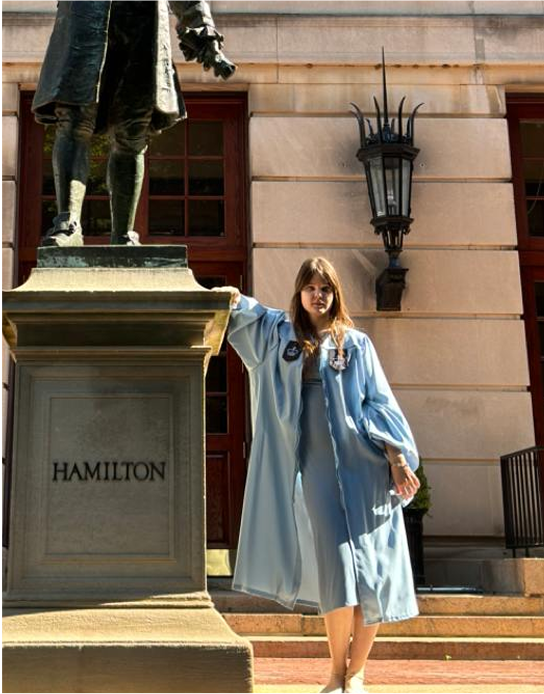
I was accepted to the PhD program at Columbia University on my first try, having strengthened my profile and compiled my achievements into a strong application.

She was admitted to three American universities at once: Augustana College, Widener University, and the University of South Dakota. She chose Augustana College, where she received a scholarship of $45,000 per year.

He entered a master’s program in the USA at two universities at once – Brandeis University and Washington University in St. Louis, receiving scholarships totaling $80,000. He chose Brandeis University and went to study on the first try.
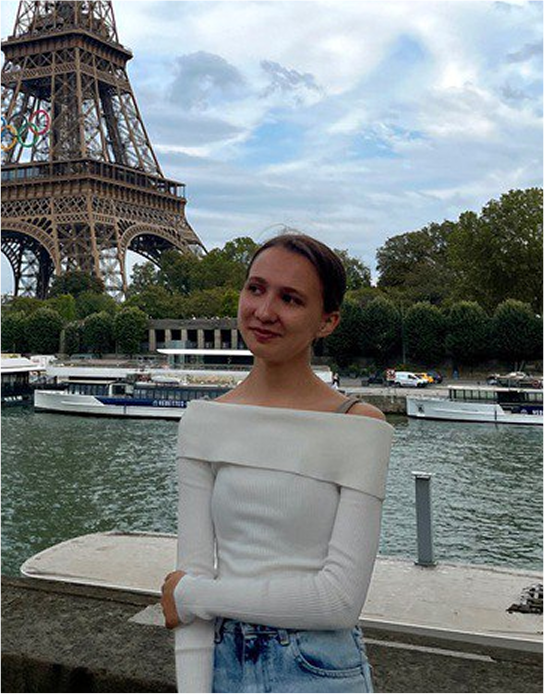
She enrolled in graphic design at universities in France, Italy and Hungary. She received scholarships at all of them and chose the university with the maximum funding — $135,000 for the entire period of study.

She entered graduate school at Kent State University and Ohio University. At Ohio University, she won a Graduate Teaching Assistantship with full funding of $37,774, covering tuition, insurance, and living expenses.

He entered Siena Heights University (USA) for the Theater and Music program with a full scholarship of $170,000. Preparation took less than a year.

Got accepted to NYU Abu Dhabi on the first try (acceptance rate 4%) with a scholarship of $217,000. Also received offers from Lynn and Drexel University.