








Why STEM Applications Should Start with Choosing a Career Direction
Время чтения:
0 мин
0 мин


 Seoul, South Korea
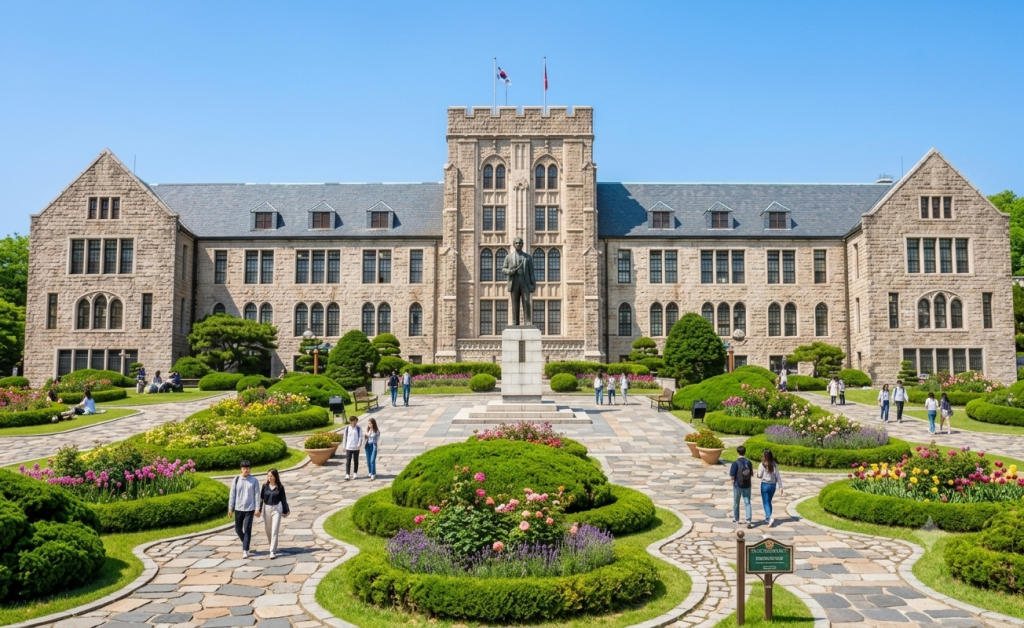
 Korea University is one of the leading private universities in South Korea, founded in 1905. It is included in the unofficial top three of SKY - the association of three of the country's most prestigious universities together with Seoul National University and Yonsei University. It attracts foreign students with strong programs in engineering, computer science, economics and international studies.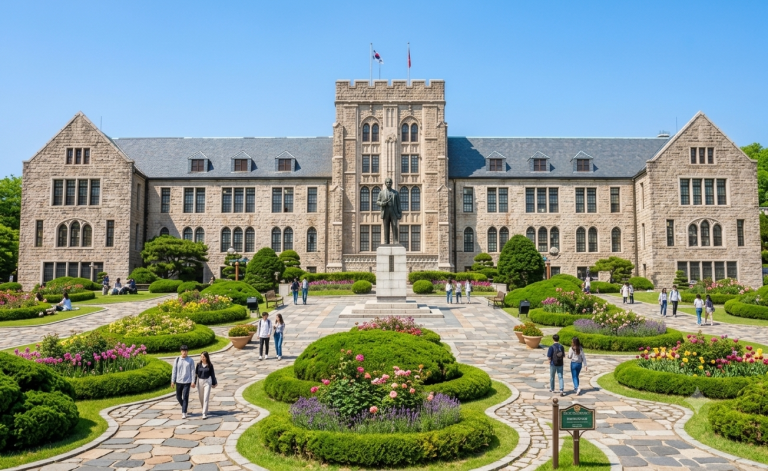
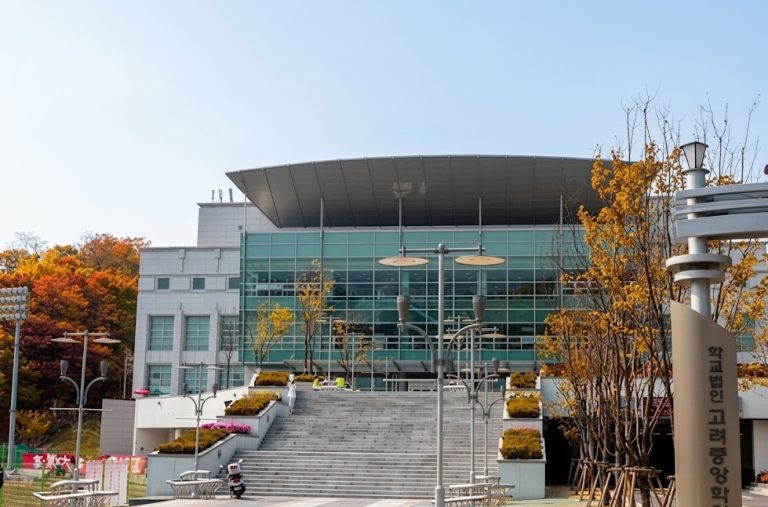
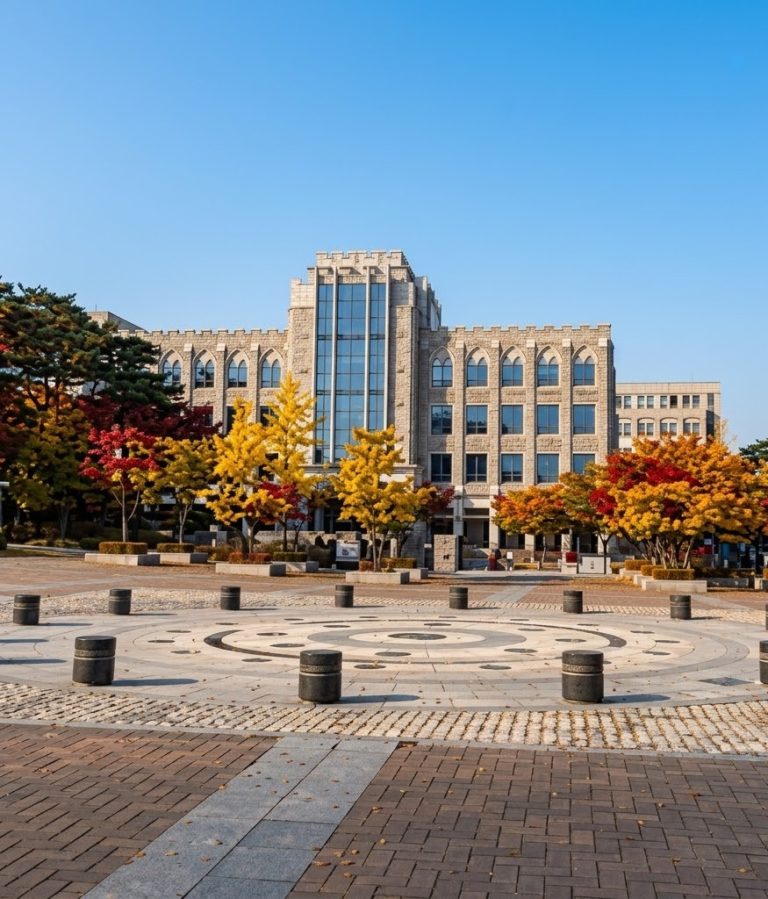
Korea University is one of the oldest and most respected universities in South Korea, founded in 1905 as the first university to be fully established and managed by Koreans. Located in the Anam district in the heart of Seoul, on a campus spanning over 70 hectares, the university features a European-style Gothic architecture.
As a member of the SKY trio, a Korea University degree is a significant asset in the Korean job market, with graduates traditionally holding leadership positions in the country’s largest corporations, including Samsung, LG, and Hyundai.
Among the graduates of Korea University are the heads of major Korean corporations, politicians, and cultural figures, which reflects the university’s status as one of the country’s key talent pools.
| Degree of education | Bachelor's, Master's, and Doctoral Degrees |
| Position in the rating | #61 in the world (QS 2026), #156 (THE 2026) |
| Scholarships | University scholarships for academic achievements, Korean Government Scholarship (GKS) |
| Specialties | engineering, computer science, economics, political science, international studies, biological sciences, and business |
| Type | private university |
| The size of the student campus | more than 33,000 students |
| Location | Anam District, Seoul |
| Percentage of accepted students | depends on the program and the student's country of origin |
| Probability of employment | high — graduates of Korea University are traditionally in demand by large Korean corporations |
| Languages of instruction | English and Korean — depends on the program |
| % of foreign students | a significant and growing share of the student body |

The College of Informatics offers computer science and software engineering, data analysis, and artificial intelligence. One of the most sought-after clusters among foreign applicants. Before submitting documents, it is important to check which programs are conducted in English.
The Faculty of Engineering (College of Engineering) includes Chemical and Biological Engineering, Materials Science, civil and Environmental Engineering, Architecture, mechanical engineering, electrical engineering and energy Engineering. A strong cluster with a well-developed research base and links with the Korean industry.
The Faculty of Political Science and Economics (College of Political Science and Economics) combines political science and international relations, economics, statistics and public administration. It is suitable for students who are interested in management, international relations and political processes in the Asian and global context.
The College of Life Sciences and Biotechnology and the College of Health Sciences are suitable for students who are interested in biotechnology, biomedical engineering, and health policy.
Other popular fields include business management, international studies, global Korean studies, and media and communications.
To enroll in Korea University as a foreigner, you need to understand several parallel processes: bachelor’s degree, transfer, master’s degree, and government scholarship are different procedures with different requirements and deadlines.
The first step is to determine your level of study, choose your major, check the language of the program, and find the appropriate method for submitting your documents.
For reference: the fall 2026 intake involved online applications from international applicants for bachelor’s degrees from March 2 to March 27, 2026, with the deadline for submitting documents being March 31, 2026. These dates are provided as an example, and it is important to check the university’s website for the most up-to-date information regarding the specific intake.
The basic package includes an application form, academic documents, graduation certificate, language test results, passport information, a motivation letter, and recommendation letters. Some programs may require a portfolio or additional materials.
The language requirements depend on the program. Some programs are taught in English (IELTS or TOEFL required), while others are taught in Korean (TOPIK required). Please check the specific requirements in the admission guide before submitting your application.
The cost depends on the faculty, the level of the program, and the year of admission. According to the university’s official website, the estimated cost of one semester of undergraduate studies is as follows:
Additionally, there may be mandatory student fees.
The student’s full budget also includes accommodation in Seoul, meals, insurance, study materials, visa costs, and flights – these details should be clarified separately.
Admission to Korea University differs from the procedures familiar to CIS applicants: international students submit documents through a separate track (not through a unified national exam, as Korean high school students do), and the assessment is based on a combination of academic documents, language certificates, and a motivation letter.
In addition to university scholarships for academic achievements, international students of Korea University can apply for the Korean Government Scholarship — Global Korea Scholarship (GKS), also known as the Korean Government Scholarship Program.
GKS is a separate program from the South Korean Ministry of Education, not directly linked to a specific university. It covers full tuition fees, monthly stipend, airline tickets, and health insurance for selected candidates. The competition is high, and applications are submitted in parallel with admission to the university — with their own deadlines and a set of documents.
Additionally, students with excellent academic performance can apply for merit scholarships directly from Korea University — they cover part or, in some cases, the full cost of tuition. The size and selection criteria vary by year and faculty, so the current conditions need to be clarified on the university’s official scholarship page before applying.
It is important to set a scholarship strategy in advance — GKS and university grants have different deadlines, which often come before the deadline for applying for admission itself.
Korea University provides student residences for international students on campus in Anam District – there are three buildings with a capacity of more than 700 students. The rooms are fully furnished, each building has a common kitchen, a gym and a laundry. Single, double and triple rooms are available – the specific option depends on the building and availability.
Korea University graduates have a strong position in the Korean job market: according to recent studies, the university ranks first in the country in terms of the number of graduates who have become CEOs of companies on the Korean Fortune 500 list, which is a direct indication of the strength of the alumni network and the university’s reputation among employers.
After completing their studies, international graduates have several visa options for pursuing their careers in Korea. The D-10 visa is designed for job search purposes after graduation. Students with a bachelor’s degree who have graduated in the last 3 years and have a TOPIK level of 4 or higher can apply for this visa using a simplified procedure starting from 2026.
A separate path is the K-Star visa, which is aimed at science and technology professionals and provides faster access to long-term residency for technical graduates.
For those who plan to become permanent residents, the path to a residence permit (F-2) and then to permanent residency (F-5) is significantly shorter for graduates of Korean universities than for other categories of foreigners. In some cases, the period is reduced from 6 to 3 years.

Korea University was founded in 1905 as the first university to be fully established and run by Koreans, a historical role that remains a part of the university’s identity to this day.
The architecture of the main campus in the Anam district is Gothic-style, reminiscent of medieval European universities, which visually sets it apart from most modern Korean universities.
Korea University has one of the largest and most active alumni associations in the country. The Alumni Association annually allocates approximately 2.4 billion won in scholarships for students, which is considered the largest amount among alumni associations in Korean universities.
Among the university’s graduates are South Korean President Lee Myung-bak, Seoul Mayor Oh Se-hun, figure skater Kim Yu-na, and several well-known figures from the Korean film and K-pop industries.
The university’s football team, founded in 1923 during the Japanese colonial era, is considered one of the most historically significant in the development of modern sports in Korea.
The team spirit of the graduates is so strong that there is a well-established expression in Korean society about the special reliability and mutual support among the graduates of Korea University, which is part of the cultural perception of the university in the country.

She enrolled in Fashion PR programs at five US universities

He entered a master’s program in the USA at two universities at once – Brandeis University and Washington University in St. Louis, receiving scholarships totaling $80,000. He chose Brandeis University and went to study on the first try.

She was admitted to three American universities at once: Augustana College, Widener University, and the University of South Dakota. She chose Augustana College, where she received a scholarship of $45,000 per year.
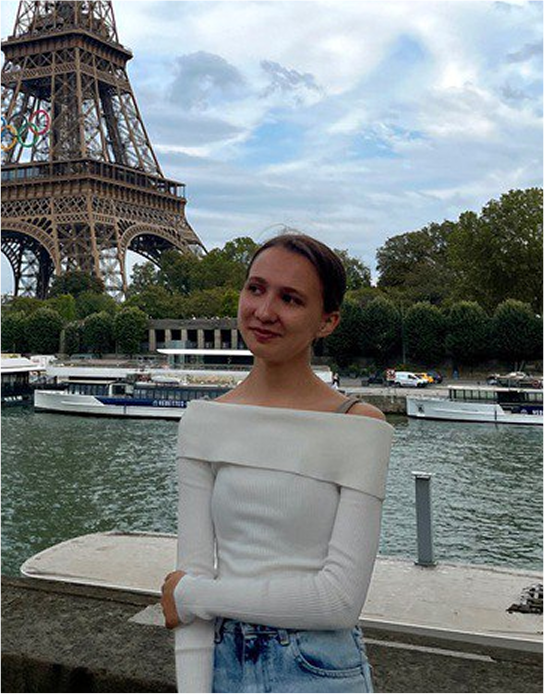
She enrolled in graphic design at universities in France, Italy and Hungary. She received scholarships at all of them and chose the university with the maximum funding — $135,000 for the entire period of study.
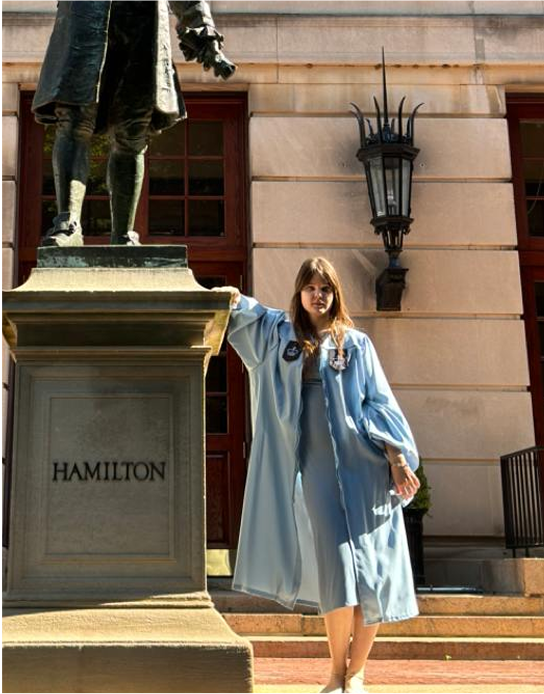
I was accepted to the PhD program at Columbia University on my first try, having strengthened my profile and compiled my achievements into a strong application.

She entered graduate school at Kent State University and Ohio University. At Ohio University, she won a Graduate Teaching Assistantship with full funding of $37,774, covering tuition, insurance, and living expenses.

He entered Siena Heights University (USA) for the Theater and Music program with a full scholarship of $170,000. Preparation took less than a year.

Got accepted to NYU Abu Dhabi on the first try (acceptance rate 4%) with a scholarship of $217,000. Also received offers from Lynn and Drexel University.