




 Study Abroad: How to Apply and What to Expect After Graduation

She enrolled in Fashion PR programs at five US universities


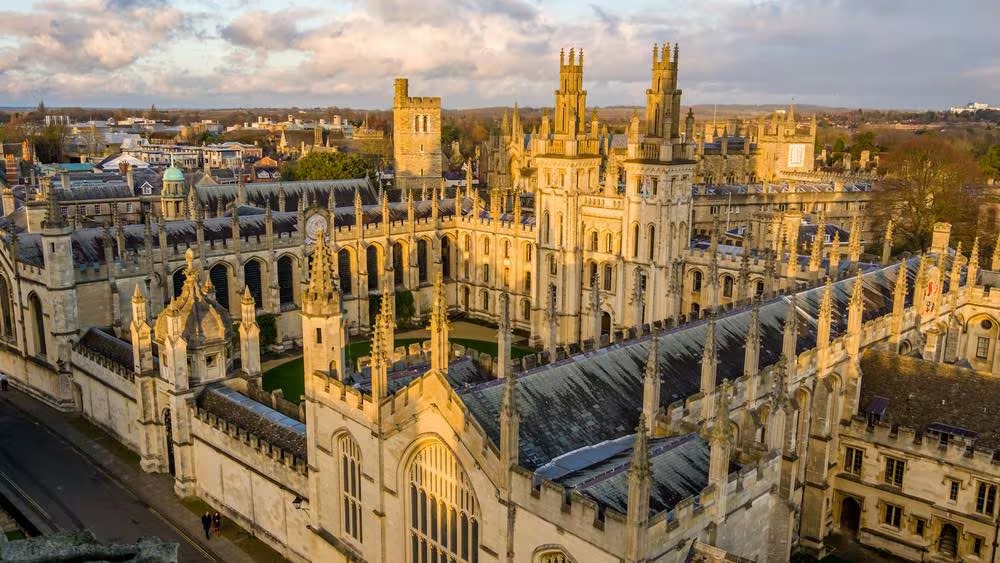
UK, Oxford · If you were asked to name some of the most prestigious universities in the world, you'd likely think of Oxford. It's the oldest university in the UK, a true symbol of academic tradition, a hub of innovation, and a community of people who set the tone for science, politics, and culture worldwide.
Princeton University was founded in 1746 and is one of the oldest and most prestigious universities in the United States. Located in Princeton, New Jersey, it is a member of the Ivy League, which unites elite educational institutions. The university provides funding for undergraduate and doctoral studies, and some master’s programs are completely free.
Oxford University’s history dates back to the 12th century, when universities were just beginning to emerge in Europe. Over these eight centuries, it has grown into a major academic center. Today, the university occupies leading positions in global rankings (Times Higher Education, QS, ARWU).
A few facts that speak volumes:
But behind this vast history lies a university with a vibrant and engaging student life, where vaccines are created in its labs and startups are born in its classrooms.
Applying to Oxford involves a series of steps, each of which requires careful consideration. They value not only academic strength but also the student’s personality: their interests, goals, and motivation. The admissions committee wants to know why you chose this particular university and how your story fits together.
Admissions process:
Oxford offers a wide range of programs, from humanities to data science and bioengineering. Once you’ve decided on your program, choose your college.
Admission to undergraduate programs requires high A-level results (usually A*AA or higher), an IB Diploma (approximately 39–42 points), and an SAT/ACT score or national equivalent. Olympiads, projects, publications, debate participation, and volunteer work are also considered.
Applications are accepted through the UCAS system. Please note that Oxford’s deadline is October 15, which is almost three months earlier than other UK universities.
One of the most crucial stages. Tell us about the ideas, goals, and research that shaped your interest in the subject? What area of study do you want to pursue, and why Oxford?
Exams vary by faculty: TSA, MAT, LNAT, BMAT, HAT, PAT. Your academic essays in literature or history may be required to assess your writing and argumentation.
A separate part of the Oxford application process is an interview with a tutor, where students are asked non-standard questions on the topic. Here, it’s important to demonstrate not knowledge, but thinking: how well you can argue, analyze, and reason.
— GPA: 4.0 out of 5.0
— TOEFL: 110+, IELTS: 7.5+
— Success in Olympiads, research projects, and competitions
— IELTS score of 7.5 (no lower than 7.0 in each section)
— TOEFL score of 110 or higher
— high school diploma or bachelor's degree
— academic transcript with translation
— essay (Personal Statement)
— teacher recommendations
— exam results (SAT, ACT, A-levels, IB)
— proof of English proficiency
— Honors degree
— CV with projects, internships, and publications
— Statement of Purpose (motivation letter)
— Sometimes GRE/GMAT and written work samples

Tuition fees at Oxford vary depending on the faculty and level:
Scholarships and grants can cover part or all of your costs:
It’s important to choose the right funding program for you, complete your application, and craft a motivational statement that stands out from the thousands of other applications.
The University of Oxford’s Master’s degree program is designed for graduates who already have research or professional experience.
Popular programs:
Admission requirements:
We help students choose a program and major, as well as tailor their application to Oxford’s standards. Your application will be strong and competitive.
Oxford University is a network of 30 colleges, each a miniature academic world with its own architecture, library, and student society. Some prefer the austere Magdalen with its Gothic spires, others the cozy Worcester with its garden, and still others prefer the prestigious Christ Church, familiar from the Harry Potter films.
The faculties are divided into four major groups:
Languages, history, philosophy, literature.
Mathematics, physics, chemistry, engineering, IT.
Medicine, biology, biochemistry.
Politics, economics, international relations, education.
The foundation of the education is a unique tutorial system, where students meet individually with tutors once a week instead of attending lectures for hundreds of people to discuss their essays, ideas, and progress. This fosters critical thinking, the ability to defend one’s position, and the ability to see problems from multiple perspectives.
Student life at Oxford involves not only books and discussions, but also concerts, sports, clubs, debates, evening walks, and tea ceremonies. And, of course, an environment of strong faculty and students from all over the world.
The path to the University of Oxford requires careful planning. We develop an application strategy from the first step to the offer, tailored to each student.
What we do:
Schedule a free consultation—we’ll help you assess your chances, select a program, and prepare your application so that your dream of an Oxford offer becomes a reality.

She enrolled in Fashion PR programs at five US universities

She was admitted to three American universities at once: Augustana College, Widener University, and the University of South Dakota. She chose Augustana College, where she received a scholarship of $45,000 per year.
Got accepted to NYU Abu Dhabi on the first try (acceptance rate 4%) with a scholarship of $217,000. Also received offers from Lynn and Drexel University.
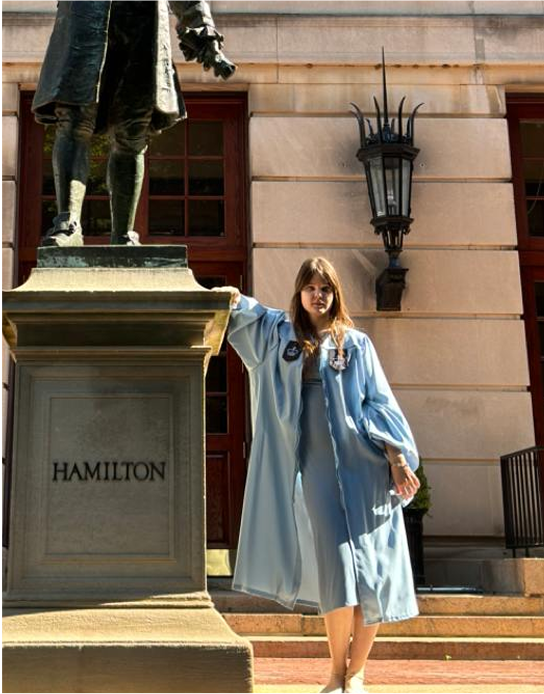
I was accepted to the PhD program at Columbia University on my first try, having strengthened my profile and compiled my achievements into a strong application.

He entered a master’s program in the USA at two universities at once – Brandeis University and Washington University in St. Louis, receiving scholarships totaling $80,000. He chose Brandeis University and went to study on the first try.
She enrolled in graphic design at universities in France, Italy and Hungary. She received scholarships at all of them and chose the university with the maximum funding — $135,000 for the entire period of study.
She entered graduate school at Kent State University and Ohio University. At Ohio University, she won a Graduate Teaching Assistantship with full funding of $37,774, covering tuition, insurance, and living expenses.

He entered Siena Heights University (USA) for the Theater and Music program with a full scholarship of $170,000. Preparation took less than a year.
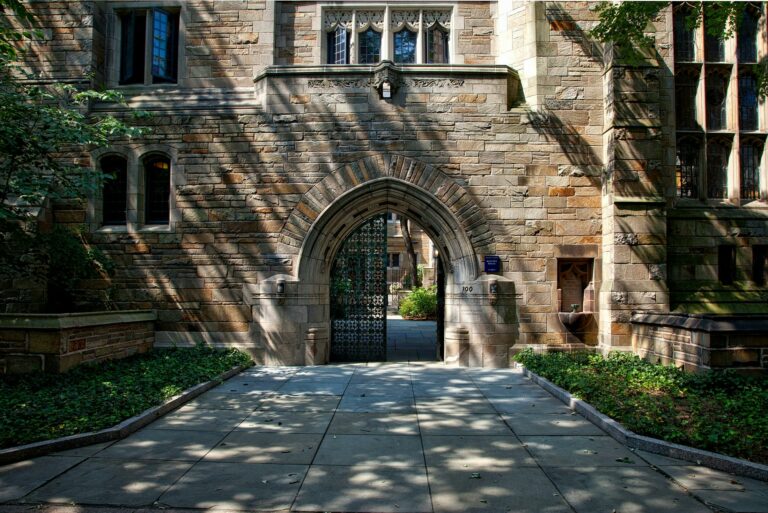





«I didn’t know what I wanted to study for, and I was given an appointment with a career guidance counselor. We chose medicine, which I am very happy about»

 Video review of Diora
«Try, work and trust! Don’t be afraid to trust, I trusted the SelfStartGlobal team and haven’t regretted it for a minute»
Video review by Anastasia
«If you are in doubt about where to go, worried that it won’t work out, then what are you waiting for? Come for a consultation with an expert»
Video review by Anastasia
«There are many companies on the market that help with studying abroad, but no one does it as comprehensively as SelfStart»
Review by Egor
«I am currently in 11th grade at a school in Kyiv, but I have already been admitted to a U.S. bachelor’s program and received a 100% scholarship»
Feedback from Ksenia
«I was looking for information on how to apply to a university and came across many webinars. One of them was hosted by Radmila»
Video review by Leonid
«The main thing is the match with the university. I didn’t look at rankings, but at how well the university fit my profile and goals»
Review by Leila
«Now a new best life is beginning, full of victories and adventures. This is absolute happiness, and I wish it to everyone»
Video review from Ksenia
«I liked that the company focuses on developing a personal brand, as this is important for admission to the USA»
Elina's video review
«With SelfStartGlobal support, you will always know: what to do, why to do it and when to do it. This saves a lot of time»
Video review by Igor
«We started preparing a year in advance, and this was not enough. To have a good profile, you need to spend several years being active»
Sabrina's video review
«I liked that we had constant contact with Ksenia (curator). I needed clear deadlines - I myself would start to grab onto everything at once»
Video review from Sofia«It took me a while to realize I'd been accepted. It was an unforgettable experience, one I wish everyone who dreams of studying abroad could experience»
Alina's video review«Don't waste your time choosing an admissions company; I've done it for you. Just contact SelfStartGlobal – they'll help you»
Video review by Lazizbek«At first, the university refused me a scholarship, but my supervisor helped me write a letter, after which I received a 100% scholarship»
Video review by Natalia«Among all the companies in the admissions market, SelfStartGlobal places an emphasis on distinguishing students from other candidates»
Video review by Lilia«When I started, I knew absolutely nothing about applying abroad: no deadlines, no documents, nothing!»
Video review by Ruslan
«There were many questions during the process, but they helped me in everything, supported me and convinced me that I was on the right path. I think this is the most important thing»
Video review from Kamola
«I liked that the connection was constant. I received answers to all my questions within a day and even faster»
Video review by Alevtina«What I liked most was the structure and organization. I am the kind of person who sees the goal, but does not see the path to implementation»
Video review by Alesya«I dropped out of law school in my homeland, although I didn’t pay a penny, because I received simply disgusting knowledge, reproaches and other attributes of education in our country»
Anna's video reviewVideo review from Valeria«I’m an ordinary girl, but I managed to get into 2 Ivy League universities, get a 100% scholarship from the University of Chicago (top 6 in the USA), which is just like a dream come true»
Video review from Victoria
«At the beginning of my journey, the admission process seemed somewhat complicated, but with my mentor, I received a clear plan that helped me get closer to my goals»
Video review from Daria«I got into a top university thanks to the way I presented myself in my motivation essay, CV, and letters of recommendation»
Video review by DariaI entered a top university thanks to the correct presentation of me in a motivational essay, CV, and letters of recommendation.
Video review from DariaDayana's video review«My minus is that I often don’t meet deadlines. But with SelfStartGlobal, I always knew that they would help me and that we would do everything in time»
Camilla's video review
«I already had an unsuccessful experience of entering the USA - then it turned out that just good grades are not enough. Now I decided to work with the team»
Alena's video review«With the SelfStartGlobal curators, all my questions disappeared, because I saw the system, structure and strategy that they build for each student»
Video review from Nadezhda«Now I am studying in the 11th grade of a school in Kyiv, but I have already managed to enroll in a bachelor’s degree at a US university and received a 100% scholarship»
Video review from Ksenia
«Perhaps I would have done it myself, but I would not have been able to receive such generous funding as with SelfStartGlobal. Don't be afraid! Take risks, take action, and everything will work out»
Video review by KarinaTo enter American universities in my specialty, good grades (which, by the way, I didn’t have) are not enough; achievements are also needed. Lisa and other curators helped complete the profile.
Video review by Sergei«That very moment when the dream became reality... I fulfilled my biggest dream - I entered a US university!»
Video review from Sofia«My case is not easy, since I am 29 years old, and my bachelor’s degree is in philology, and I entered the master’s program in psychology»
Tamara's video review
Leave your contacts — our consultant will get in touch
