




 Business Management: What is this specialty, what jobs are available, and how to apply for the program?

She enrolled in Fashion PR programs at five US universities


Berkeley, California, USA · University of California, Berkeley is the strongest state university in the USA and one of the best in the world. Berkeley is ranked #12 in the world by QS 2026 and #1 among US public universities by US News — for the 16th time in the last two decades. At the same time, Berkeley remains a public university: this means a different logic of admission, a different funding structure and a fundamentally different scale of the student environment compared to private universities of a similar level. For a foreign applicant, this is one of the most affordable ways to a world-class education in the USA.
The University of California, Berkeley was founded in 1868 as the flagship campus of the University of California system. From the very beginning, the university was conceived as a publicly accessible institution of knowledge — a place where the quality of education should not be determined by one’s origin or wealth. This mission is still upheld today.
The campus is located in the city of Berkeley, a 25‑minute drive from San Francisco and a 40‑minute drive from Silicon Valley. Berkeley students have interned at Google, Apple, Meta, Salesforce, McKinsey and hundreds of other companies during their studies.
107 Nobel laureates, alumni and faculty, are affiliated with Berkeley. Among them, J. Robert Oppenheimer (led the Manhattan project) and Ernest Lawrence (invented the cyclotron, through which Berkeley scientists discovered the 16 chemical elements of the periodic table). According to PitchBook 2025, Berkeley ranks No. 1 in the world in terms of the number of startups founded by undergraduate graduates — outpacing Stanford and MIT.
Notable alumni include Steve Wozniak (co‑founder of Apple), Gordon Moore (co‑founder of Intel), Eric Schmidt (former CEO of Google), Janet Yellen (U.S. Treasury Secretary), and Robert Reich (former U.S. Secretary of Labor).
The cost at Berkeley is fundamentally different from that of private universities: it depends on the California resident status.
Bachelor’s degree (international students / non‑residents of California): $48,726 per year (tuition + fees, 2025–2026)
Bachelor’s degree (residents of California): $15,978 per year — international students cannot use this rate; obtaining resident status for the purpose of payment is extremely difficult
Master’s degree / professional programs (international students): tuition + mandatory Nonresident Supplemental Tuition (NST) of $15,102 per year + program fees. Haas MBA, Berkeley Law, and a number of other professional schools are charged separately — at a higher rate than the standard rate.
Doctoral studies: most PhD programs are fully funded — scholarships, tuition coverage, and insurance.
This is significantly lower than at most private universities of comparable level — with the same research infrastructure and reputation.
UC Berkeley comprises 14 colleges and schools:
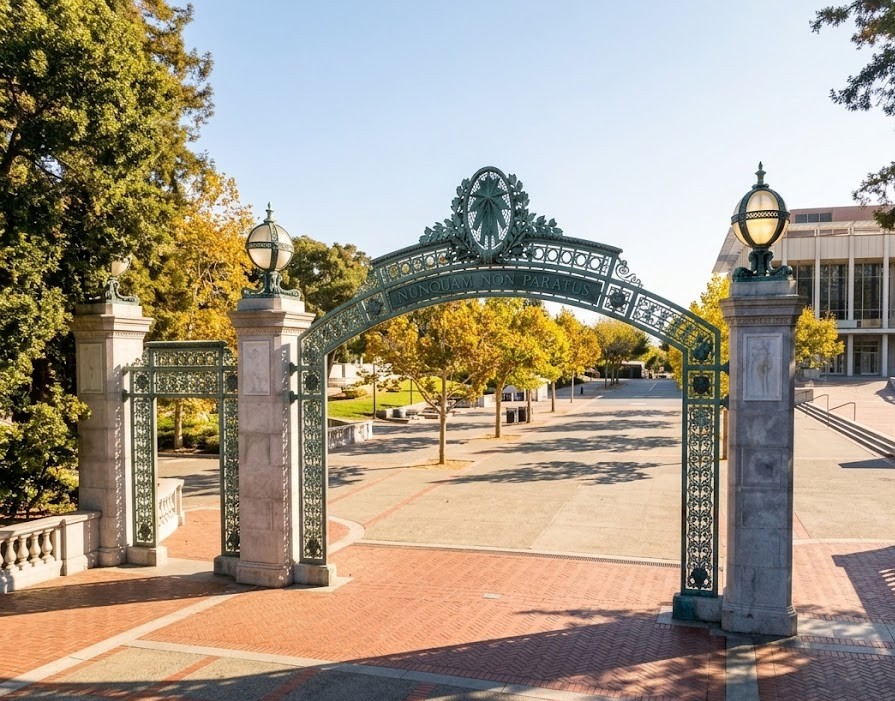
The Berkeley campus covers 1,222 acres in the hills above San Francisco Bay. The main development is concentrated in the central part — from the famous Sather Gate to the Campanile (the university bell tower, visible from most points in the city). Berkeley itself is a dense university town, where the boundary between the campus and the urban environment is virtually non‑existent: bookstores, coffee shops, and startup offices alternate with faculty buildings.
Approximately 25% of undergraduate students live on campus, including about 95% of freshmen. The university guarantees housing for freshmen; upperclassmen mostly rent accommodation in Berkeley and the surrounding areas of Oakland. There are more than 1,000 student clubs and organizations on campus — from academic societies to political movements, cultural associations, and entrepreneurial hubs.
Berkeley has historically been known for its active social life: it was here that the Free Speech Movement emerged in 1964, transforming American universities. This spirit of intellectual independence persists. Berkeley participates in NCAA Division I as a member of the Big Ten Conference. Rowing, gymnastics and athletics teams regularly take prizes at national competitions.
UC Berkeley admits approximately 11.43% of applicants (class of 2029). For certain fields — EECS, bioengineering — the actual acceptance rate is significantly lower. An important feature: Berkeley does not use the Common App — applications are submitted via the UC Application with a deadline of November 30 (which precedes most other university deadlines).
The application is submitted to a specific faculty. The competition, the average GPA of admitted students, and the requirements vary significantly depending on the specialty.
Full transcript of school grades. AP, IB courses and specialized subjects corresponding to the chosen major are valued.
The UC Application requires four short essays: the applicant selects four out of eight provided questions and answers each in 150 words. The essays are read carefully — they allow the admissions committee to see the person behind the grades.
For bachelor’s degrees via the UC Application — not required. For master’s and PhD degrees — required.
Berkeley evaluates the depth of engagement, not the length of the list. Research projects, Olympiads, leadership positions, entrepreneurial initiatives.
UC Berkeley — test-blind: SAT and ACT are not accepted or considered at all. This is a fundamental difference from most top universities, including all private universities in our cycle.
A single tour for everyone: November 30. Berkeley does not offer Early Action or Early Decision.

For international applicants, the standard package includes: transcripts with an official translation, TOEFL (minimum 80 iBT, 100+ recommended) or IELTS (minimum 6.5, 7.0+ recommended), and four essays answering the Personal Insight Questions.
A critically important nuance for international students regarding financial aid: unlike many private universities, Berkeley, as a public university in the state, does not provide institutional need‑based grants to international students (non‑residents). Berkeley’s official financial aid website explicitly states: “institutional funds to cover nonresident expenses are not available.” This means that international students need to cover the full cost of their education themselves or look for external scholarships (government programs in their country of origin, foundations, corporate grants). PhD programs are an exception: they are fully funded through departmental fellowships and GSI/GSR assistantships.
A portfolio will be required for certain creative fields (architecture, design, music) through the College of Environmental Design or the Department of Music.
Berkeley allocates more than $1 billion in financial aid to students each year — one of the largest such packages among universities in the United States. About two‑thirds of students receive some form of financial support, and 38% of students do not pay anything for tuition thanks to grants and scholarships.
However, almost all of this aid is intended for California residents and U.S. citizens. For international bachelor’s students:
That is why, for international students, Berkeley is most often considered either in conjunction with external scholarships (for example, government programs) or at the PhD level with full funding.
The median salary of Berkeley graduates six years after graduation is $74,919 (US News). Among the employers that actively recruit on campus are: Google, Apple, Meta, Salesforce, McKinsey, Goldman Sachs, and Bain.
According to PitchBook 2025, Berkeley ranks No. 1 in the world in terms of the number of startups founded by undergraduate graduates — outpacing Stanford and MIT. The SkyDeck student accelerator regularly ranks among the top 5 best university accelerators in the world. Berkeley graduates have founded more than 25,000 companies with a total market capitalization exceeding 1 trillion dollars.
The Berkeley alumni network spans more than 600,000 people worldwide — one of the largest university alumni networks. The Berkeley Alumni Network is known for its high level of activity, especially in the technology and government sectors.
Berkeley is affiliated with 107 Nobel laureates and 23 Turing Award winners (the equivalent of a Nobel Prize for computer science) — more than most countries in the world. Berkeley researchers have discovered 16 chemical elements from the periodic table (including berkelium, californium, and lawrencium), which is an absolute record among scientific institutions.
The annual volume of external funding for Berkeley research exceeds 1 billion dollars. Among the key research institutions are: Lawrence Berkeley National Laboratory (LBNL) — a national laboratory of the U.S. Department of Energy, affiliated with the university and open to student research; Mathematical Sciences Research Institute (MSRI); Space Sciences Laboratory.
In 2026, Berkeley topped the US News ranking in 9 subject areas at once, including English, psychology, computer engineering, and AI programs. Undergraduate students can participate in real research starting from their first year through the Undergraduate Research Apprentice Program (URAP) — more than 1,500 students participate in the program each year.
Berkeley is the only university in the world whose researchers discovered 16 chemical elements from the periodic table.
UC Berkeley is test‑blind: SAT and ACT scores are not accepted at all — it’s one of the few top schools in the world with this policy.
According to PitchBook’s 2025 data, Berkeley ranks No. 1 in the world in terms of the number of startups founded by bachelor’s degree graduates — outpacing Stanford, MIT, and all the Ivy Leagues.
It was at Berkeley that the Free Speech Movement emerged in 1964, the first mass student movement in U.S. history that changed the rights of students at American universities.
EECS (Electrical Engineering and Computer Sciences) is Berkeley’s most competitive program: the acceptance rate is around 1–4%, and the list of graduates includes dozens of founders of major technology companies.
Gordon Moore is a co‑founder of Intel and the author of “Moore’s Law” — a graduate of Berkeley (Chemistry, 1950). His fundamental observation about the growth of computing power underpins modern microelectronics.
Getting into Berkeley is a separate strategy. The university uses its own UC Application platform, its own essays, and its own selection criteria, which differ from the logic used by private universities. At SelfStartGlobal, we help:
Our students have already received scholarships worth more than $55 million.
If you want to enroll at UC Berkeley, come to a free consultation. We’ll explain how it works in your specific case.
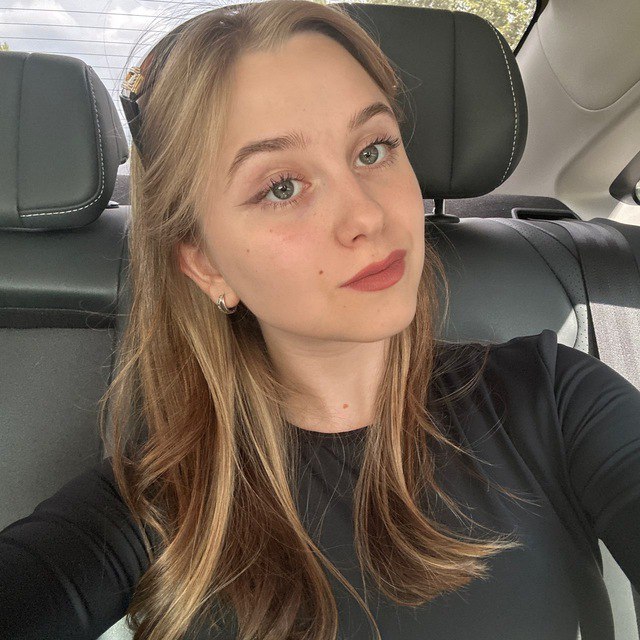
She enrolled in Fashion PR programs at five US universities

She was admitted to three American universities at once: Augustana College, Widener University, and the University of South Dakota. She chose Augustana College, where she received a scholarship of $45,000 per year.

He entered a master’s program in the USA at two universities at once – Brandeis University and Washington University in St. Louis, receiving scholarships totaling $80,000. He chose Brandeis University and went to study on the first try.
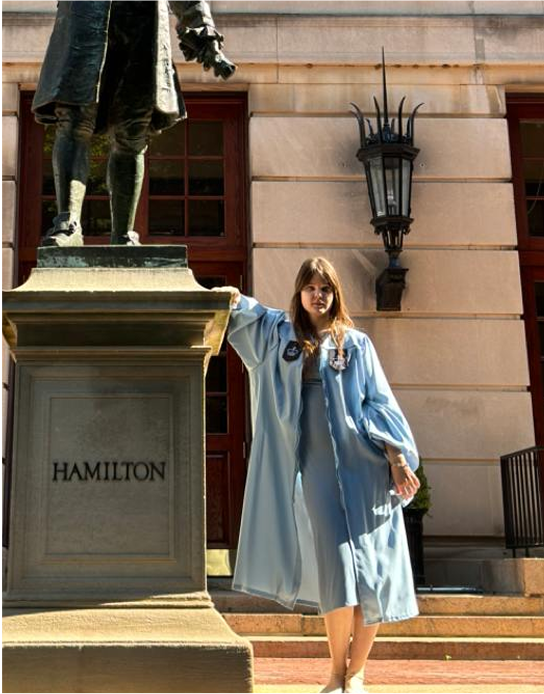
I was accepted to the PhD program at Columbia University on my first try, having strengthened my profile and compiled my achievements into a strong application.
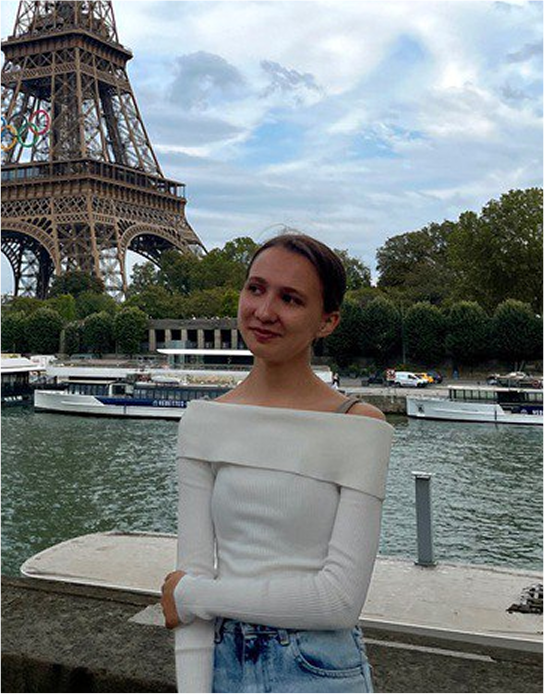
She enrolled in graphic design at universities in France, Italy and Hungary. She received scholarships at all of them and chose the university with the maximum funding — $135,000 for the entire period of study.

She entered graduate school at Kent State University and Ohio University. At Ohio University, she won a Graduate Teaching Assistantship with full funding of $37,774, covering tuition, insurance, and living expenses.

He entered Siena Heights University (USA) for the Theater and Music program with a full scholarship of $170,000. Preparation took less than a year.

Got accepted to NYU Abu Dhabi on the first try (acceptance rate 4%) with a scholarship of $217,000. Also received offers from Lynn and Drexel University.

Leave your contacts — our consultant will get in touch
