




 Study Abroad: How to Apply and What to Expect After Graduation


She enrolled in Fashion PR programs at five US universities


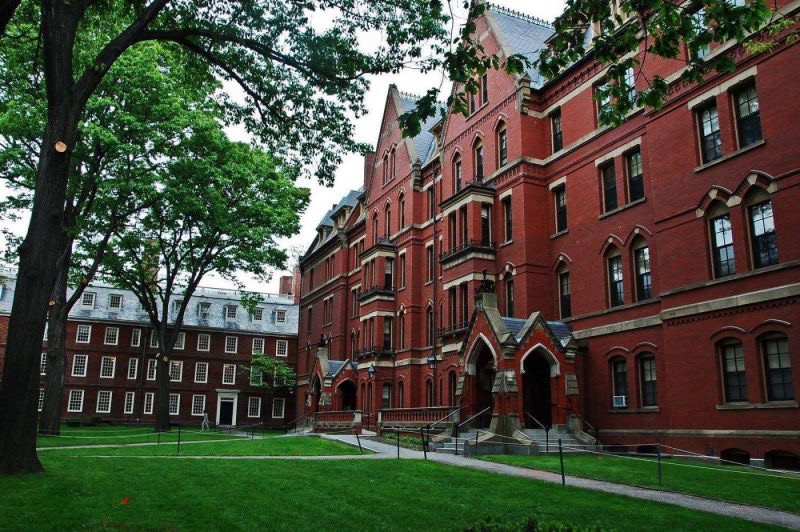
USA, Massachusetts, Cambridge · For many applicants, the word Harvard is practically synonymous with "impossible." In fact, getting into Harvard University is possible; this school annually opens its doors to talented and motivated students from all over the world. Yes, an invitation from Harvard is the result of a well-thought-out strategy: a strong academic foundation, a compelling essay, a well-compiled application package, and an understanding of how the Harvard admissions system works. When our experts are asked, "Is it possible to get into Harvard?" they honestly answer, "Yes, it is!" It's difficult, and the competition is fierce, but for candidates with a strong profile and competent support, this goal is achievable, and admission is possible with a partial or full scholarship.
Princeton University was founded in 1746 and is one of the oldest and most prestigious universities in the United States. Located in Princeton, New Jersey, it is a member of the Ivy League, which unites elite educational institutions. The university provides funding for undergraduate and doctoral studies, and some master’s programs are completely free.
Harvard University is one of the oldest and most prestigious in the world. Founded in 1636, it is a member of the Ivy League, a group of the highest-ranked US universities. Its campus is located in Cambridge, Massachusetts.
Harvard’s alumni are renowned worldwide. U.S. presidents, founders of major companies and corporations, Nobel laureates, leaders of international organizations, and Supreme Court justices have studied here.
Here are a few more reasons why a Harvard degree is considered the benchmark:
Attending Harvard University means gaining access to the best resources and radically changing the trajectory of your life.
The question “How to get into Harvard” seems overwhelming until you break it down. The step-by-step admissions process looks like this:
First, you need to decide on your level of study:
Admission to Harvard requires a high GPA, placements in academic competitions and Olympiads, participation in, and possibly the creation of research projects. Let’s be honest—A’s alone aren’t enough; it’s important to demonstrate who you are, your goals, and your plans for studying at your chosen university.
Undergraduate programs typically require the SAT/ACT, TOEFL, or IELTS. Graduate programs typically require the GMAT, GRE, LSAT, and other tests, depending on the program.
The admissions committee needs to understand who you are as a person: what you believe in, what problems you want to solve, and what you’re already doing to achieve them. A motivational essay is a story about you. The answer to the question “How to get into Harvard University” depends 50% on how you tell your story.
In addition to the essay, you will need a resume, a portfolio (not for all programs), and letters of recommendation from people who actually know you: teachers, academic supervisors, and employers.
Applications must be submitted through the Harvard Admissions Portal. Some stages involve an interview with an alumnus or university representative, where the applicant’s motivation, maturity, and potential are assessed.
For undergraduate studies at Harvard College, the following are traditionally considered: GPA (grade point average) from your high school diploma or transcript; SAT or ACT (general academic test).
For graduate and professional schools: GRE (for master's and PhD programs); GMAT (for some Harvard Business School programs); LSAT (for Harvard Law School).
TOEFL/IELTS for international students.
Letters of recommendation that highlight your success, dedication, and leadership qualities.
The main document that reveals your personal history, demonstrates your goals and ambitions.
Demonstrates your real achievements, experience and developments.
It’s impossible to say for sure whether Harvard has a passing score, as there’s no universal “minimum.” However, the average scores of admitted students are usually in the top 5-10% of all applicants. This means you should aim for very high scores.
The logical next question is: “Can I get into Harvard on a budget?” There’s no traditional “budget” system, like in some countries. However, there is a need-based financial aid system, through which the university can cover up to 100% of tuition and living expenses.
Important! Aid is calculated individually, taking into account family income, number of children, country of residence, and other factors.
This means that a student with a strong academic profile and a strong application can enroll at Harvard and pay significantly less tuition or even study for free.
We help our students:
There are cases where students from families with typical incomes received 80% to 100% of their funding at Harvard.

How much does it cost to study at Harvard? Officially, the annual undergraduate tuition at Harvard ranges from $55,000 to $65,000. Additional expenses include:
In total, the cost of studying at Harvard without financial aid can reach $75,000 to $80,000 per year. This is a significant sum, and for this reason, we often receive inquiries about admission to Harvard on a scholarship or, as we’ve already discussed, on a scholarship.
Harvard is a network of faculties and schools. The university offers over 140 programs of study, including undergraduate, graduate, and PhD programs.
Popular Harvard University faculties:
Economics, biology, computer science, history, psychology, international relations and others.
Prepares researchers and managers in the field of education.
One of the most prestigious business schools in the world, it trains future entrepreneurs and leaders of major corporations.
Graduates serve as U.S. Supreme Court justices and attorney generals around the world.
A flagship in medical research, biotechnology and public health.
Future ministers, diplomats and UN experts are trained here.
Studying at Harvard for a master’s degree is a dream for many. Programs are designed for those who already have a bachelor’s degree and want to advance in academia, business, science, or public administration.
Harvard Master’s Program Features:
Popular master’s programs:
Harvard’s master’s degree is valued not only for its high-quality education but also for its social mobility. Graduates gain access to a global alumni network and career opportunities at world-class corporations such as Google, Goldman Sachs, and the UN.
You can study at Harvard without leaving your home country. Harvard Extension School, an official division of the university, offers distance learning.
Harvard Extension School programs include:
This opportunity is suitable for students who want to experience a Harvard education in practice, improve their English, and strengthen their portfolio for application to the main program.
Cambridge is a small town with a lot of energy. The spirit of scholarship is literally in the air: on Harvard’s campus, you’ll find students from all over the world, and MIT is just down the street.
What makes student life unique here:
Studying at Harvard University is a place where students learn to think big and have the opportunity to choose their future.
The path to Harvard University requires strategy, self-confidence, and expert guidance. We’ll help you navigate this path without making mistakes:
We analyze the academic profile, select the optimal program, and help identify target faculties and scholarships.
We provide consultations on exams (SAT, TOEFL, IELTS, GRE, GMAT) and create an individual preparation schedule.
We will put together a complete application package, including essay writing and editing, preparation of letters of recommendation, resume writing, and portfolio packaging.
We’ll create a strong personal brand to make your application stand out from the crowd.
We’ll help you apply for Harvard Financial Aid and assemble your visa application.

She enrolled in Fashion PR programs at five US universities

She was admitted to three American universities at once: Augustana College, Widener University, and the University of South Dakota. She chose Augustana College, where she received a scholarship of $45,000 per year.

Got accepted to NYU Abu Dhabi on the first try (acceptance rate 4%) with a scholarship of $217,000. Also received offers from Lynn and Drexel University.

He entered a master’s program in the USA at two universities at once – Brandeis University and Washington University in St. Louis, receiving scholarships totaling $80,000. He chose Brandeis University and went to study on the first try.
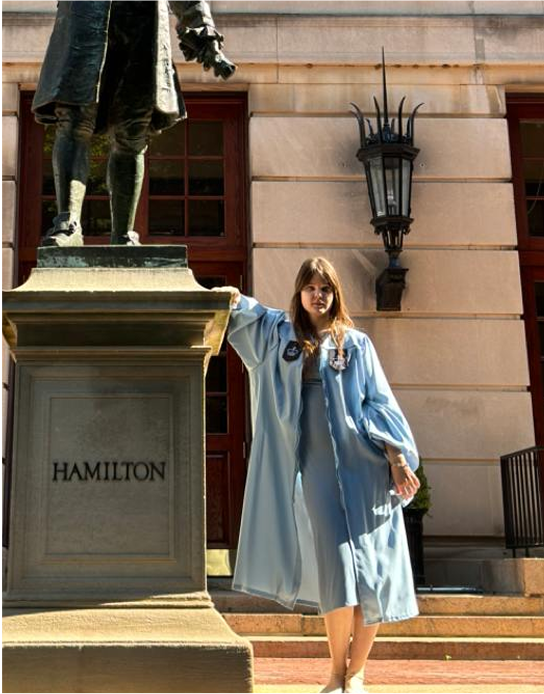
I was accepted to the PhD program at Columbia University on my first try, having strengthened my profile and compiled my achievements into a strong application.
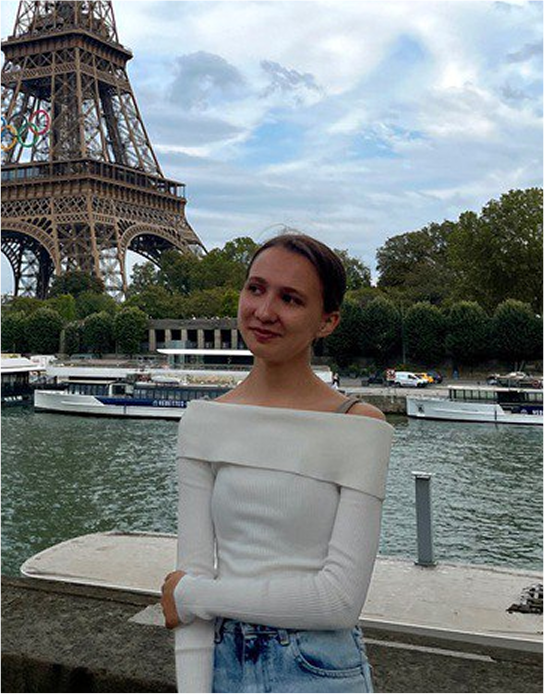
She enrolled in graphic design at universities in France, Italy and Hungary. She received scholarships at all of them and chose the university with the maximum funding — $135,000 for the entire period of study.

She entered graduate school at Kent State University and Ohio University. At Ohio University, she won a Graduate Teaching Assistantship with full funding of $37,774, covering tuition, insurance, and living expenses.

He entered Siena Heights University (USA) for the Theater and Music program with a full scholarship of $170,000. Preparation took less than a year.
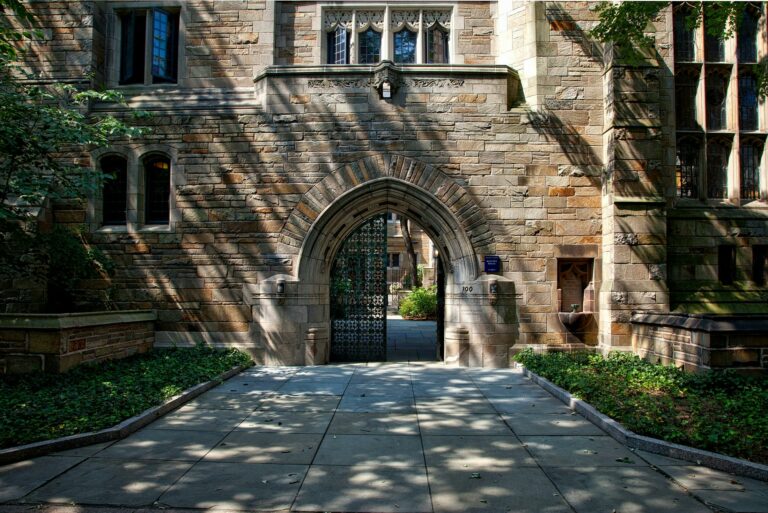





«I didn’t know what I wanted to study for, and I was given an appointment with a career guidance counselor. We chose medicine, which I am very happy about»

 Video review of Diora
«If you are in doubt about where to go, worried that it won’t work out, then what are you waiting for? Come for a consultation with an expert»
Video review by Anastasia
«Try, work and trust! Don’t be afraid to trust, I trusted the SelfStartGlobal team and haven’t regretted it for a minute»
Video review by Anastasia
«There are many companies on the market that help with studying abroad, but no one does it as comprehensively as SelfStart»
Review by Egor
«I was looking for information on how to apply to a university and came across many webinars. One of them was hosted by Radmila»
Video review by Leonid
«The main thing is the match with the university. I didn’t look at rankings, but at how well the university fit my profile and goals»
Review by Leila
«Now a new best life is beginning, full of victories and adventures. This is absolute happiness, and I wish it to everyone»
Video review from Ksenia
«I am currently in 11th grade at a school in Kyiv, but I have already been admitted to a U.S. bachelor’s program and received a 100% scholarship»
Feedback from Ksenia
«I liked that the company focuses on developing a personal brand, as this is important for admission to the USA»
Elina's video review
«With SelfStartGlobal support, you will always know: what to do, why to do it and when to do it. This saves a lot of time»
Video review by Igor
«We started preparing a year in advance, and this was not enough. To have a good profile, you need to spend several years being active»
Sabrina's video review
«I liked that we had constant contact with Ksenia (curator). I needed clear deadlines - I myself would start to grab onto everything at once»
Video review from Sofia«It took me a while to realize I'd been accepted. It was an unforgettable experience, one I wish everyone who dreams of studying abroad could experience»
Alina's video review«Don't waste your time choosing an admissions company; I've done it for you. Just contact SelfStartGlobal – they'll help you»
Video review by Lazizbek«At first, the university refused me a scholarship, but my supervisor helped me write a letter, after which I received a 100% scholarship»
Video review by Natalia«Among all the companies in the admissions market, SelfStartGlobal places an emphasis on distinguishing students from other candidates»
Video review by Lilia«When I started, I knew absolutely nothing about applying abroad: no deadlines, no documents, nothing!»
Video review by Ruslan
«There were many questions during the process, but they helped me in everything, supported me and convinced me that I was on the right path. I think this is the most important thing»
Video review from Kamola
Leave your contacts — our consultant will get in touch
