USA
A private research university in the United States, founded in 1636. Considered one of the most prestigious universities in the world, it is known for its strong programs in law, business, medicine, engineering, and social sciences, its high student selection rate, and its robust financial aid system.
Bachelor's degree: $80,000 – $87,000 per yearMaster's degree: $62,000 - $70,000 per yearDoctoral studies: from $30,000 - $60,000 per year
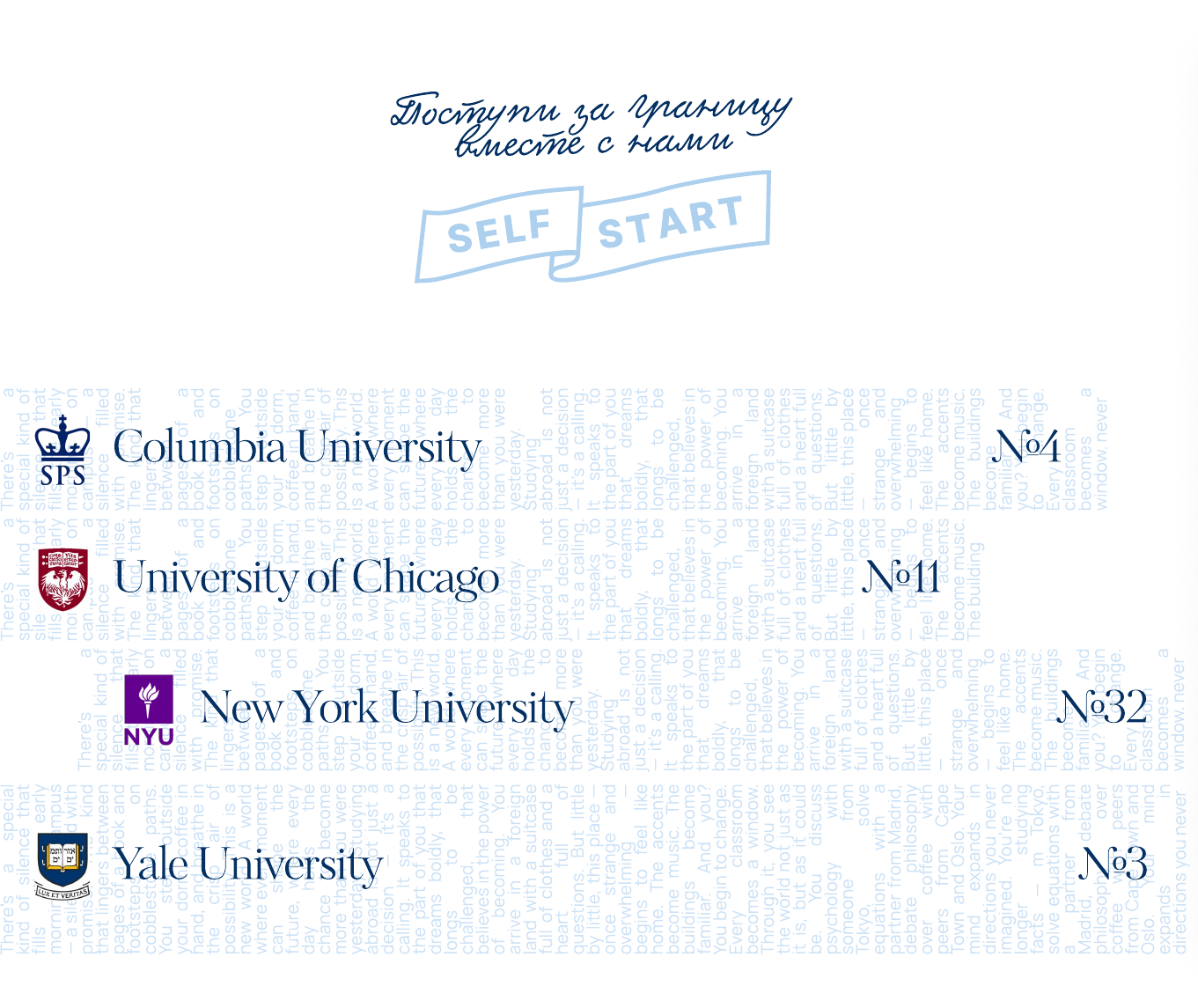
Columbia University
USA
A prestigious Ivy League university located in the heart of New York City. Offers strong programs in business, journalism, international relations, and engineering, as well as broad career opportunities
Bachelor's: $72,800 per year (tuition, 2026/27)Master's: $50,000–$70,000 per yearPhD: usually fully funded (tuition + stipend)
United Kingdom
Bachelor's degree: about $60,000 per yearMaster's degree: average $58,000 per yearDoctoral studies: free*
United Kingdom
Bachelor's: £42,700 – £45,500 per year (Medicine £58,600)Master's: about £40,000 – £50,000 per yearPhD: about £26,500 – £32,300 per year
United Kingdom
King's College London is a public research university in London, England, with a long academic history and high level of research activity. It is a member of the prestigious Russell Group, an association of leading British research universities.
Undergraduate: £24,000 – £40,000 per yearMaster's: £23,000 – £40,000+ per yearPhD: £28,150 – £32,600 per year
Netherlands
A modern university in the Netherlands, known for its innovative Problem-Based Learning (PBL) approach. Popular among international students, especially in business, economics, law, and healthcare
Bachelor's degree: from €9,000 to €15,000 per yearMaster's degree: from €10,000 to €18,000 per yearDoctorate: free or about €2,500 per year
Massachusetts Institute of Technology
USA
The Massachusetts Institute of Technology is a leading private research university in the United States, located in Cambridge, near Boston. MIT is a global leader in engineering, computer science, artificial intelligence, economics, and fundamental science. The university is known for its strong focus on practice, scientific research, startups, and technological innovation.
Bachelor's: $66,720 per year (tuition, 2026/27)Master's: $66,720 per year (standard graduate tuition)PhD: usually fully funded (tuition + stipend)
Germany
The Technical University of Munich (TUM) is Germany's leading public technical university in Munich, known for its strong programs in engineering, computer and natural sciences, high level of research and excellent graduate employability opportunities.
Bachelor's degree: semester fee €85 – €100Master's degree: semester fee €85 – €100PhD: semester fee €85 – €100
University of Michigan
USA
The University of Michigan at Ann Arbor is the "Michigan" people usually think of when they think of one of the strongest public universities in the United States.
United Kingdom
Oxford University is one of the oldest and most prestigious universities in the world, founded in the 12th century. The university is renowned for its strong programs in the humanities, natural sciences, and social sciences, high-quality academic research, and international recognition.
Undergraduate: £28,000 – £45,000 per yearMaster's: £28,000 – £48,000 per yearPhD: £26,000 – £35,000 per year
USA
One of the most prestigious universities in the United States, part of the Ivy League. Strong in natural sciences, engineering, economics, and the humanities. Known for a high level of academic support and generous scholarships
Bachelor's degree: about $60,000 per yearMaster's degree: average $58,000 per yearDoctoral studies: free*
France
Paris Sciences et Lettres University (PSL) is a prestigious public research university in Paris, uniting France's leading universities and research institutes. The university is renowned for its high-quality education, strong programs in science, engineering, economics, and the humanities, as well as its strong international reputation and excellent career prospects for its graduates.
Bachelor's degree: approximately €2,770 per yearMaster's degree: about €3,770 per yearPhD: about €494 per year
Free University of Amsterdam
Netherlands
Vrije Universiteit Amsterdam is a public research university in Amsterdam, the Netherlands, with approximately 25,000 students. Its strengths include economics, business, law, psychology, social and natural sciences, and medicine. It has a modern campus in Amsterdam-Zuid and offers a variety of scholarships for international students.
Bachelor's degree: €8,000 – €13,000 per yearMaster's degree: €22,000 – €34,000 per yearPhD: about €8,000 per year
France
Bachelor's degree: about $60,000 per yearMaster's degree: average $58,000 per yearDoctoral studies: free*
UNC Chapel Hill (University of North Carolina at Chapel Hill)
USA
The University of North Carolina at Chapel Hill, or UNC Chapel Hill for short, is one of the most renowned public research universities in the United States.
USA
A large public research university in the United States with a high academic ranking. Offers a wide range of programs, strong STEM fields, and more affordable tuition compared to private universities
Bachelor's degree: from $55,000 per yearMaster's degree: $15,000 - $40,000 per yearDoctoral studies: $10,000-$30,000 per year
France
Bachelor's degree: about €2,770 per yearMaster's degree: about €3,770 per yearPhD: about 380–450 € per year
South Korea
Bachelor's degree: $6,400 to $11,800 per yearMaster's degree: from $8,000 to $14,000 per yearDoctoral studies: from $7,000 to $12,000 per year
South Korea
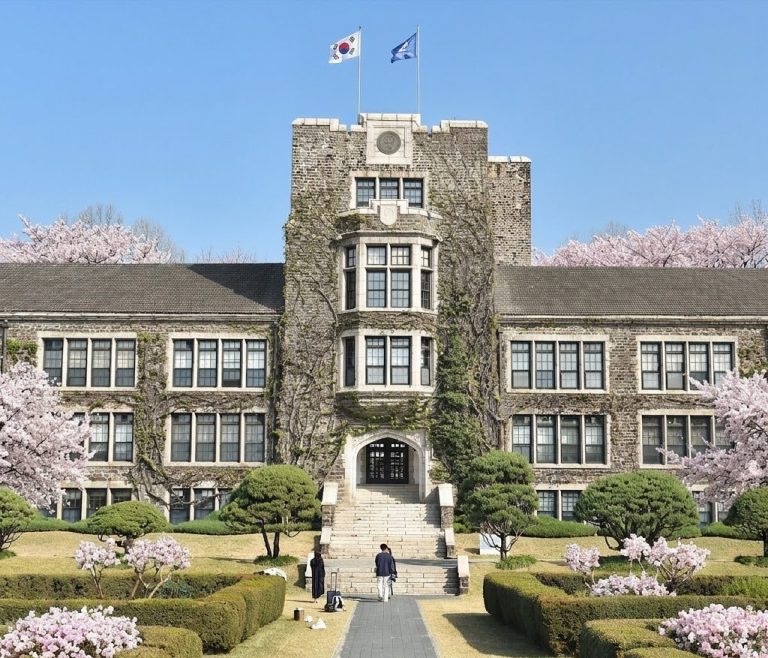
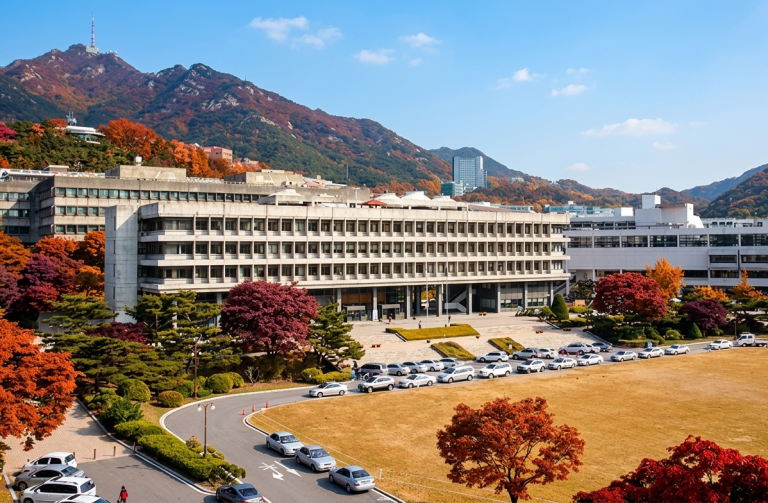
Seoul National University is South Korea’s leading national university, founded in 1946 by the merger of ten educational institutions in Seoul. It is part of the unofficial SKY trio, along with Korea University and Yonsei University. It attracts international students with strong programs in engineering, computer science, natural sciences, pharmacy, and international studies.
Bachelor's degree: $4,700 to $6,500 per yearMaster's degree: from $5,500 to $8,000 per yearDoctoral studies: from $4,500 to $7,000 per year
South Korea
Korea University is one of the leading private universities in South Korea, founded in 1905. It is included in the unofficial top three of SKY – the association of three of the country’s most prestigious universities together with Seoul National University and Yonsei University. It attracts foreign students with strong programs in engineering, computer science,…
Bachelor's degree: from $7,550 to $10,160 per hourMaster's degree: $9,000 to $13,000 per hourDoctoral studies: from $8,000 to $12,000 per hour
USA
Brown University is often called the most liberal university in the Ivy League—there are no required general education courses, and students design their own curriculum. This attracts applicants seeking not just a prestigious degree, but also the opportunity to pursue an unconventional academic path. The competition is also one of the most competitive in the…
Bachelor's degree: $74,568 per yearMaster's degree: from $9,320 per course (approximately $74,560 per year with a standard course load of 8 courses)Doctoral degree: from $9,320 per course (approximately $74,560 per year for a standard 8-course course load)
USA
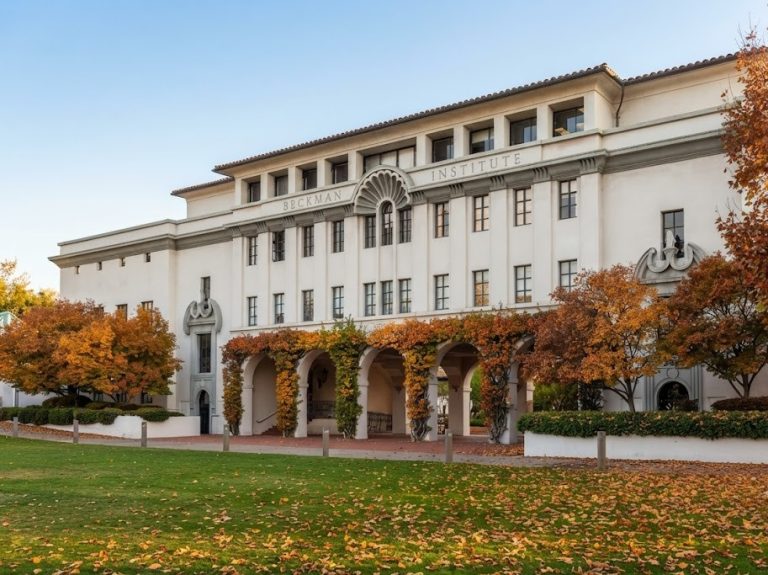
The California Institute of Technology is one of the most prestigious science and engineering universities in the world. Caltech specializes exclusively in science, engineering, and technology. Despite its small size—approximately 990 undergraduate students and 2,400 total students—the institute ranks among the top ten universities in the world according to all key rankings. Admission to Caltech…
Bachelor's degree: $65,622 per yearMaster's degree: $68,001 per yearDoctoral studies: $68,001 per year
USA
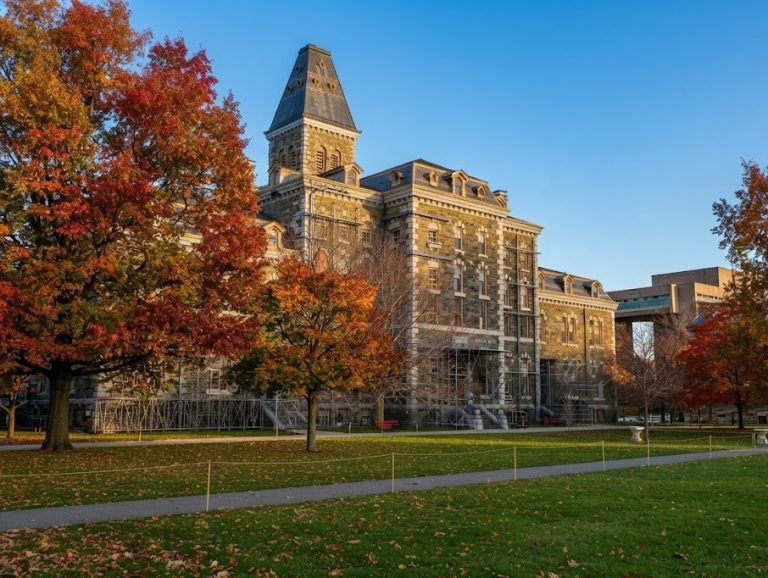
Cornell University is the only Ivy League university founded on the principle of educational access for all. Since its opening in 1865, it has combined research rigor with a practical focus, offering programs ranging from engineering and medicine to hospitality and architecture. Admission to Cornell requires strategy: the competition is fierce, but its application approach…
Bachelor's degree: $49,816 to $73,946 per yearMaster's degree: from $20,800 to $88,934 per yearDoctoral studies: $20,800 per year
USA
Dartmouth College is one of eight Ivy League universities and one of the oldest universities in the United States, founded in 1769. Despite the college status in its name, Dartmouth is a full-fledged research university with professional schools of business, medicine, and engineering. Its key feature is its small size and exceptional academic quality—approximately 4,570…
Bachelor's degree: $71,265 per yearMaster's degree: from $74,868 to $88,000 per yearDoctoral program: Fully funded - stipend of $49,862 per year + tuition and insurance coverage
Yale University
USA
Yale University is one of the oldest universities in the United States, founded in 1701, and one of eight Ivy League universities. In US News 2026, Yale ranks #4 among national universities—higher than all Ivy League universities except Princeton and Harvard. Yale Law School is the #1 law school in the United States almost every…
Bachelor's degree: $72,500 per yearMaster's degree: from $44,000 to $88,000 per yearDoctoral studies: Most PhD programs are fully funded
Vanderbilt University
USA
Vanderbilt University is one of the leading private research universities in the USA, consistently ranked in the top 20 of the US News national ranking. Located in Nashville, a city with a unique cultural identity and an actively developing technological and business ecosystem. Vanderbilt is known for its exceptionally generous financial aid system: starting in…
Undergraduate: about $66,000 per hourMaster's degree: from $22,000 to $67,000 per hourDoctoral studies: most PhD programs are fully funded
USA
The University of Saint Mary (USM) is a private Catholic university in Leavenworth, Kansas, a 45-minute drive from Kansas City. Founded in 1923. It is a small university with a strong practical orientation — about 1,500 students, a faculty-student ratio of 11:1, and more than 30 undergraduate programs. For foreign applicants, USM is a real…
Undergraduate: $36,936 per hourMaster's degree: $9,073 per hourDoctoral studies: payment by credit hours
Fudan University
China
Fudan University is one of the leading universities in China and Asia, founded in 1905. It is part of the C9 League, an elite association of nine leading Chinese universities, which is often compared to the American Ivy League. For foreign applicants, Fudan in Shanghai is a combination of a high academic level, an international…
Undergraduate: 23,000 to 40,000 RMB per hour (about 3,200-5,500 USD)Master's degree: about 28,000 to 50,000 RMB per hour (about 3,900-7,000 USD)Doctoral studies: about 30,000 to 55,000 RMB per hour (about 4,100-7,600 USD)
National University of Singapore
Singapore
The National University of Singapore is Singapore’s flagship university and the best university in Asia according to QS and THE. NUS is the only Asian university in the global QS top 10. Instruction is in English at all levels, from undergraduate to PhD. With 16 faculties and schools and 28 subject areas ranked in the…
Bachelor's degree: from 33,400 to 190,150 SGD per yearMaster's degree: from 37,900 to 75,210 SGD per yearDoctoral degree: from 40,300 SGD per year
University of Pennsylvania
USA
The University of Pennsylvania (UPenn) is one of eight Ivy League universities, founded in 1740 by Benjamin Franklin. It is the only Ivy League university originally conceived as a practical institution: Franklin created it to prepare people capable of solving real-world problems. In the US News Class of 2026 ranking, UPenn ranked #7 among national…
Bachelor's degree: $73,978 per yearMaster's degree: from $35,000 to $90,000 per yearDoctoral studies: Most PhD programs are fully funded
USA
The University of Chicago (UChicago) is one of the most intellectually demanding universities in the world. In the QS World University Rankings 2026, UChicago ranked #13 in the world — jumping 8 spots from #21 last year. UChicago consistently ranks among the world’s top 3 in economics and social sciences, and rightfully in the top…
Undergraduate: $73,266 per hourMaster's degree: about $68,652 per hourDoctoral studies: most PhD programs are fully funded
USA
Stanford University is one of the three or four best universities in the world according to all key ratings. Located in the heart of Silicon Valley, 50 kilometers from San Francisco. It was here that Google, Netflix, Yahoo, HP, LinkedIn, Instagram were founded – Stanford graduates and students changed the way the modern world is…
Bachelor's degree: $64,890 per hourMaster's degree: about $64,890Doctoral studies: most PhD programs are fully funded
Peking University
Canada
Bachelor's degree: 26,000 to 45,000 RMB per year (approximately 3,600–6,300 USD)Master's degree: from 29,000 to 188,000 RMB per year (about 4,000–26,000 USD)Doctoral studies: 32,000 to 60,000 RMB per year (approximately 4,500 to 8,400 USD) – most PhD students receive funding through CSC or university scholarships
Singapore
Bachelor's degree: SGD 26,200 to SGD 49,950 per yearMaster's degree: from 21,800 to 72,000 SGD per yearDoctoral degree: SGD 13,700 to SGD 40,300 per year
Tsinghua University
China
Bachelor's degree: from 26,000 RMB/ to 45,000 RMB/yearMaster's degree: from 29,000 RMB/ to 120,000 RMB/yearDoctoral studies: 29,000 to 45,000 RMB/year – most PhD students are funded through CSC, Tsinghua Fellowship, or professorial grants





 How to pack a suitcase: what to consider when moving to another country














 Spain
Spain Austria
 Germany
 Italy
Italy Portugal
 France