




 Study Abroad: How to Apply and What to Expect After Graduation

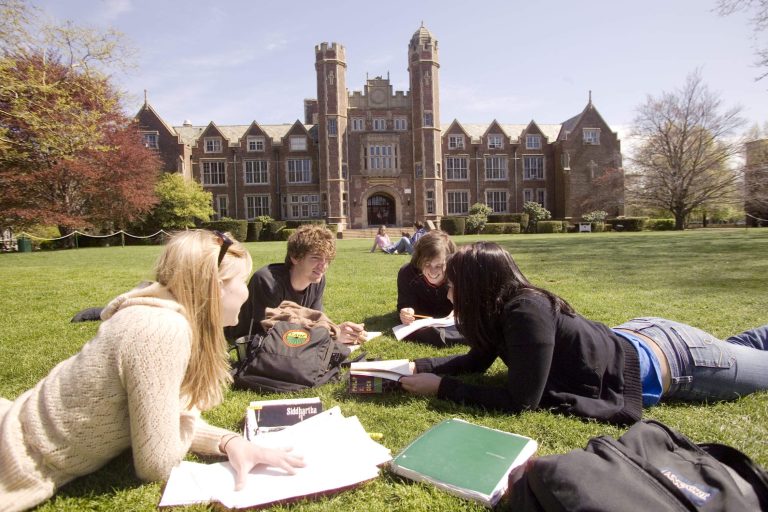
He entered Siena Heights University (USA) for the Theater and Music program with a full scholarship of $170,000. Preparation took less than a year.


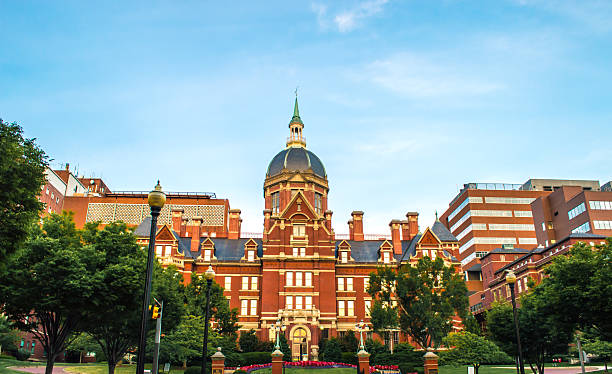
USA, Baltimore, Maryland · A leading American research university known for its cutting-edge achievements in medicine, life sciences, public health, engineering, and the humanities.
Johns Hopkins University was founded in 1876. It is renowned for its cutting-edge research in medicine and life sciences, strong programs in engineering, public health, and international relations. It is recognized as one of the best in the world for the number of scientific discoveries and the implementation of innovative solutions in medicine and technology.
Johns Hopkins University has a wide range of departments and schools that span academic and professional fields, from the natural sciences to business and advanced international studies.
Studies literature, history, philosophy, music and art. Major programs: History, English Literature, Philosophy, Music Theory and Composition.
Explores economic, political and social processes. Main programs: Political Science, Sociology, Economics, International Relations, Behavioral Sciences.
Focuses on the study of physical and biological phenomena. Major programs: Biology, Chemistry, Physics, Mathematics, Earth and Environmental Sciences.
Offers training in engineering and technology fields. Main programs: Biomedical Engineering, Chemical Engineering, Mechanical Engineering, Electrical and Computer Engineering.
Provides higher medical education and research in the field of medicine. Main programs: Doctor of Medicine (M.D.), Biomedical Sciences, Neuroscience.
Engaged in the study and prevention of public diseases. Main programs: Public Health, Epidemiology, Global Health.
Focuses on international relations, diplomacy and global politics. Major programs: International Relations, International Economics, Conflict Resolution.
Specializes in music education and performing arts. Main programs: Music Performance, Music Technology, History of Music.
Provides training for specialists in the field of education and pedagogy. Main programs: Education, Education Management, Special Education.
The Johns Hopkins University campus is located in Baltimore, Maryland, and occupies a large area that includes both modern and historic buildings. The campus is famous for its academic buildings, green parks, and paved walkways, creating a unique atmosphere for studying and relaxing.
Johns Hopkins University offers several undergraduate residence halls, including:
Each residence hall offers students single or shared rooms, shared kitchens, and lounge areas. Students can take advantage of laundry facilities, study areas, internet access, and organized activities to create a student community.
Both on-campus and off-campus housing options are available for graduate and doctoral students, including:
These apartment complexes offer private apartments or rooms with common areas, providing comfortable and convenient living for older students and their families.
The Johns Hopkins campus is guarded 24 hours a day, with security cameras, emergency phones, and regular patrols.
Students have access to libraries, computer centers, student centers, and gyms, making campus life comfortable and fulfilling. Resident assistants and coordinators help students with housing issues and actively engage them in social activities.
The university has several libraries, including the Homewood Campus Libraries and the Welch Medical Library, which offer access to extensive collections of books, scholarly publications, and digital resources. These libraries support all areas of research, from medicine to engineering to the social sciences.
Johns Hopkins provides students and researchers with cutting-edge laboratories and research centers, such as the Applied Physics Laboratory and the Center for Biotechnology Education. These facilities are equipped with the latest equipment for teaching and research in the fields of biomedicine, engineering, space technology, and other key areas.
The campus has several sports facilities, including gyms, swimming pools and sports fields for various sports. The university's sports clubs and teams allow students to participate in competitions and maintain an active lifestyle.
Cultural life on campus is supported by institutions such as the Peabody Institute, renowned for its music programs, and the Center for Social Concern, which offers educational and community programs.
Applications are submitted through the Common Application, Scoir, and Coalition platforms. Admission is extremely competitive: up to 7% of all applicants are accepted to the university. This means that the university carefully selects the best candidates, taking into account their academic and extracurricular achievements.
Documents:
Students can apply for Early Decision until November 1 or for Regular Decision until January 2.
The deadline for applications is January 2.
Early round results are announced in mid-December, regular round results in early May. The final decision is announced in early May. Accepted students must confirm their admission by June 1.
Some programs require an interview, which may be conducted on campus or via video link. The interview allows the university to better understand the candidate’s personality and motivation.
For admission to programs related to art, design or architecture, it is necessary to provide a portfolio with examples of work. The portfolio should demonstrate the candidate's creativity and skills.
Some programs may include additional competitions or examinations. For example, music programs may require auditions, and literature programs may require writing samples.
The Johns Hopkins University curriculum focuses on innovation and interdisciplinary approaches. Students have the flexibility to shape their curriculum by choosing courses that match their academic interests and career goals. The university offers a variety of learning formats: lectures, seminars, labs, and research projects, which promotes deep study of disciplines and the development of independent research skills.

Bachelor’s degree: $63,340 per year.
Master’s degree: $65,956 per year.
Doctorate: $65,000 per year.
The tuition fees at Johns Hopkins University are high, but they can be fully or partially covered by scholarships and grants. They are awarded on the basis of financial need (need-based) and for research achievements. The university does not provide academic scholarships (Merit-based scholarships).
Available to students who need financial support to cover tuition and living expenses.
To receive need-based scholarships, students must complete financial aid applications, providing information about their family income and other financial obligations.
The University uses a comprehensive approach to assess the needs of each student and offers financial aid packages that may include grants, scholarships, student loans, and on-campus work opportunities.
Important! The University adheres to a “need-blind” policy, which means that a student’s financial situation does not affect the admissions decision.
These grants are designed to support students in pursuing their research ideas and projects. They cover equipment, materials, travel to conferences, and other research-related expenses.
To receive a research grant, students must submit an application describing their research project, its objectives, and expected results.
Typically, they are also required to provide recommendations from faculty and project supervisors, as well as evidence of previous research achievements.
To receive a scholarship, a student must complete the following steps:
Check out the terms and requirements of each scholarship on the official Harvard website.
Gather necessary documents, including academic records, recommendations, test scores, and financial information.
Check out the terms and requirements of each scholarship on the official Harvard website.
In some cases, especially for research fellowships, you will need to undergo an interview or discussion.
After submitting your application, you just have to wait for the results, which are usually announced at the same time as the admission decision.
University graduates are in demand in large companies, government and research organizations, which helps them quickly find work and build a career. Graduates can also get support from the university’s career center, using consultations, trainings and visiting job fairs.
Johns Hopkins University collaborates with leading companies and organizations, opening up broad career opportunities for graduates. Partners include Google, Microsoft, Amazon, Goldman Sachs, Pfizer, as well as international organizations, including the UN and the World Bank.
Johns Hopkins University helps students find internships and practicums. Students receive support in resume preparation, interviews, and finding opportunities. Internships are available in medicine, business, engineering, and other fields, including paid summer programs at partner companies and research institutions.
Johns Hopkins University actively supports its alumni at all stages of their careers. The alumni association and network help establish professional connections, participate in events, webinars, and career fairs. The university also continues to provide career counseling, promoting professional development, and maintaining connections to the community.
Johns Hopkins University is a place where science doesn’t just advance, it changes the world. It’s where the foundations of modern medicine were laid, where technologies that have saved millions of lives were created, and where space missions that have expanded the boundaries of human knowledge were launched. The university annually ranks among the leaders in scientific funding in the United States and is home to hundreds of cutting-edge laboratories where world-class discoveries are born.
Created in 1951, it has become the basis for thousands of biomedical studies, including modern tests for viruses and cancer.
And cardiopulmonary resuscitation techniques developed in the late 1950s saved millions of lives.
This gave rise to genetic engineering and allowed the development of biotechnology and gene testing.
This was a breakthrough in planetary exploration and expanded our understanding of deep space.
The 28th President of the United States, a Nobel Peace Prize laureate, received a PhD in political science from Johns Hopkins.
Biologist and author of Silent Spring, which launched the modern environmental movement.
The co-founder of Google, he holds a master's degree in computer science from Johns Hopkins University. His work has been instrumental in creating one of the most influential and successful tech companies in the world.
Billionaire founder of Bloomberg L.P., former mayor of New York City and one of the largest philanthropists in the fields of education and healthcare.

Johns Hopkins University was the first research university in the United States.
Its creation was initiated by philanthropist Johns Hopkins, who donated $7 million to establish the university and hospital. This donation was the largest in U.S. history at the time.
Johns Hopkins University pioneered the idea of learning through inquiry in higher education.
This model radically changed the approach to academic work in the United States and had a major impact on the development of American universities.
Founded in 1893, Johns Hopkins University School of Medicine is known for its innovative medical and teaching methods.
It was the first in the United States to require applicants to have a college degree and basic science training, setting a new standard for medical education.
Lighting of the Quads Ceremony
In December, students and faculty gather for a festive ceremony where thousands of lights around campus are lit. This event symbolizes the arrival of the winter holidays and brings the university community together in a warm and festive atmosphere.
Fountain Hopping
This is an unofficial but popular tradition among students. During the spring semester, especially before graduation, many students take a series of “jumps” into campus fountains to symbolize the joy and freedom of college life.
Johns Hopkins Day
An annual event honoring the founder of the university. The day includes a variety of academic and cultural events that honor the legacy of Johns Hopkins and its contributions to education and health care.

He entered Siena Heights University (USA) for the Theater and Music program with a full scholarship of $170,000. Preparation took less than a year.

She enrolled in Fashion PR programs at five US universities

She was admitted to three American universities at once: Augustana College, Widener University, and the University of South Dakota. She chose Augustana College, where she received a scholarship of $45,000 per year.
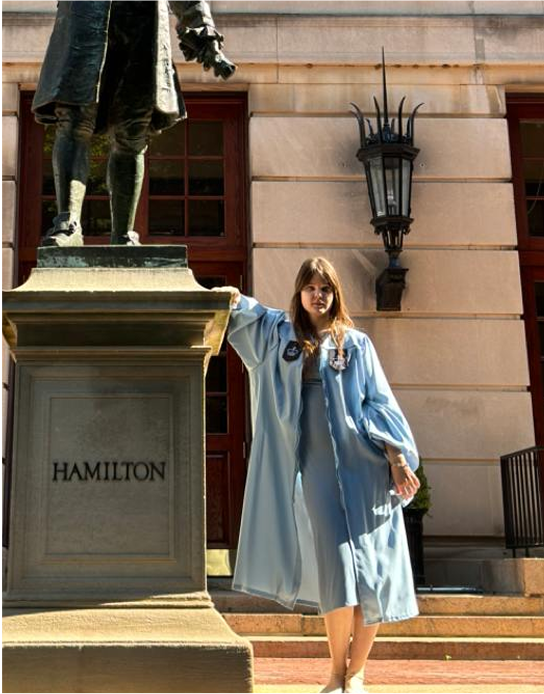
I was accepted to the PhD program at Columbia University on my first try, having strengthened my profile and compiled my achievements into a strong application.

She entered graduate school at Kent State University and Ohio University. At Ohio University, she won a Graduate Teaching Assistantship with full funding of $37,774, covering tuition, insurance, and living expenses.

Got accepted to NYU Abu Dhabi on the first try (acceptance rate 4%) with a scholarship of $217,000. Also received offers from Lynn and Drexel University.
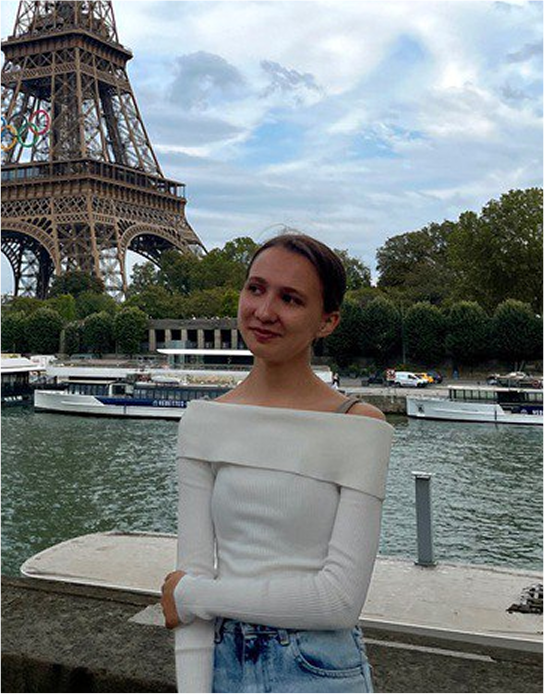
She enrolled in graphic design at universities in France, Italy and Hungary. She received scholarships at all of them and chose the university with the maximum funding — $135,000 for the entire period of study.

He entered a master’s program in the USA at two universities at once – Brandeis University and Washington University in St. Louis, receiving scholarships totaling $80,000. He chose Brandeis University and went to study on the first try.
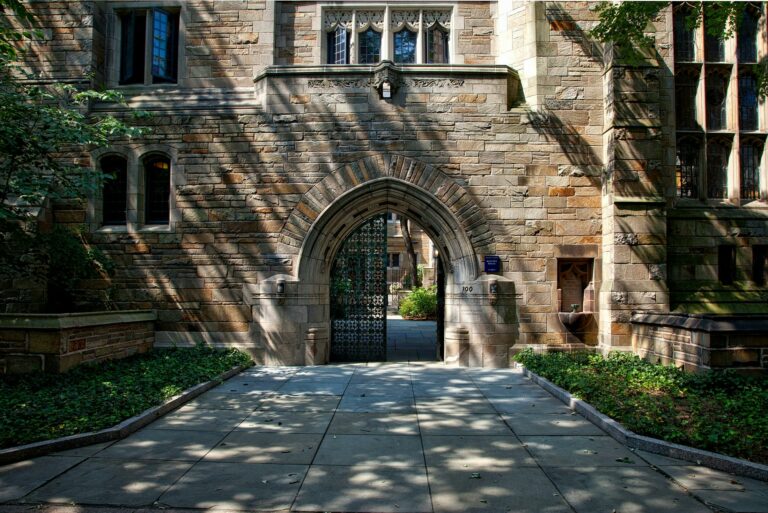





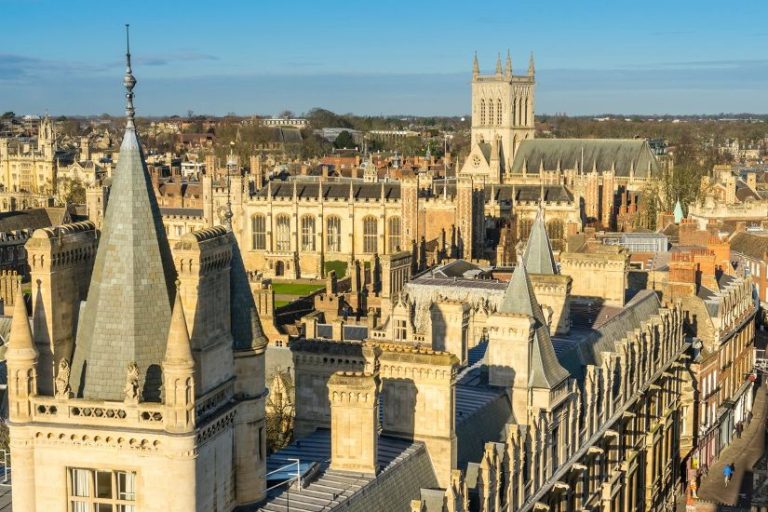
«I am currently in 11th grade at a school in Kyiv, but I have already been admitted to a U.S. bachelor’s program and received a 100% scholarship»

 Feedback from Ksenia
«I liked that the company focuses on developing a personal brand, as this is important for admission to the USA»
Elina's video review
«Now a new best life is beginning, full of victories and adventures. This is absolute happiness, and I wish it to everyone»
Video review from Ksenia
«Try, work and trust! Don’t be afraid to trust, I trusted the SelfStartGlobal team and haven’t regretted it for a minute»
Video review by Anastasia
«If you are in doubt about where to go, worried that it won’t work out, then what are you waiting for? Come for a consultation with an expert»
Video review by Anastasia
«I was looking for information on how to apply to a university and came across many webinars. One of them was hosted by Radmila»
Video review by Leonid
«I didn’t know what I wanted to study for, and I was given an appointment with a career guidance counselor. We chose medicine, which I am very happy about»
Video review of Diora
«With SelfStartGlobal support, you will always know: what to do, why to do it and when to do it. This saves a lot of time»
Video review by Igor
«We started preparing a year in advance, and this was not enough. To have a good profile, you need to spend several years being active»
Sabrina's video review
«I liked that we had constant contact with Ksenia (curator). I needed clear deadlines - I myself would start to grab onto everything at once»
Video review from SofiaTo enter American universities in my specialty, good grades (which, by the way, I didn’t have) are not enough; achievements are also needed. Lisa and other curators helped complete the profile.
Video review by Sergei«The main thing is the match with the university. I didn’t look at rankings, but at how well the university fit my profile and goals»
Review by Leila
«There are many companies on the market that help with studying abroad, but no one does it as comprehensively as SelfStart»
Review by Egor
«It took me a while to realize I'd been accepted. It was an unforgettable experience, one I wish everyone who dreams of studying abroad could experience»
Alina's video review«Don't waste your time choosing an admissions company; I've done it for you. Just contact SelfStartGlobal – they'll help you»
Video review by Lazizbek«At first, the university refused me a scholarship, but my supervisor helped me write a letter, after which I received a 100% scholarship»
Video review by Natalia«Among all the companies in the admissions market, SelfStartGlobal places an emphasis on distinguishing students from other candidates»
Video review by Lilia«When I started, I knew absolutely nothing about applying abroad: no deadlines, no documents, nothing!»
Video review by Ruslan
«There were many questions during the process, but they helped me in everything, supported me and convinced me that I was on the right path. I think this is the most important thing»
Video review from Kamola
«I got into a top university thanks to the way I presented myself in my motivation essay, CV, and letters of recommendation»
Video review by Daria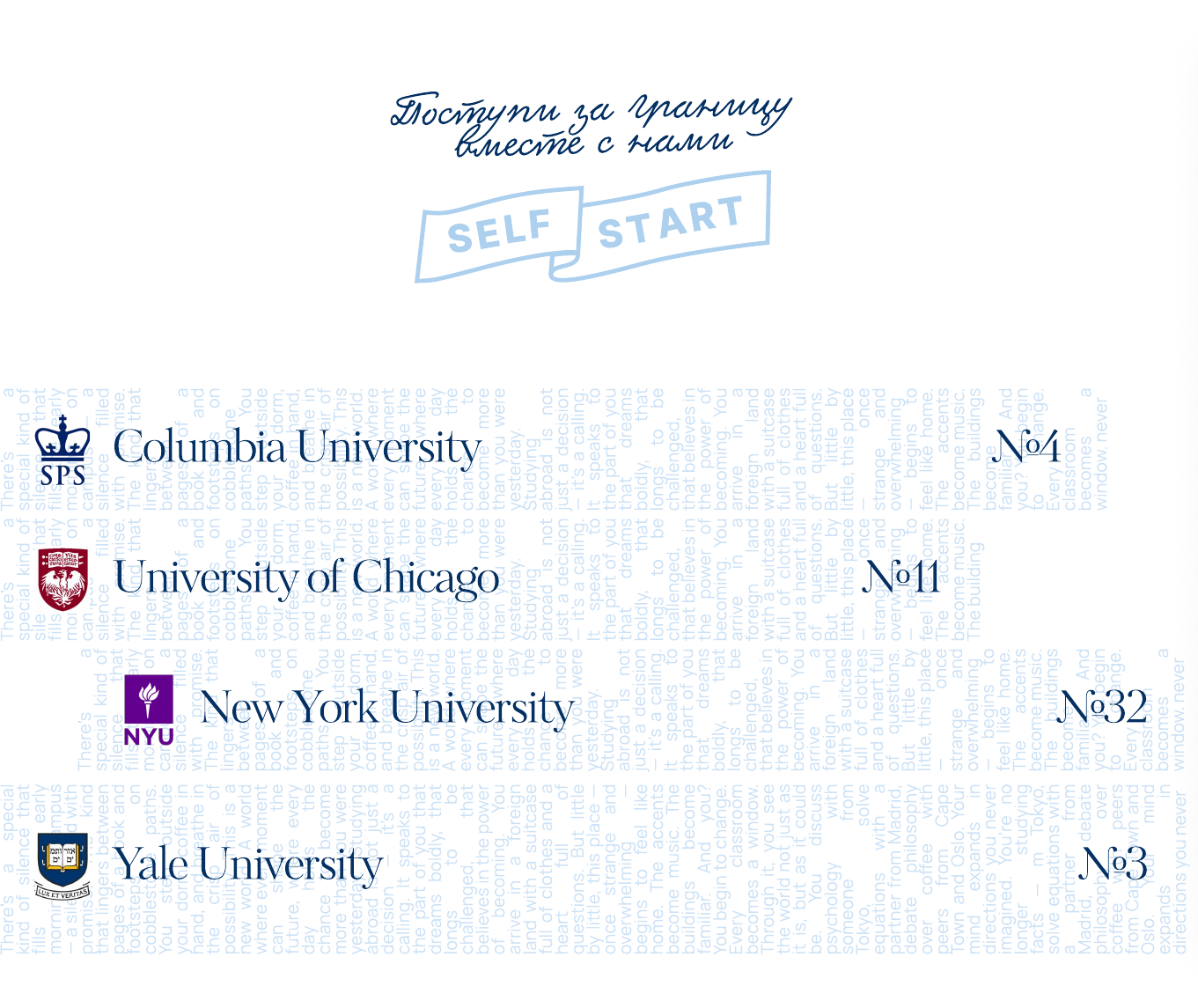
Leave your contacts — our consultant will get in touch
