



Architectural education abroad opens up access to design studios, practicing teachers, and international competitions – something that is difficult to get in a local program. Here are the main reasons to choose architecture studies abroad.
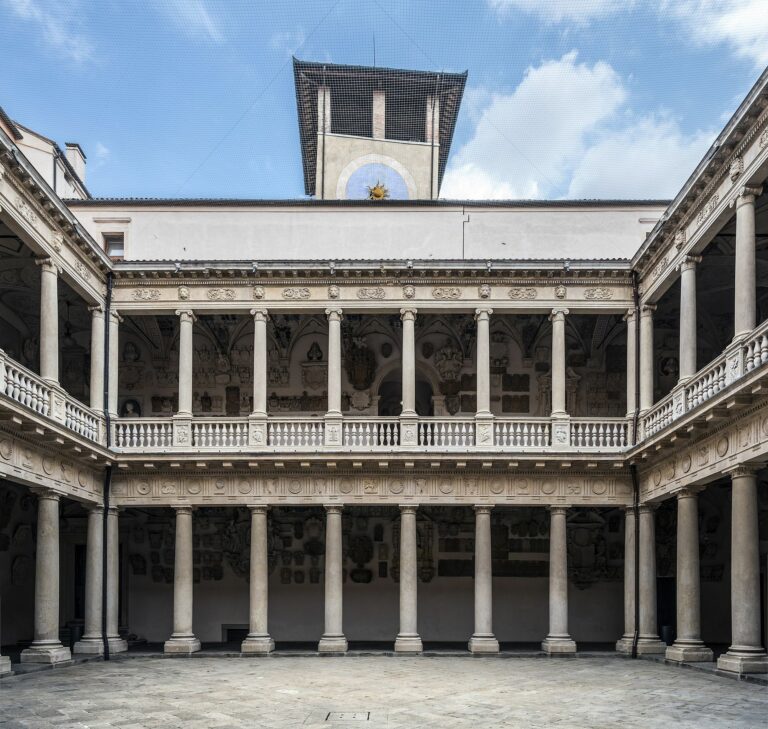
In universities in the United States, Europe, and Asia, the curriculum is based around design studios and crit sessions, where students present their work to practicing architects. The faculty consists of practicing professionals rather than just theorists, ensuring that the curriculum is directly linked to real-world design practices.
An architectural degree obtained abroad opens up access to international bureau and projects. Language skills, experience with foreign regulations and cross-cultural communication make the graduate a more competitive specialist in the global market.
Foreign programs give access to layout workshops, fablabs, laser cutting, and digital laboratories with professional software such as AutoCAD, Rhino, and Revit. This forms a skill base that would otherwise require separate, expensive courses.
Architecture is not the only field in this area. It is possible to specialize in urban design, sustainable architecture, parametric design or architectural environment design, the choice depends on your interests and career goals.
Architecture, urban design, and architectural environment design are related but distinct fields of study. Architecture focuses on the design of individual buildings and structures. Urban design, on the other hand, works with urban fabric at the neighborhood and public space level, bridging the gap between architecture, urban planning, and urban sociology. Architectural environment design encompasses environmental solutions, public spaces, interiors, and exteriors, but the scope of this field varies from program to program, so it’s important to check the specific content for each institution.
Admission to architecture programs differs from most other majors: a portfolio plays a key role here, and not only grades and language certificates. The main steps include:
When choosing a university, it is important to look not only at the ranking, but also at the format of studio work, the portfolio of graduates, access to workshops, and the availability of practicing teachers. We will help you determine which field is closer to you — architecture, urban design, or architectural environment design — and select universities that match your profile.
Usually required: portfolio of 8-12 works, motivation letter, CV, letters of recommendation, IELTS or TOEFL certificate for programs in English. The portfolio should show the process of thinking, not just the final result — drawings and sketches, three-dimensional works, photos of models, three-dimensional models, and a description of your role in each project.
Depending on the starting level, we develop a portfolio enhancement strategy: preparatory courses, participation in competitions and workshops, and our own projects, such as public space redesign, neighborhood analysis, and pavilion concept. Sometimes, programs require an interview or a creative task on-site.
Applications are submitted online through the university’s portal. It is important to meet the deadlines and ensure that the portfolio meets the requirements of the specific program, as each university has its own expectations regarding the format and content of the submissions.
Admission to architecture requires you to start preparing your portfolio 12-18 months before submitting your documents — it is not possible to complete it in a few weeks. We are happy to help you go through this process and get not only an offer, but also a scholarship.
Architectural education is considered one of the most expensive fields: in addition to tuition fees, the budget includes materials for models, printing of drawings and visualizations, and licenses for professional software. To reduce these costs, students use several types of financing.
In Germany, the DAAD program for international students of architectural programs covers travel expenses, a monthly scholarship, and medical insurance. In Europe, there are joint Erasmus Mundus master’s programs with full tuition coverage and a living stipend. Many universities — for example, Politecnico di Milano in Italy, ETH Zurich in Switzerland, and TU Delft in the Netherlands — offer their own scholarships for international applicants to architecture programs, including full tuition coverage for the best candidates.
Tip! To get a scholarship for an architecture program, it is important to show not only a strong portfolio, but also a clear motivation — why this direction and this school.
SelfStartGlobal is a company that focuses specifically on admission with funding. In total, we have already saved our students more than $35 million.
Architectural education opens up different career tracks — it is one of the few specialties where the choice of specialization greatly changes the future path.
A graduate starts as an assistant architect: participates in the development of projects, works with documentation and visualization. This is the most common start of a career after graduation.
An urban designer works with urban planning, public spaces, and transportation infrastructure, a field that is growing as cities become more interested in sustainable development.
Building Information Modeling (BIM) specialist and visualizer are in-demand roles both within architectural offices and in individual studios. The possession of digital tools directly affects employment.
Energy-efficient design and sustainable construction are one of the fastest-growing areas in the profession, especially in Europe.
For those who want to manage the construction process, the path is open to development and project management. For those who are drawn to research, an academic career is available after completing a master’s or doctoral program.
Employment is really influenced by a portfolio with real projects, internship experience in a bureau, possession of digital tools and participation in competitions. Diplomas of foreign architectural schools are valued all over the world, and a graduate can build a career both in the country of study and return to his homeland.
The architectural profession is in demand in most developed countries, which gives graduates additional chances to stay in their country of study after receiving their diploma.
The US immigration system is complex, and an architecture degree does not guarantee automatic eligibility for a green card. However, graduates can participate in the OPT program after graduation and then apply for an H-1B work visa if they receive an offer from an employer.
Most European countries offer post-graduation work visas and simplified conditions for graduates of local architecture schools. In Germany and the Netherlands, architects are included in the list of in-demand professions, which increases the chances of obtaining a work visa.
Singapore and Hong Kong actively hire architects with international education through Employment Pass programs for skilled professionals.
Education alone does not guarantee immigration, but an architecture degree from a recognized school significantly increases the chances of employment and long-term residence in the country of study.
A portfolio of 8-12 works, a motivation letter, a resume, letters of recommendation (depending on the program), and the results of a language exam — IELTS or TOEFL for programs in English. Some universities require an interview or a creative task.
Yes, there are DAAD programs in Germany, Erasmus Mundus programs in Europe, and university-specific scholarships, such as those offered by Politecnico di Milano, ETH Zurich, and TU Delft for strong international candidates.
Strong programs are available in the USA, UK, Germany, the Netherlands, Italy, and Switzerland. The choice depends on the specialization, with European schools being particularly strong in urban design and sustainable architecture.
Graduates can work in architectural offices, specialize in urban design, BIM modeling, sustainable architecture, or visualization, and pursue careers in project management and development.
Architecture is the design of buildings and structures. Urban design is the work with neighborhoods, public spaces and urban fabric on a larger scale. These are different specialties and should not be confused when choosing a program.
We help you evaluate your profile and determine your goal — architecture, urban design, or architectural environment design — to select countries, universities, and programs, build a portfolio and document package strategy, find funding options, and guide you through the process.
If you want to know which architecture program you have a good chance of getting into, come for a free consultation.