Veterinary science

Veterinary medicine has long since expanded beyond treating pets. Today, it's a high-tech field, encompassing complex surgery, genetics, vaccine development, and epidemiological safety. Foreign education provides access to infrastructure and methodology that are fundamentally different from domestic ones.

Why is it worth studying?

Modern infrastructure

Students practice in hospitals equipped with equine MRI machines, laparoscopic stands, and state-of-the-art intensive care units. This is not a theoretical introduction to the equipment, but real work with it from the first courses.

International accreditation

Diplomas accredited by the EAEVE (European Association of Veterinary Education) or AVMA (American Veterinary Medical Association) allow you to work in many countries without the complicated process of re-certification.

Practical focus from the early years

In most foreign programs, clinical practice begins in the first or second year, rather than after five years of pure theory.

Broad specialization

Exotic animals, marine biology, biomedicine, food safety, and veterinary pharmacology offer a much wider range of subjects than most programs in the United States.

How to proceed

Veterinary medicine is one of the most competitive specialties: dozens of people are applying for one place. It takes 1-1.5 years to prepare.

1
Selecting a country and university

In Europe, veterinary programs last 5.5-6 years, and upon completion, a degree equivalent to a master’s is awarded. In the United States, a bachelor’s degree is required first (usually 3-4 years), followed by a veterinary school. Consider the language of instruction, accreditation, and the university’s own clinic.

2
Academic preparation

High grades in chemistry, biology, and physics are a must. Volunteering in shelters or practicing in a clinic significantly strengthens the application: foreign universities value a well-thought-out and confirmed career choice.

3
Package of documents

Transcript of grades or diploma, motivation letter, letters of recommendation from teachers or practicing veterinarians, language certificate (IELTS of 6.5 for most English-language programs), and a portfolio of achievements.

4
Submitting an application

Deadlines at top veterinary schools end 6 months before the start of the semester. For some countries, you will need to provide apostilled documents and translations, so make sure to plan ahead.

Scholarships and funding for veterinary education

Financial support for veterinary students exists, but it is arranged differently in each country and university.

  • Royal Veterinary College, RVC (UK)
    Ranks first in the world for veterinary sciences in the QS World Rankings. Tuition fees for international students are about £47,960 per year (2025/2026). This is one of the most expensive options, but the college offers fully funded clinical residencies and internships: residents receive a £27,800 per year scholarship, and interns receive a £19,600 per year scholarship, with full tuition fees covered.
  • Royal (Dick) School of Veterinary Medicine, University of Edinburgh (UK)
    For the 2026/2027 academic year, it offers two scholarships for international students enrolled in the BVM&S (Bachelor of Veterinary Medicine and Surgery) program. Each scholarship is worth £5,000 per year for the entire duration of the program. It is awarded on a competitive basis based on academic merit and interview results. The deadline for applications for the 2026/2027 academic year is May 31, 2026.
  • WVA/MSD Scholarship for Veterinary Students (International)
    The World Veterinary Association, in conjunction with MSD Animal Health, awards scholarships annually to veterinary school students in their 2nd or 3rd year (or later if the program is longer than 4 years). The application is submitted in English. The competition is open to students from most countries.
  • Germany – DAAD
    The German Academic Exchange Service supports students in veterinary and biological programs. The scholarship for master’s students is 992 euros per month, and for doctoral students, it is 1,300 euros per month (1,400 euros as of February 2026). It includes insurance and transportation costs. However, most programs at public German universities are free of charge, and students only need to pay an administrative fee of 200-400 euros per semester.

For reference: in the UK, tuition for international students costs from 25,000 to more than 65,000 pounds per year, depending on the university. In Poland, Hungary, the Czech Republic and Lithuania — from 4,000 to 12,000 euros per year. In public universities in Germany, Austria, and the Czech Republic, tuition may be free or may cost a minimum administrative fee.

At SelfStartGlobal, we help you choose scholarship opportunities for a specific student profile and build an application strategy. In total, our students have already saved more than $25 million.

Tip! Scholarships for veterinary programs often require a separate application with its own deadline. You should submit your funding application at the same time as your admission application, not after receiving an offer.


Prospects after training

A veterinary degree opens doors to several completely different industries.

Clinical practice

From pets to racecourses and zoos. Private and public practice remains the primary career track for most graduates.

Pharmaceuticals and biotechnology

The development and testing of veterinary drugs, vaccines, the study of genetic diseases, and virology are areas with a high demand for specialists with international education.

Food Safety and Public Service

Quality control of animal products, work in quarantine and customs veterinary authorities, and international animal health organizations.

Immigration after training

  • In the UK, graduates can use the Graduate Route, a 2-year visa for job search without binding to a specific employer.

  • In Germany, after graduation, you can get a job search permit for up to 18 months.
  • In a number of European countries, a diploma accredited by EAEVE gives the right to register in professional veterinary associations without additional re-certification.

Important: the right to work as a veterinarian is regulated in each country separately. Before choosing a program, you need to check whether the diploma is recognized in the country where the practice is planned.

FAQ

How many years does it take to study to become a veterinarian abroad? Плюсик

In Europe, it takes 5.5 to 6 years. In the United States, the process is longer: first, a bachelor’s degree, followed by a veterinary school, which can take up to 8 years.

Is it possible to study to become a veterinarian in English in Europe? Плюсик

Yes, there are English-language programs in Poland, Hungary, the Czech Republic, and Italy.

Is experience working with animals required for admission? Плюсик

It is not mandatory, but volunteering at shelters or practicing at a clinic significantly strengthens your application — universities value a well-thought-out career choice.

Is a foreign veterinary degree recognized in my home country? Плюсик

It depends on the country of study and the availability of accreditation. Diplomas from universities accredited by EAEVE or AVMA are recognized in most countries, but the confirmation procedure must be checked in advance.

What jobs can I do after veterinary education, other than working in a clinic? Плюсик

Veterinary pharmacologist, food safety specialist, quarantine officer, researcher at a biotechnology company, and specialist in animal health at international organizations.

Universities

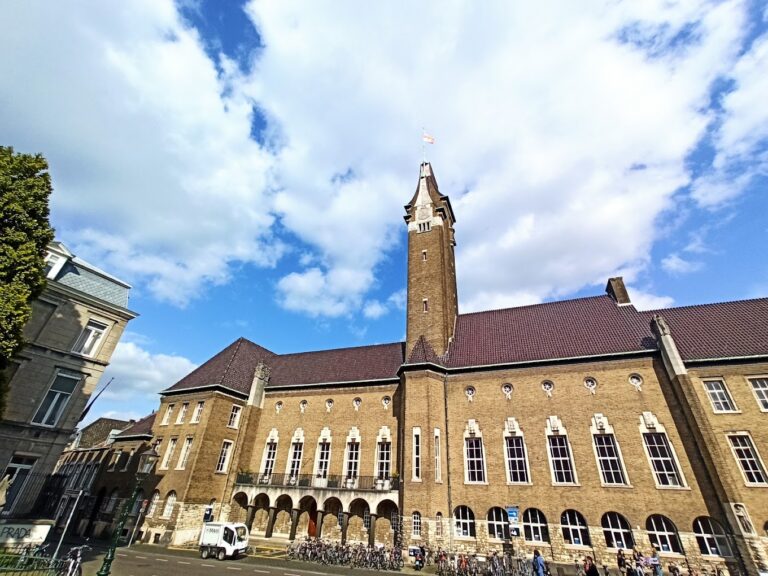
Paduana


University

Italy
One of the oldest universities in Europe with strong traditions in science, medicine, and the humanities. Attractive due to its combination of academic quality, affordable tuition, and student life in Italy
Bachelor's degree: from €2,000 to €4,500 per yearMaster's degree: from 3,000€ to 6,000€ per yearDoctoral studies: from 1,500 to 3,000 € per year
Maastricht University
Netherlands
A modern university in the Netherlands, known for its innovative Problem-Based Learning (PBL) approach. Popular among international students, especially in business, economics, law, and healthcare
Bachelor's degree: from €9,000 to €15,000 per yearMaster's degree: from €10,000 to €18,000 per yearDoctorate: free or about €2,500 per year
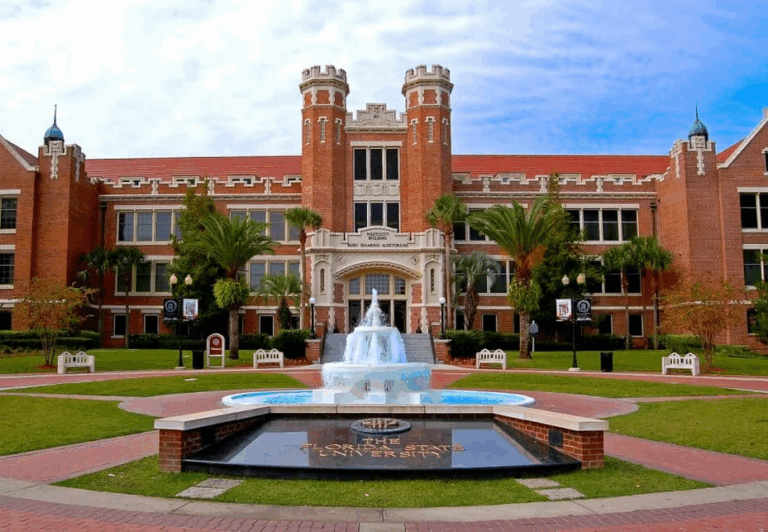
University of Florida
USA
A large public research university in the United States with a high academic ranking. Offers a wide range of programs, strong STEM fields, and more affordable tuition compared to private universities
Bachelor's degree: from $55,000 per yearMaster's degree: $15,000 - $40,000 per yearDoctoral studies: $10,000-$30,000 per year
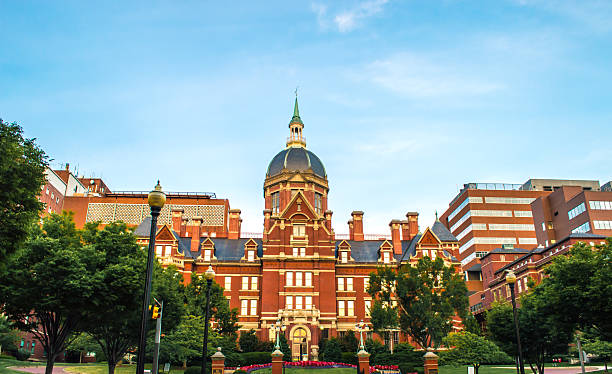
Johns Hopkins University
USA
A leading U.S. research university and a global leader in medicine, biotechnology, and international relations. Distinguished by a strong focus on research, practice, and interdisciplinary studies
Bachelor's degree: $63,340 per yearMaster's degree: $65,956 per yearDoctoral studies: about $65,000 per year
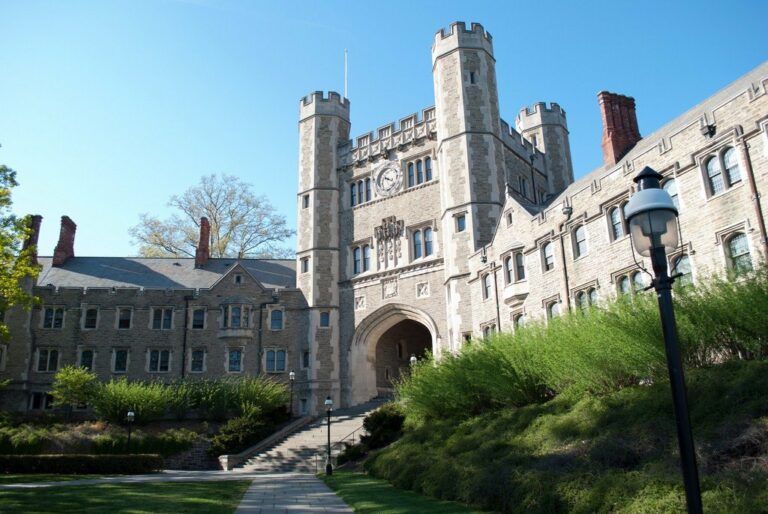
Princeton University
USA
One of the most prestigious universities in the United States, part of the Ivy League. Strong in natural sciences, engineering, economics, and the humanities. Known for a high level of academic support and generous scholarships
Bachelor's degree: about $60,000 per yearMaster's degree: average $58,000 per yearDoctoral studies: free*
Подобрать университет

Countries

France
France leads non-English-speaking countries in terms of the number of international students. French universities are renowned for their high academic standards, and degrees are valued worldwide, opening up broad career prospects. Scholarships are available, and the combination of European-quality education and a rich cultural environment makes France particularly attractive to prospective students.
Read more ➜
Germany
One of the most popular study destinations in Europe. Free or low-cost education, strong technical and engineering fields, and high demand for graduates
Read more ➜
Italy
A combination of academic tradition and affordable education. Particularly in demand for studies in design, architecture, business, and the humanities
Read more ➜
United Kingdom
Classical education with global recognition. Shorter study periods, strong humanities and business programs, and a highly valued diploma
Read more ➜
USA
A US education offers prestige and limitless opportunities. American degrees are highly valued worldwide, and graduates from leading universities are eagerly sought after by international companies. US universities consistently occupy top positions in global rankings. Studying here opens the door to a global career and a unique student experience.
Read more ➜
Выбрать страну

Our services

MentoringA personal mentor at every stage of preparation. A clear plan, oversight of every step, and predictable results.
Full supportA turnkey international application process: a customized strategy, document preparation, and visa support—all in one service, guaranteeing you admission to a university abroad.
Personal brand in a yearIn 12 months, we'll build your strong personal brand for international study: we'll formulate a strategy, select activities, and identify achievements that will increase your chances of admission and scholarship awards.
Selection of activities for Personal brandA personal brand is the foundation for applying for a scholarship. Get a list of activities that will enhance your profile and distinguish you from other applicants.
Universal supportAccelerated preparation for admission: save money and time without compromising results.
Consultation with an expertAn in-depth 60-minute consultation: we'll discuss your admissions chances, financing options, develop a personalized strategy, and answer all your questions.
Consultation with a career guidance specialistWe'll help you identify your strengths and inclinations, choose the right field of study, and build a successful career.

Getting a student visa from the USAWe'll help you obtain a student visa without stress or errors, and we'll also assist you if your application is rejected.
Selection of universities and scholarshipsWe'll create a list of universities and programs that are right for you—with a realistic chance of admission and scholarships.
Admission to Foundation Programme AbroadWe'll help you enroll in the Foundation Program, a program that allows you to transfer to a bachelor's degree abroad without losing a year. We'll select suitable options, prepare your documents, and develop a strategy.
Preparation of documentationStrong documents make a strong candidate. We'll help you prepare your application package based on both formal and informal university requirements.

Feedback from our students

Related articles

Top 8 universities where you can study for free or almost for free
Время чтения:
0 мин
Guide: How to Choose a Country for Admission?
Время чтения:
0 мин
The 3 most affordable countries for admission are Belgium, Austria, and Italy
Время чтения:
0 мин
Extracurricular activities for studying abroad
Время чтения:
0 мин
Deadlines, Exams, and Scholarships: Your Guide to Studying in the USA, Europe, and Asia
Время чтения:
0 мин
I want to study abroad in 2027, but I don’t know where to start
Время чтения:
0 мин
How to pack a suitcase: what to consider when moving to another country
Время чтения:
0 мин