




 Deadlines, Exams, and Scholarships: Your Guide to Studying in the USA, Europe, and Asia
Service payment
Fill out the form and continue to payment via Stripe


Singapore is the most expensive of the four cities, followed by Tokyo, then Seoul, and Beijing turns out to be the most affordable option. But this is an average picture. The final budget depends on the type of accommodation, the neighborhood, and personal habits. Compare not the overall impression of a “expensive” or “cheap” country, but specific expense items.
Regardless of the city, a student budget is usually structured around the following items:
Housing is the largest expense in Singapore. University dormitories are cheaper, but there aren’t many places, and some students are forced to rent a room or apartment on their own.
Eating at local coffee shops (hawker centres) is cheaper than cooking at home, in terms of variety, while restaurants and delivery are the most expensive options.
Public transport in Singapore — the metro (MRT) and buses — operates on a unified zonal system with travel cards available at a student fare.
Mobile communication and internet in Singapore are relatively inexpensive compared to other budget items, and health insurance is arranged through the university as part of the visa package.
According to the official estimate by SMU (Singapore Management University), excluding tuition fees, an international student should budget S$1,500–2,000 or more per month for accommodation, food, transportation, and everyday expenses. This is a guideline, not a fixed figure — the final amount depends on the type of accommodation and the area.
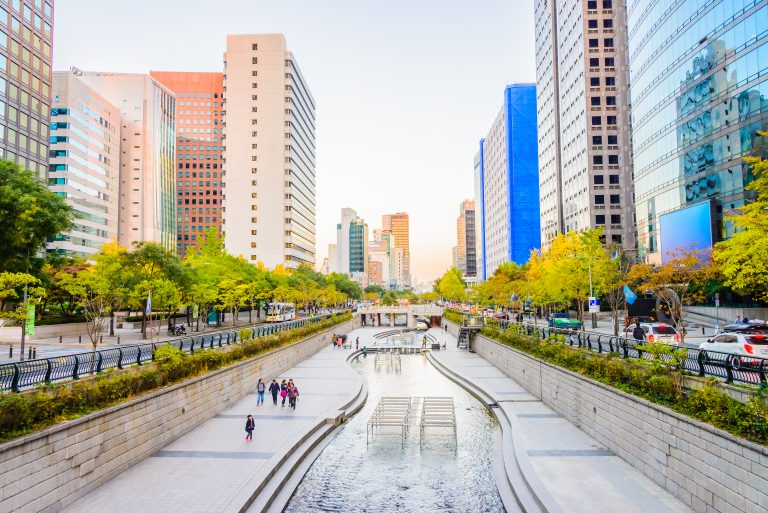
The university dormitory is the most affordable option, but the number of places is limited, especially for upper‑year students. Renting a room (officetel, goshiwon) off‑campus is more expensive, and the price largely depends on the neighborhood and proximity to the metro.
Dining in university cafeterias is one of the most budget‑friendly options in the region: a full meal at a campus cafeteria usually costs around 1,000–5,000 won. Cooking at home and eating at restaurants are noticeably more expensive.
Seoul’s public transport — the metro and buses — operates on a unified system with transfers at a single fare, and the fare is the most affordable among major Asian capitals.
Medical insurance (NHIS) is mandatory for international students. The cost is about 76,000 won per month. Mobile communication and internet in Korea are inexpensive and of high quality.
The total budget for living in Seoul, excluding tuition fees, is approximately 800,000–1,200,000 won per month. This is lower than the comparable budget in Singapore or Tokyo. Outside Seoul — in Busan, Daejeon, or Daegu — expenses are 20–30% lower.
Housing is the main reason why Tokyo is more expensive than other Japanese cities. According to official data, the average cost of housing across the country is 41,000 yen per month, while in Tokyo it is already 57,000 yen. The University of Tokyo, on its official page for international students, specifies that renting a small studio apartment in the city costs 80,000–100,000 yen per month.
Meals in student cafeterias and small cafes are more affordable than in restaurants; cooking at home with purchases from budget supermarkets is the most economical option.
Tokyo has one of the most developed transport systems in the world — the subway and JR trains — but due to the city’s size, transport costs will be higher than in more compact cities like Seoul or Singapore, especially if the accommodation is located far from the university.
International students in Japan are required to participate in the national health insurance system; according to official data, contributions for low‑income students in Japan are subsidized and remain at a low level.
According to official data from Study in Japan and the University of Tokyo, a realistic budget for living in Tokyo, excluding tuition fees, is 120,000–150,000 yen per month. This makes Tokyo the most expensive city among the four considered, alongside Singapore.
University dormitory is the most affordable option in Beijing. According to several universities, the cost ranges from 400 to 2,000 yuan per month, depending on the type of room. Renting an apartment off‑campus in the area of large universities (for example, Haidian) is more expensive — from 3,500 to 7,000 yuan per month for a studio.
Food in university cafeterias is an affordable budget item in any of the four cities. A full meal costs 10–20 yuan, and the total food expenses for the month amount to 1200–1500 yuan.
The Beijing Metro is the largest in the world and remains affordable. A single trip costs about 3–7 yuan, depending on the distance, and student transport cards offer an additional discount.
Health insurance is mandatory for international students and costs 800 yuan per year when arranged through the university; mobile communication and internet in China are inexpensive by international standards.
When living in a dormitory and eating in canteens, the total budget in Beijing, excluding tuition fees, ranges from 2,000 to 4,500 yuan per month; when renting separate accommodation, the figure is noticeably higher. This makes Beijing the most affordable of the four cities in terms of most expense items.
The data is current for 2026 and is provided in local currency — exchange rates change, so before planning your budget, convert them using the current rate.
University dormitory is the most predictable and affordable option. The price is fixed, and part of the utility costs are usually included. Renting a room in an apartment is cheaper than separate housing, but it adds the costs of a deposit and utility services separately. A student residence provided by a private company is similar in format to a dormitory, but it is not always cheaper than market rent. A separate apartment is the most expensive and least predictable option in almost all four cities, especially in Singapore and Tokyo.
In the first month, one‑time expenses are added: a deposit for accommodation (in Asia, this is often equivalent to several months’ rent, especially in Singapore and Tokyo), processing visa and registration documents, purchasing household items for rented accommodation, and paying for the first weeks or months of living in advance. In Japan, for example, official sources explicitly note that even with a scholarship in place, the first payment may be delayed by one to one and a half months, so you need to have enough money on hand for the initial period.
Yes, but the scale of the savings depends on the specific program. Government scholarships — GKS in Korea, MEXT in Japan, CSC in China, MOE Tuition Grant in Singapore — can cover not only tuition but also a monthly living stipend, which significantly reduces the burden on the personal budget. Partial university scholarships usually cover only tuition, leaving living expenses to the student’s discretion. Before calculating the budget taking the scholarship into account, it is worth checking exactly what the specific program covers — the general term “scholarship” does not guarantee coverage of living expenses.
There is no single answer. The rules vary by country, visa type, and specific educational institution. In some countries in the region, part‑time work is permitted with a limit on the number of hours per week and requires a separate permit; in others, it is not available for all types of student visas. Before including part‑time work in your financial plan, you need to clarify the current rules for your visa category — you shouldn’t count on it as a guaranteed source of income.
The cost of living is an important, but not the only, criterion for making a choice. In addition to the price, it is worth considering the quality and reputation of the specific program, career opportunities after graduation, the need (or lack thereof) to know the local language, and the availability of scholarships specifically for the field of study you are interested in. Sometimes a more expensive city with a full scholarship ends up being cheaper than a formally “affordable” country without funding — so it is worth comparing the total amount, taking into account the real chances of getting a grant, rather than just the basic cost of living.

As a rule, in Seoul, the overall living budget is usually lower than in Tokyo, primarily due to more affordable housing. But the final difference depends on the specific area and type of housing in each city.
Yes, Singapore is one of the most expensive cities among the four under consideration in terms of most expense items, including housing and education. At the same time, the quality of education and career opportunities after graduation often compensate for the higher cost for those who can afford it or have received a scholarship.
Dormitory accommodation usually significantly reduces housing costs and often includes part of the utility payments, but it doesn’t solve the entire budget issue — food, transport, insurance, and personal expenses remain separate items regardless of the type of housing.
In addition to the regular monthly budget, in the first month you should set aside an extra amount for the deposit on housing, paperwork, and everyday expenses — usually this is one and a half to two times the regular monthly budget. If the first scholarship payment is delayed, you should have an additional reserve for 1–1.5 months.

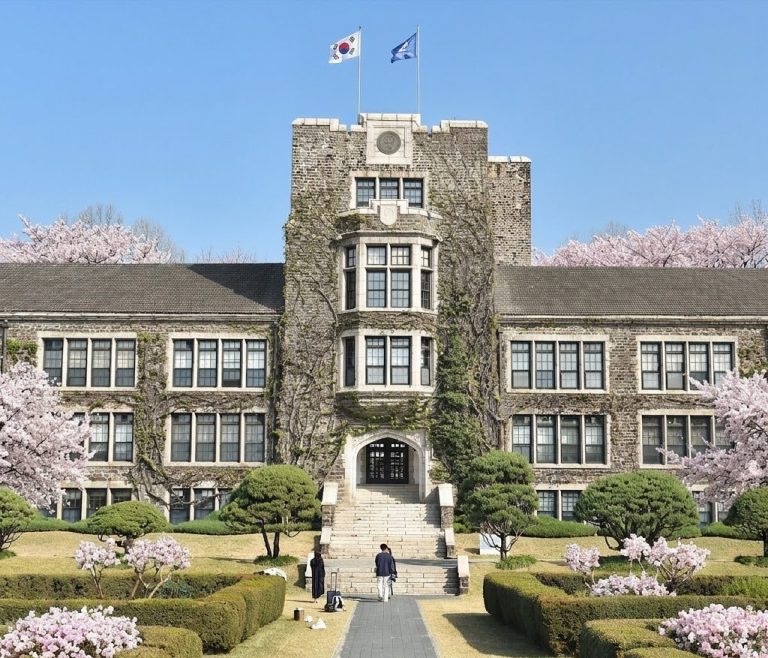
 China
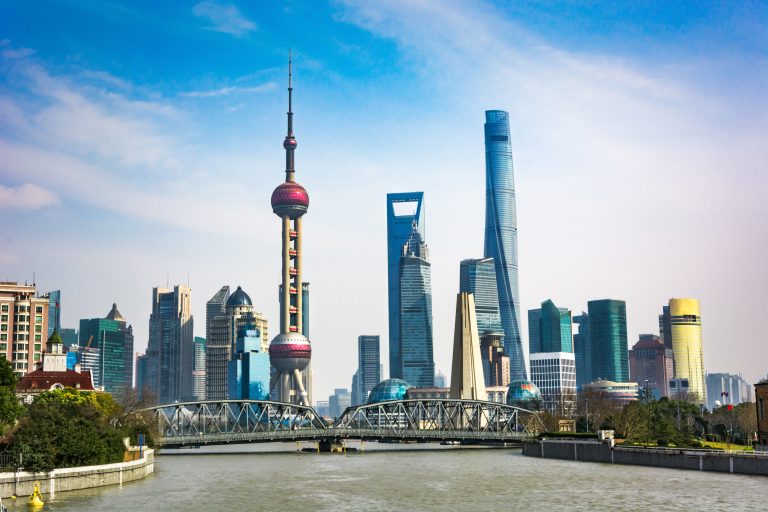
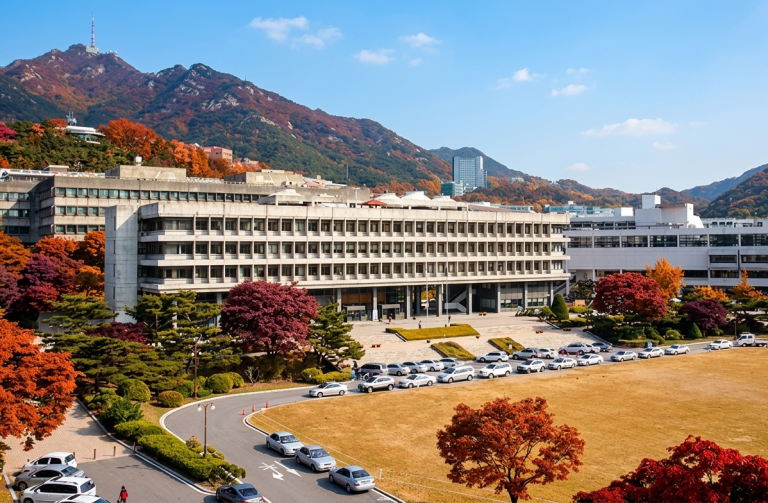
ChinaChinese universities are rapidly rising in world rankings, and the country has turned into one of the largest educational hubs on the planet. Diplomas from leading Chinese universities are recognized by employers around the world, the cost of education is lower than in Great Britain or the USA, and the government actively finances foreign students. On this page - everything you need for admission: universities, cost, scholarships, documents and student visa.
 Singapore
 South Korea
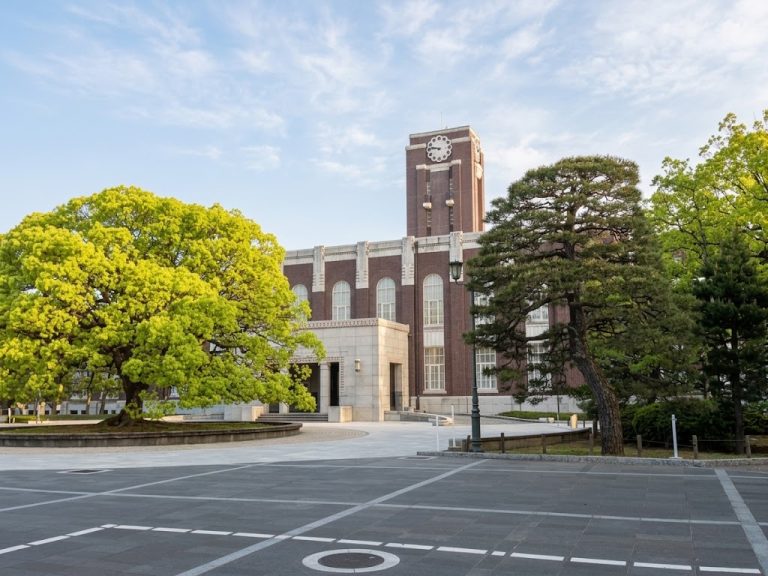
 Japan
JapanJapan is one of the most unconventional destinations for studying abroad. Japanese diplomas are highly valued in the international job market, universities are ranked among the top in the world, and students work with technologies that have not yet been mass-produced in other countries. If you are ready to immerse yourself in a unique culture and a systematic approach to knowledge, this is the right choice for you.
Leave your contacts — our consultant will get in touch
