Pharmaceuticals

Pharmaceutical science encompasses drug development, pharmaceutical chemistry, pharmacology, biopharmaceuticals, clinical and industrial pharmacy, biotechnology, regulatory affairs, and research. Pharmaceutical studies abroad are built on the intersection of chemistry, biology, medicine, and technology. The choice of a specific field within pharmaceutical science influences the program's content, admission requirements, and career prospects. Therefore, it is important to understand the differences between pharmacy, pharmaceutical sciences, and pharmacology from the outset.

Pharmacy, Pharmaceutical Sciences, and Pharmacology: What's the Difference?

Pharmacy

Pharmacy is more often associated with professional pharmaceutical practice: working with patients, medicines, their safe use and the healthcare system. It is important to understand: the right to work as a pharmacist is regulated in each country separately – through licensing, professional exams and recognition of the diploma. A foreign diploma does not automatically give the right to practice in any country.

Pharmaceutical Sciences

Pharmaceutical sciences is a more research-oriented and scientific-industrial field. It involves the development of medicines, pharmaceutical chemistry, drug analysis, drug delivery systems, biopharmaceutics, clinical research, and quality control. A master’s degree in pharmaceutical sciences is particularly popular among those who aspire to a career in the pharmaceutical industry or science.

Pharmacology

Pharmacology studies the effects of drugs on the body: mechanisms of action, effectiveness, safety, toxicity, and drug interactions. This is the fundamental scientific basis for the development of new drugs and clinical research.

Clinical and industrial pharmacy

Clinical pharmacy focuses on the use of medicines in the healthcare system, collaboration with doctors, and the safety of drug therapy. Professional practice in this field is regulated by the licensing requirements of a particular country. Industrial pharmacy is related to the production of medicines, quality control, compliance with production standards (Good Manufacturing Practice), the development of dosage forms, and regulatory procedures.

What are the areas of study in pharmaceuticals abroad?

Clinical pharmacy
This is a field for those who want to work in healthcare, dealing with drug therapy, drug safety, and collaboration with medical professionals. The specific country’s licensing requirements determine the scope of professional activities.

Industrial pharmacy
This field encompasses pharmaceutical manufacturing, quality control, drug formulation development, and regulatory support. It is a choice for those who want to work within the pharmaceutical industry.

Pharmaceutical chemistry
Related to chemical analysis, synthesis of active substances, development of molecules, and laboratory work. Basic discipline for a career in drug development and research.

Pharmacology
Study of drug mechanisms of action, preclinical and clinical research, toxicology, and safety. Suitable for academic careers and work in research divisions of pharmaceutical companies.

Biopharmaceutics and Biotechnology
Field for students interested in biological drugs, vaccines, drug delivery systems, molecular biology, and the biotechnology industry. One of the fastest-growing areas in pharmaceuticals.

Regulatory issues and clinical research
Important career paths: drug registration, regulatory compliance, clinical trials, medical documentation, and work at the intersection of science, business, and law.

Requirements for admission to pharmaceutical studies abroad

1
Academic preparation

Chemistry, biology, mathematics, and strong academic performance are important for pharmaceutical programs. For a master’s degree in pharmaceutical sciences, a relevant background in natural sciences, biomedical sciences, biotechnology, or pharmaceuticals is particularly important.

2
Language of instruction and examinations

English-language programs usually require a language certificate, such as IELTS, TOEFL, or another accepted exam. Depending on the country and level, you may need to pass entrance tests, GRE, subject requirements, an interview, or additional assignments.

3
Documents for admission

Basic package: high school or university diploma, transcript of grades, CV, motivation letter, letters of recommendation, proof of language proficiency, and exam results. For master’s and PhD programs, additional requirements may include a research experience description, project portfolio, or research plan.

4
Practical and research experience

The application is enhanced by laboratory projects, chemistry and biology competitions, research internships, volunteering in the medical field, participation in biotechnology or scientific projects, and publications.

How much does it cost to study pharmacy abroad

The cost depends on the country, university, program level, student citizenship and the availability of scholarships. The range between public universities in Europe and private universities in the US is fundamental. In addition to tuition fees, you need to consider accommodation, insurance, laboratory expenses, study materials, entrance fees, visa and flights.

Scholarships and grants for pharmaceutical education

What are the different funding options?

Merit-based scholarships, need-based scholarships, university grants, government scholarships, research assistantships, and funded PhD positions where the student is paid to participate in research projects.

What increases the chances of receiving a scholarship?

Strong grades in chemistry and biology, research experience, laboratory skills, clear academic motivation, high-quality recommendations, a profile that matches the program, and an early application.

Why should you look for scholarships before applying?

The deadlines for applying for scholarships often do not coincide with the deadlines for submitting documents to the university. Some programs require a separate application or research plan. When selecting universities, it is important to consider not only the likelihood of admission, but also the likelihood of funding.

What jobs can you pursue after graduating from pharmaceutical sciences?

Pharmaceutical industry

Drug development, manufacturing, quality control and assurance, regulatory issues, pharmacovigilance, and clinical trials are the main pathways for pharmaceutical sciences graduates.

Research and biotechnology

Laboratories, biotechnology companies, academic research, drug delivery system development, and molecular pharmacology. A PhD or strong research background is particularly important for this path.

Clinical Pharmacy and Healthcare

The professional practice of a pharmacist depends on licensing in a particular country, recognition of the diploma, and additional requirements. This should be checked before choosing a program.

Regulatory consulting and medical projects

Graduates work in regulatory consulting, drug market access, healthcare analytics, medical rating, and the pharmaceutical business.

How SelfStartGlobal helps you to get into pharmacy abroad

We at SelfStartGlobal help to determine the right direction within pharmacy, choose a country and university, check the requirements for the program, assess the chances of admission and scholarship, prepare a full package of documents – a motivation letter, a description of research experience, a personal brand and a submission strategy. Work with admission to universities in the USA, Europe and Asia, a scholarship strategy and a personal brand. Depending on the situation, we offer full support, mentoring or universal support.

If you want to find out which pharmacy program is right for you and how to get into it, come to our free consultation.

Immigration after training

Pharmaceuticals is a field with a special immigration logic: unlike most professions, it is not the diploma itself that plays a key role, but rather the licensing process. In most countries, to work as a pharmacist, you must obtain a license from the local regulatory authority, regardless of the country where you obtained your diploma.

USA

There is an important nuance here: pharmaceutical sciences (Pharmaceutical Sciences) are officially classified as STEM, but the professional degree of PharmD is not included in this list. This means that PharmD graduates receive only a basic OPT for 12 months, without the STEM extension of up to 3 years, which is available to engineers or computer science specialists. After OPT, you need to switch to an H-1B visa through the lottery or look for an employer willing to sponsor a work visa. To practice as a pharmacist, you will also need to pass the NAPLEX exams and obtain a state license.

UK

The UK is one of the most convenient options for pharmacists. The profession is included in the Health and Care Worker visa list, which provides priority and fast processing (the visa decision is made within 3 weeks) and exemption from the mandatory health surcharge (Immigration Health Surcharge). Additionally, graduates can use the standard Graduate visa for 2 years to complete their practical training before taking the final GPhC (General Pharmaceutical Council) exam, which is required for registration as a practicing pharmacist.

Germany

In Germany, an “approbation” is required for practice — a state professional permit, which is issued after an assessment of the equivalence of the diploma, regardless of the applicant’s nationality. For graduates of German universities, diploma recognition is automatic. For those who have completed their degree outside the EU, an additional exam or internship (Pharmazie-Praktikum, usually 1 year) may be required. After receiving a German diploma, a pharmacist can work in any EU country without additional visa restrictions — this is a significant advantage of German education in this specialty.

An alternative path

Not all graduates of pharmacy programs need to become practicing pharmacists. A career in the pharmaceutical industry — drug development, clinical research, regulatory affairs, medical analytics — does not require a practicing pharmacist’s license and often opens more flexible immigration routes, including through standard work visas for STEM professionals.

Immigration through pharmacy education requires long-term planning: it is important to understand in advance that a degree does not equal a license, and licensing in each country is a separate process with its own exams and deadlines.


FAQ: Frequently Asked Questions about Pharmacy Education Abroad

What is the difference between Pharmacy and Pharmaceutical sciences? Плюсик

Pharmacy is more often associated with professional pharmaceutical practice and healthcare. Pharmaceutical sciences are associated with research, development, analysis, and production of medicines.

Is it possible to study to become a pharmacist abroad after school? Плюсик

Yes, but the format depends on the country and the university. You need to check whether the program leads to a professional qualification and what requirements apply for international students.

Who is the Pharmaceutical Sciences Master's degree suitable for? Плюсик

Students with a background in pharmacy, chemistry, biology, biomedical sciences, or biotechnology who want to specialize in research, drug development, or the pharmaceutical industry.

Is it possible to get a scholarship for pharmacy abroad? Плюсик

Yes, but the conditions depend on the country, university, level of study, academic profile, research experience, documents, and submission deadlines.

Is it possible to work as a pharmacist in another country after receiving a foreign diploma? Плюсик

Not always automatically. Professional practice is regulated by local regulations, licensing, recognition of diplomas, language requirements, and additional exams. This should be checked before choosing a program.

Universities

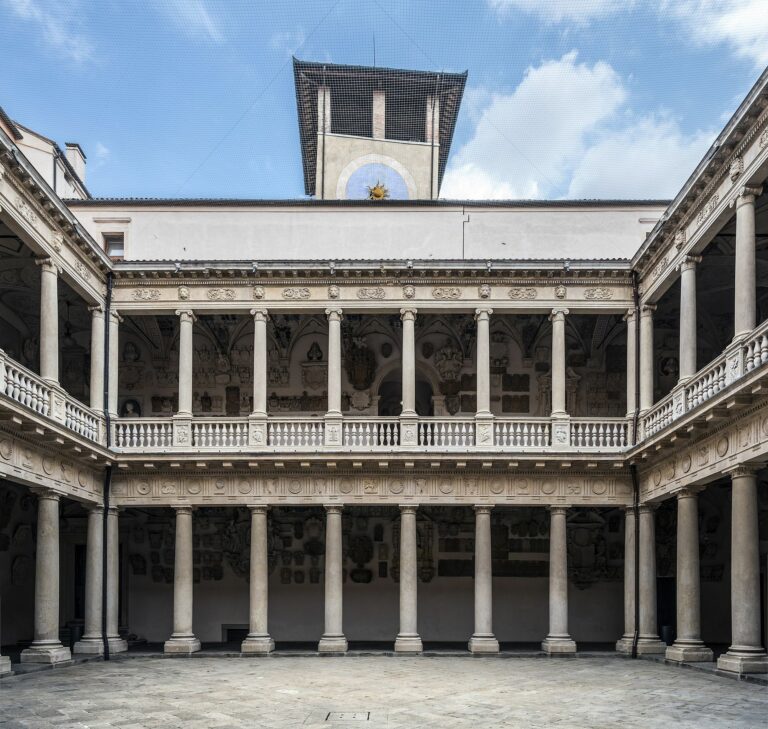
Paduana


University

Italy
One of the oldest universities in Europe with strong traditions in science, medicine, and the humanities. Attractive due to its combination of academic quality, affordable tuition, and student life in Italy
Bachelor's degree: from €2,000 to €4,500 per yearMaster's degree: from 3,000€ to 6,000€ per yearDoctoral studies: from 1,500 to 3,000 € per year
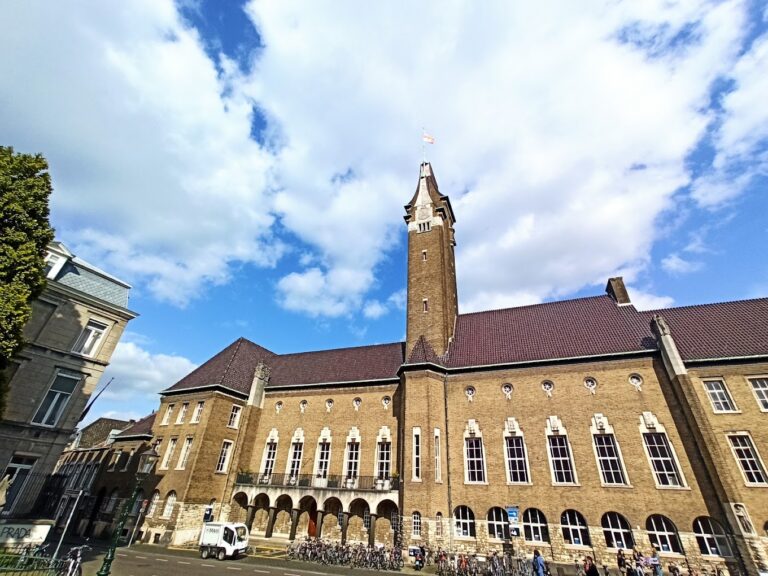
Maastricht University
Netherlands
A modern university in the Netherlands, known for its innovative Problem-Based Learning (PBL) approach. Popular among international students, especially in business, economics, law, and healthcare
Bachelor's degree: from €9,000 to €15,000 per yearMaster's degree: from €10,000 to €18,000 per yearDoctorate: free or about €2,500 per year
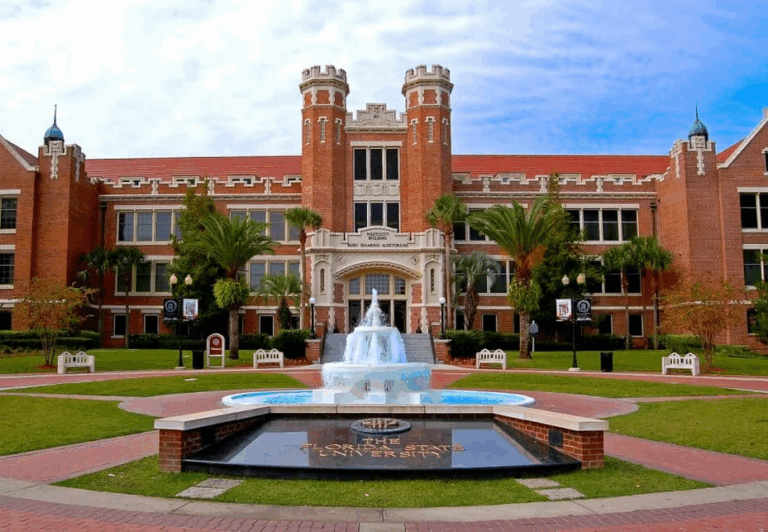
University of Florida
USA
A large public research university in the United States with a high academic ranking. Offers a wide range of programs, strong STEM fields, and more affordable tuition compared to private universities
Bachelor's degree: from $55,000 per yearMaster's degree: $15,000 - $40,000 per yearDoctoral studies: $10,000-$30,000 per year
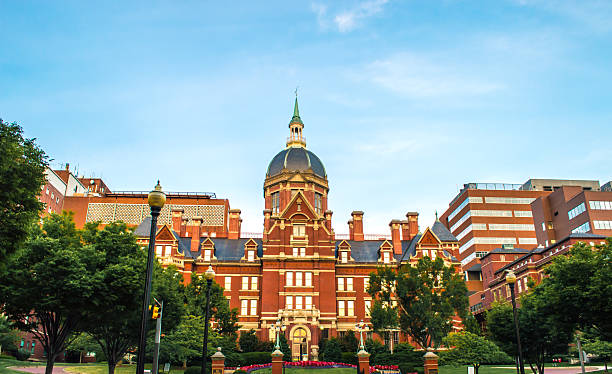
Johns Hopkins University
USA
A leading U.S. research university and a global leader in medicine, biotechnology, and international relations. Distinguished by a strong focus on research, practice, and interdisciplinary studies
Bachelor's degree: $63,340 per yearMaster's degree: $65,956 per yearDoctoral studies: about $65,000 per year
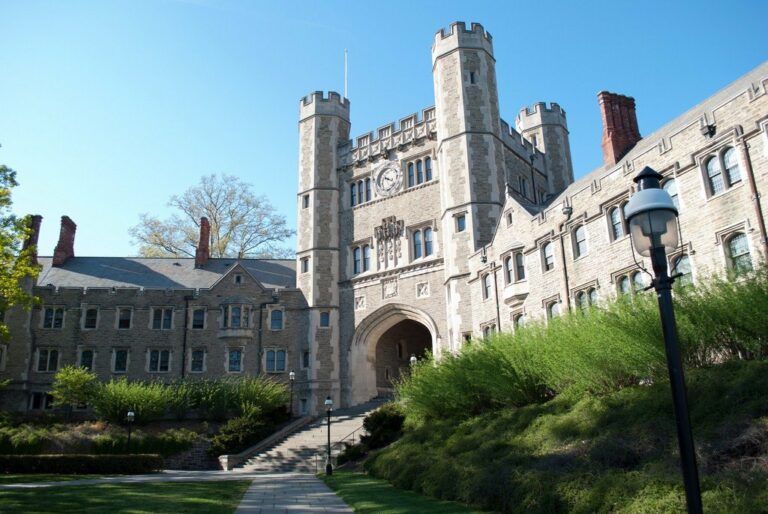
Princeton University
USA
One of the most prestigious universities in the United States, part of the Ivy League. Strong in natural sciences, engineering, economics, and the humanities. Known for a high level of academic support and generous scholarships

Bachelor's degree: about $60,000 per yearMaster's degree: average $58,000 per yearDoctoral studies: free*
Подобрать университет

Countries

Austria
High-quality education with low tuition costs. Attractive for its stable system, strong academic traditions, and high quality of life
Read more ➜
France
France leads non-English-speaking countries in terms of the number of international students. French universities are renowned for their high academic standards, and degrees are valued worldwide, opening up broad career prospects. Scholarships are available, and the combination of European-quality education and a rich cultural environment makes France particularly attractive to prospective students.
Read more ➜
Germany
One of the most popular study destinations in Europe. Free or low-cost education, strong technical and engineering fields, and high demand for graduates
Read more ➜
Italy
A combination of academic tradition and affordable education. Particularly in demand for studies in design, architecture, business, and the humanities
Read more ➜
Spain
Education in a friendly European student environment. Promising English-taught programs and strong fields in business, tourism, and design
Read more ➜
United Kingdom
Classical education with global recognition. Shorter study periods, strong humanities and business programs, and a highly valued diploma
Read more ➜
USA
A US education offers prestige and limitless opportunities. American degrees are highly valued worldwide, and graduates from leading universities are eagerly sought after by international companies. US universities consistently occupy top positions in global rankings. Studying here opens the door to a global career and a unique student experience.
Read more ➜
Выбрать страну

Our services

MentoringA personal mentor at every stage of preparation. A clear plan, oversight of every step, and predictable results.
Full supportA turnkey international application process: a customized strategy, document preparation, and visa support—all in one service, guaranteeing you admission to a university abroad.
Personal brand in a yearIn 12 months, we'll build your strong personal brand for international study: we'll formulate a strategy, select activities, and identify achievements that will increase your chances of admission and scholarship awards.
Selection of activities for Personal brandA personal brand is the foundation for applying for a scholarship. Get a list of activities that will enhance your profile and distinguish you from other applicants.
Universal supportAccelerated preparation for admission: save money and time without compromising results.
Consultation with an expertAn in-depth 60-minute consultation: we'll discuss your admissions chances, financing options, develop a personalized strategy, and answer all your questions.
Consultation with a career guidance specialistWe'll help you identify your strengths and inclinations, choose the right field of study, and build a successful career.
Getting a student visa from the USAWe'll help you obtain a student visa without stress or errors, and we'll also assist you if your application is rejected.
Selection of universities and scholarshipsWe'll create a list of universities and programs that are right for you—with a realistic chance of admission and scholarships.
Admission to Foundation Programme AbroadWe'll help you enroll in the Foundation Program, a program that allows you to transfer to a bachelor's degree abroad without losing a year. We'll select suitable options, prepare your documents, and develop a strategy.
Preparation of documentationStrong documents make a strong candidate. We'll help you prepare your application package based on both formal and informal university requirements.

We are proud of them

Admitted to three US universities with a $45,000 scholarship
Diera

She was admitted to three American universities at once: Augustana College, Widener University, and the University of South Dakota. She chose Augustana College, where she received a scholarship of $45,000 per year.

She enrolled in Fashion PR programs at five US universities
Anastasia

She enrolled in Fashion PR programs at five US universities

Admitted to a master's program in the USA with an $80,000 scholarship
Egor

He entered a master’s program in the USA at two universities at once – Brandeis University and Washington University in St. Louis, receiving scholarships totaling $80,000. He chose Brandeis University and went to study on the first try.

Received a PhD from Columbia University with full funding
Zhanna

I was accepted to the PhD program at Columbia University on my first try, having strengthened my profile and compiled my achievements into a strong application.

Поступила на graphic design во Францию, Италию и Венгрию, в одном из вузов получила 100% финансирование.
Camilla

She enrolled in graphic design at universities in France, Italy and Hungary. She received scholarships at all of them and chose the university with the maximum funding — $135,000 for the entire period of study.

Admitted to Siena Heights University with a 100% scholarship
Leila

She entered graduate school at Kent State University and Ohio University. At Ohio University, she won a Graduate Teaching Assistantship with full funding of $37,774, covering tuition, insurance, and living expenses.

He attended Siena Heights University with a $170,000 scholarship
Leonid

He entered Siena Heights University (USA) for the Theater and Music program with a full scholarship of $170,000. Preparation took less than a year.

He was accepted to NYU Abu Dhabi with a $217,000 scholarship
Ruslan

Got accepted to NYU Abu Dhabi on the first try (acceptance rate 4%) with a scholarship of $217,000. Also received offers from Lynn and Drexel University.

Related articles

Top 8 universities where you can study for free or almost for free
Время чтения:
0 мин
Guide: How to Choose a Country for Admission?
Время чтения:
0 мин
The 3 most affordable countries for admission are Belgium, Austria, and Italy
Время чтения:
0 мин
Extracurricular activities for studying abroad
Время чтения:
0 мин
Deadlines, Exams, and Scholarships: Your Guide to Studying in the USA, Europe, and Asia
Время чтения:
0 мин
I want to study abroad in 2027, but I don’t know where to start
Время чтения:
0 мин
How to pack a suitcase: what to consider when moving to another country
Время чтения:
0 мин