




Why STEM Applications Should Start with Choosing a Career Direction

Автор: Svitlana Tysiachna Operational Leader | STEM Workforce Systems Expert
Svitlana Tysiachna is an operational leader and STEM Workforce Systems Expert with 15+ years of experience across manufacturing, engineering, IT, education services, and technology-driven projects related to emotional intelligence assessment and digital service delivery.

Applying to STEM programs often starts with choosing a university. Students and families compare rankings, tuition costs, application requirements, deadlines, and admission rates. These are all important factors — but for a strong application strategy, they shouldn’t be the first step.

The more important question is a different one: what STEM direction is this student actually building toward?
STEM isn’t a single profession or a single academic path. The word covers a wide range of trajectories — computer science, data analytics, cybersecurity, engineering, biotechnology, robotics, environmental science, applied mathematics, research, and more. Each direction has its own preparation logic, its own skill set, its own programs, and its own career roles.

When a student chooses a program based purely on university prestige or the popularity of a major, they may receive an offer of admission — but run into a different problem later: they don’t know which courses to take, which projects to develop, which skills to highlight, or how to explain where they’re headed.

That’s why STEM applications should start not with a list of universities, but with a choice of direction.
A General Interest in STEM Isn't a Strategy

Identifying a STEM direction starts with an assessment of the student’s profile. At this stage, it’s important to understand not just their interests, but their actual academic foundation — which subjects they’re strongest in, how confident they are in mathematics and the natural sciences, and whether they have technical skills, completed courses, projects, research experience, competitions, or other activities that can support their interest in a chosen field.

This kind of analysis reveals not just what a student wants, but where they’re starting from. In STEM, that matters — because different directions require different preparation and different ways of thinking. A student with strong mathematics, logical reasoning, and an interest in working with information may be a natural fit for data analytics. One who understands physics well, enjoys applied problem-solving, and thinks systematically may be better suited to engineering. Another who is detail-oriented, interested in systems and risk, and drawn to technical protection may find cybersecurity the right direction.

Sometimes a student feels they should pursue the most popular field — artificial intelligence or computer science, for example. But if their academic foundation doesn’t yet meet the demands of those programs, the strategy needs to be built carefully: either strengthening the foundation or looking at adjacent fields that better match their current profile.

This approach helps a student do more than choose an “interesting major” — it helps them identify a STEM track they can logically substantiate in their application and connect to a broader educational path.

How a Clear Direction Strengthens the Application

Once a STEM direction is identified, the application becomes more cohesive. The student isn’t just expressing a general interest in STEM — they’re presenting a clear developmental logic: why this particular direction fits them, which strengths support that choice, and what experience already connects to the field.
This affects every part of the application.

  • The personal statement becomes more focused because there’s a clear through-line.
  • The résumé shows not a collection of unrelated activities, but growth in a specific direction.
  • Letters of recommendation can speak to exactly the qualities that matter for the chosen STEM track.

For example, if a student is pursuing data analytics, the application should highlight analytical thinking, a strong math background, experience working with data, and an interest in applied problems. If the direction is cybersecurity, the emphasis falls on systematic thinking, attention to detail, an understanding of risk, and technical discipline.

If the student is going into engineering, what matters is demonstrating the ability to solve applied problems, project-based thinking, and an interest in building or improving systems.
The same strong academic profile can be framed very differently depending on the chosen STEM direction. That’s precisely why the direction needs to come first — and the application comes after.

Takeaway

A strong STEM application starts with choosing a career direction. The university, the rankings, and the requirements all matter — but they should be evaluated only once the student’s STEM track is clear.

When a student knows which direction they’re building toward, it becomes easier to choose the right programs, prepare compelling application materials, and explain why this particular educational path makes sense for them.

Universities

Harvard University
USA
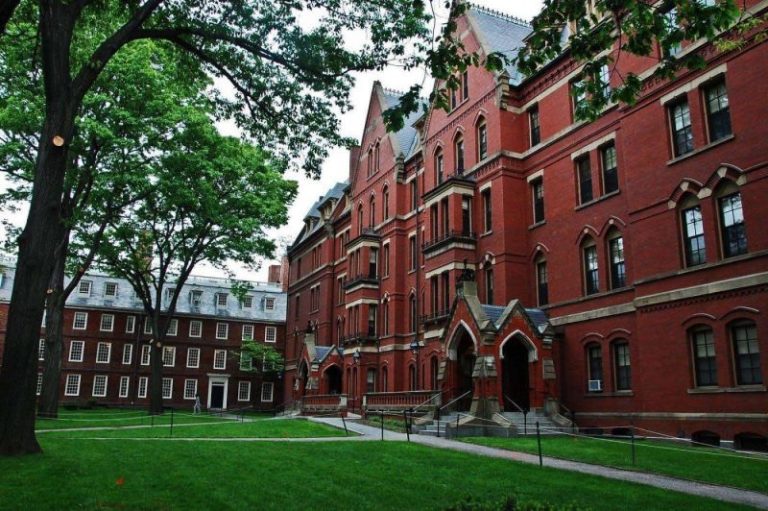
A private research university in the United States, founded in 1636. Considered one of the most prestigious universities in the world, it is known for its strong programs in law, business, medicine, engineering, and social sciences, its high student selection rate, and its robust financial aid system.
Bachelor's degree: $80,000 – $87,000 per yearMaster's degree: $62,000 - $70,000 per yearDoctoral studies: from $30,000 - $60,000 per year
University of Michigan
USA
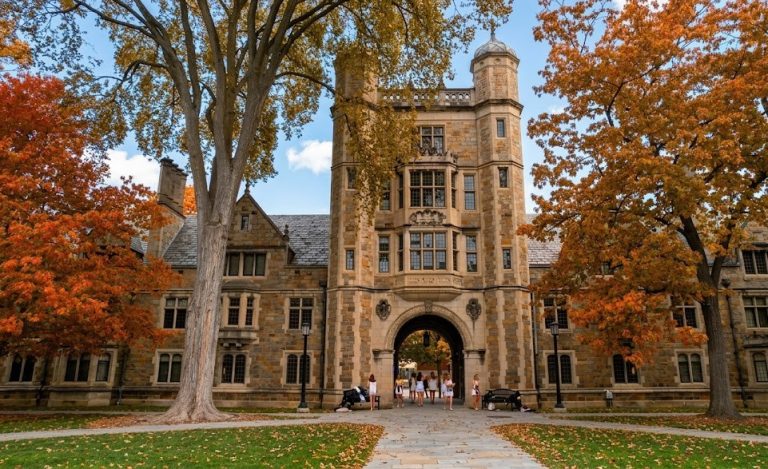
The University of Michigan at Ann Arbor is the "Michigan" people usually think of when they think of one of the strongest public universities in the United States.
Massachusetts Institute of Technology
USA
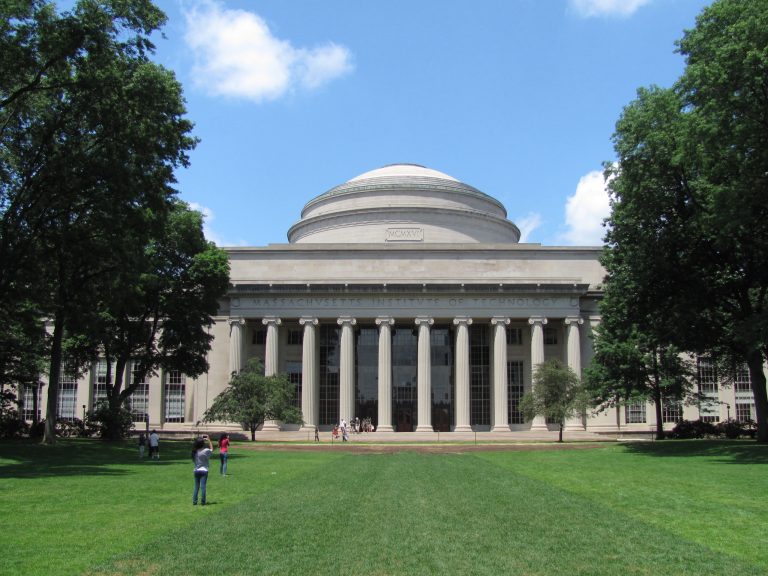
The Massachusetts Institute of Technology is a leading private research university in the United States, located in Cambridge, near Boston. MIT is a global leader in engineering, computer science, artificial intelligence, economics, and fundamental science. The university is known for its strong focus on practice, scientific research, startups, and technological innovation.
Undergraduate: £24,000 – £40,000 per yearMaster's: £23,000 – £40,000+ per yearPhD: £28,150 – £32,600 per year
Princeton University
France
Bachelor's degree: about $60,000 per yearMaster's degree: average $58,000 per yearDoctoral studies: free*
UNC Chapel Hill (University of North Carolina at Chapel Hill)
USA
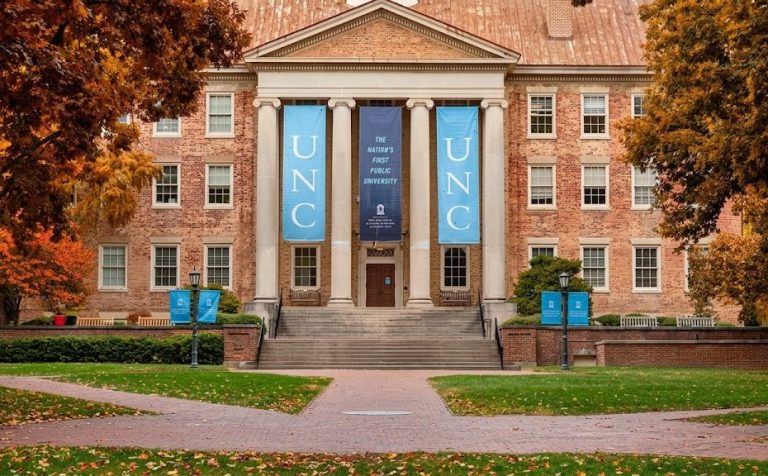
The University of North Carolina at Chapel Hill, or UNC Chapel Hill for short, is one of the most renowned public research universities in the United States.
Подобрать университет

Countries

Austria
High-quality education with low tuition costs. Attractive for its stable system, strong academic traditions, and high quality of life
Read more ➜
Belgium
European education in the heart of the EU. Suitable for studying business, politics, and international relations, with affordable programs and a multicultural environment
Read more ➜
Germany
One of the most popular study destinations in Europe. Free or low-cost education, strong technical and engineering fields, and high demand for graduates
Read more ➜
Spain
Education in a friendly European student environment. Promising English-taught programs and strong fields in business, tourism, and design
Read more ➜
UAE
Modern education in an international environment. Campuses of leading global universities, English-taught programs, and a strong focus on careers and business
Read more ➜
USA
A US education offers prestige and limitless opportunities. American degrees are highly valued worldwide, and graduates from leading universities are eagerly sought after by international companies. US universities consistently occupy top positions in global rankings. Studying here opens the door to a global career and a unique student experience.
Read more ➜
Выбрать страну

Our services

MentoringA personal mentor at every stage of preparation. A clear plan, oversight of every step, and predictable results.
Full supportA turnkey international application process: a customized strategy, document preparation, and visa support—all in one service, guaranteeing you admission to a university abroad.
Personal brand in a yearIn 12 months, we'll build your strong personal brand for international study: we'll formulate a strategy, select activities, and identify achievements that will increase your chances of admission and scholarship awards.
Selection of activities for Personal brandA personal brand is the foundation for applying for a scholarship. Get a list of activities that will enhance your profile and distinguish you from other applicants.
Universal supportAccelerated preparation for admission: save money and time without compromising results.
Consultation with an expertAn in-depth 60-minute consultation: we'll discuss your admissions chances, financing options, develop a personalized strategy, and answer all your questions.
Consultation with a career guidance specialistWe'll help you identify your strengths and inclinations, choose the right field of study, and build a successful career.
Getting a student visa from the USAWe'll help you obtain a student visa without stress or errors, and we'll also assist you if your application is rejected.
Selection of universities and scholarshipsWe'll create a list of universities and programs that are right for you—with a realistic chance of admission and scholarships.
Admission to Foundation Programme AbroadWe'll help you enroll in the Foundation Program, a program that allows you to transfer to a bachelor's degree abroad without losing a year. We'll select suitable options, prepare your documents, and develop a strategy.
Preparation of documentationStrong documents make a strong candidate. We'll help you prepare your application package based on both formal and informal university requirements.

Related articles