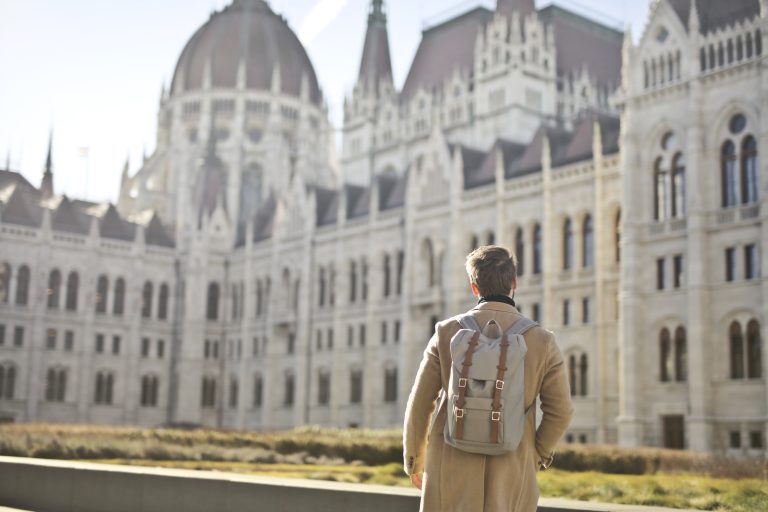
Creative direction

Creative professions aren't just a job; they're a way to express yourself and connect with audiences through the language of dance, stage, music, or film. To become an artist, director, or choreographer with a growing following, talent alone isn't enough. You need a strong school, discipline, and an environment where talent becomes a profession.

Why study a creative profession abroad

Creative fields abroad are structured differently than academic ones: here, they rarely look at the GPA of the certificate and almost always at live training, portfolio and motivation. Foreign schools give not only the technique, but also access to the industry, festivals and professional connections.

A strong practical school

The basis of creative programs is rehearsals, workshops, shows, and productions. Students spend most of their time in the studio, on stage, or on set, rather than in lectures. It is practice, not theory, that determines the professional level of a graduate.

Connection with industry

In strong schools, agents, casting directors, and producers come to student screenings. Students participate in real productions and festivals, build contacts, and develop portfolios while still in school.

A wide range of destinations

Abroad, you can choose a narrow specialization for your goals: classical ballet or modern dance, acting or directing, film production or film studies, academic singing or musical theater. There is a separate program for each request.

Author's style and international experience

In addition to technology, creative programs develop discipline, the ability to work with criticism, and one’s own authorial voice. Studying in an international environment broadens one’s horizons and makes them marketable far beyond their home country.

Studying a creative specialty abroad is an investment in a profession that takes years to build. We help students to enroll and get funding from 50% to 100%.

Leave a request for a free consultation to learn more.

How to apply for a creative major

Admission to creative programs is different from academic programs: documents alone are not enough, and you almost always need to demonstrate your skills through an audition or portfolio. The main steps include:

1
Choosing a major and university

First, it is important to decide on a field: dance, theater, directing, cinema, or music. When choosing a university, we recommend considering not only the prestige, but also the amount of practical experience, the expertise of the faculty, industry connections, and the portfolios of graduates. We will help you find programs that match your profile and goals.

2
Preparing a portfolio and auditions

This is the main selection stage. For choreography, you need video recordings of performances and improvisations, for acting, you need monologues and sketches, for directing, you need concepts and short works, and for singing, you need audio and video recordings of your repertoire. It’s not about the size of your portfolio, but about having a clear logic and visible progress.

3
Collection of documents

Usually, a certificate or diploma, a motivation letter, a resume of creative achievements, letters of recommendation, and a language certificate (TOEFL or IELTS, or proof of local language) are required. Each university adapts the package to its requirements.

4
Application and interview

The application is submitted online through the university or creative school’s portal. It is important to meet the deadlines, as many creative programs have early deadlines. After submission, an interview is often scheduled, and sometimes a live audition or showcase of works.

Each of you has a real chance to study abroad with a scholarship. More than 17,000 university invitations for our students are proof of this.

Come for a free consultation and find out how to get started.

Scholarships and grants for students

Studying a creative specialty abroad is possible at the expense of scholarships from universities, government programs, cultural foundations and specialized organizations. Funding is assigned according to two main principles: for creative achievements and a strong audition (merit-based) or by the financial situation of the family (need-based). For creative directions, the first type is more common — commissions are ready to invest in talented applicants who have convincingly shown themselves in a portfolio or at a show.

An important feature of creative scholarships is a separate selection procedure. In addition to the standard documents, you will almost always need to provide an artistic portfolio or video recordings, and the decision is made by a special committee of practicing teachers. Therefore, a strong audition directly affects not only the admission process, but also the amount of funding.

Where to find funding for creative programs

It is worth considering several sources at once:

  • Internal scholarships at universities. Strong schools allocate a significant budget for supporting students. For example, at The Juilliard School, approximately 90% of students receive some form of financial assistance, and some programs are gradually becoming free.
  • State programs. The German DAAD service offers separate scholarships for the performing arts (drama, directing, musical theater, dance, and choreography), as well as for film, design, and music, with coverage of accommodation, insurance, and travel expenses. The decision is made by a committee of professors from German creative universities based on a portfolio.
  • European Union programs. Erasmus Mundus funds joint master’s programs, including those in creative fields such as sound design and media arts. The scholarship usually covers tuition, travel, insurance, and monthly maintenance (usually in the range of €1,000-1,400 per month).
  • Funds and cultural organizations. Specialized funds support specific fields, countries, or social groups, from music to cinema and theater.

What is important to consider in advance

The budget for a creative program includes not only tuition and living expenses, but also hidden costs such as recording materials for portfolios, costumes, studio rentals, equipment, and participation in festivals. These items are easy to miss when planning, and they directly affect the total amount.

Most creative scholarships have early deadlines — often in the fall of the previous year, 10-12 months before the start of studies. Late submission automatically excludes a candidate from the competition for funding, so the scholarship strategy should be built simultaneously with the preparation of the portfolio, and not after admission.

We help our students choose the right type of funding and put together a strong application for it. During our work, we have already saved them more than $35 million through scholarships.


 

Prospects after training

Education in a creative field abroad opens up various career paths, from the stage to teaching and production. Diplomas from foreign schools are valued worldwide, and the accumulated portfolio and connections allow you to build a career both at home and abroad.

Performing career

Dancer, theater and film actor, vocalist, musical theater artist. Career is built gradually – through participation in projects, festivals and accumulation of professional experience.

Production and behind-the-scenes professions

Director, stage manager, producer, editor, screenwriter, and set designer. These roles require both creative and organizational skills and often offer more stable employment.

Teaching and mentoring

Teacher of choreography, vocals, or theater disciplines, methodologist, and curator of creative programs. Such specialists are in demand in art schools, studios, and universities.

Author and independent projects

With an international diploma and portfolio, you can create your own productions, films, and music projects, work as a freelancer, and work in a multicultural environment around the world.

The prospects for graduates of creative programs are really broad. Our goal is to help you decide where to study, successfully pass auditions, and get generous funding.

Immigration through education

International education is often the first step towards living and working in another country. The ability to stay depends on the laws of each country, but many countries offer job opportunities for graduates of creative programs.

USA

The US immigration system is complex, and education does not guarantee automatic residency. For creative professionals, the OPT route and the O-1 visa for individuals with exceptional abilities in the arts are popular. These require a degree from an accredited institution, work or projects in the country, and compliance with legal procedures.

Europe

Many European countries offer post-graduate work visas and support programs for young professionals. Graduates of local universities have an advantage in the job market, increasing their chances of finding long-term employment and obtaining a residence permit.

Asia

In Japan, South Korea, China, and Singapore, there are work visas available for graduates of local universities. The conditions vary by region, but a degree from a local university can significantly simplify employment in the creative and related fields.

While education abroad does not guarantee a 100% success rate in immigration, it significantly increases the chances of staying in the country and obtaining a work visa in all regions of the world.

FAQ

What is more important for admission: talent or preparation? Плюсик

Preparation. Talent opens the door, but it is discipline, technical work, and a well-assembled portfolio that determine the outcome of auditions and selections.

Is it possible to enroll without a specialized art school? Плюсик

Yes, but you need to start preparing in advance — 6-12 months, and for competitive programs even earlier. Through workshops, studios and independent work on a portfolio, it is possible to collect a strong application.

What should be in a portfolio? Плюсик

It depends on the field: video recordings of performances for dance, monologues and sketches for acting, concepts and short works for directing, and audio and video repertoire for singing. The main goal is to showcase technique, progress, and understanding of the profession.

How is film studies different from film production? Плюсик

Film studies is the theory, analysis, and history of cinema. Film production is the practice of shooting, editing, writing, and directing. These are different professions with different entry requirements.

Is it possible to get a scholarship for a creative program? Плюсик

Yes. Funding is assigned for creative achievements, financial need or through grants of specialized funds. In strong schools, most students receive some kind of support, but it is worth applying for it in advance.

Universities

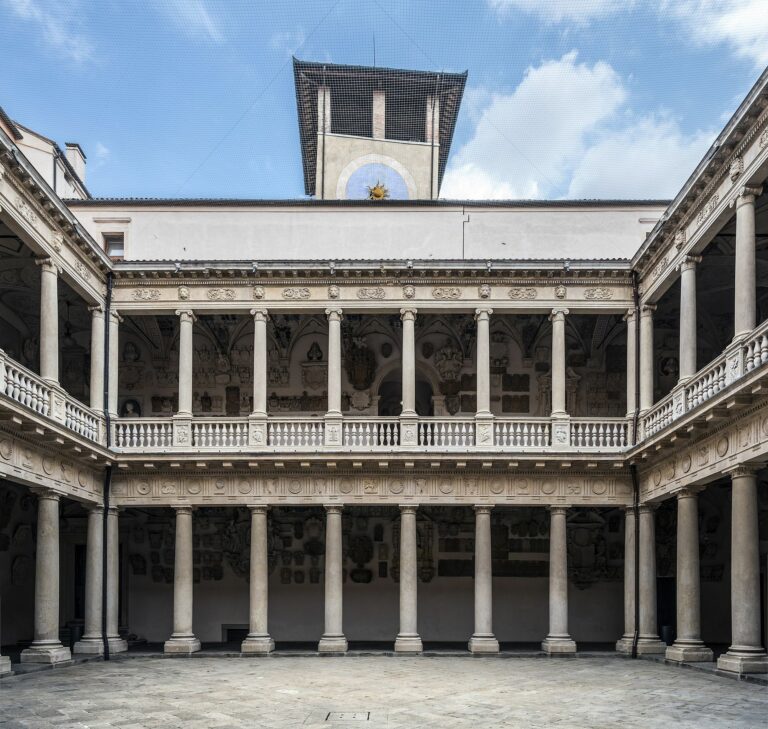
Paduana


University

Italy
One of the oldest universities in Europe with strong traditions in science, medicine, and the humanities. Attractive due to its combination of academic quality, affordable tuition, and student life in Italy
Bachelor's degree: from €2,000 to €4,500 per yearMaster's degree: from 3,000€ to 6,000€ per yearDoctoral studies: from 1,500 to 3,000 € per year
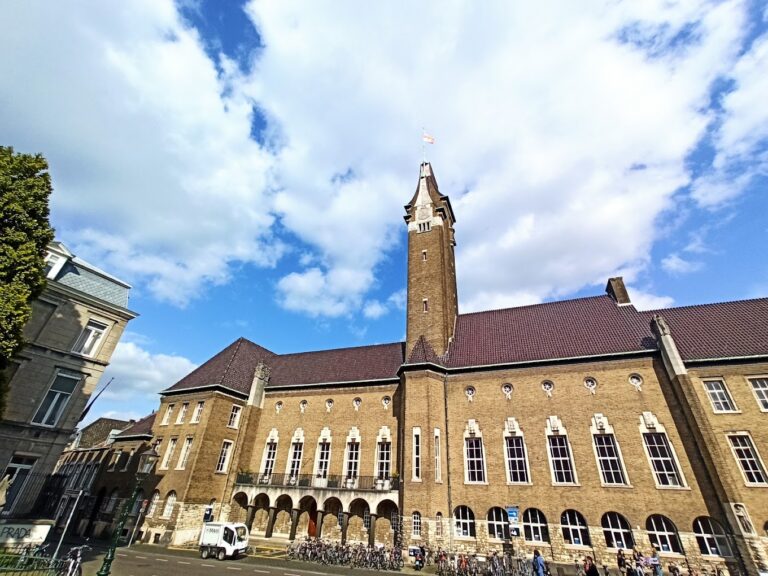
Maastricht University
Netherlands
A modern university in the Netherlands, known for its innovative Problem-Based Learning (PBL) approach. Popular among international students, especially in business, economics, law, and healthcare
Bachelor's degree: from €9,000 to €15,000 per yearMaster's degree: from €10,000 to €18,000 per yearDoctorate: free or about €2,500 per year
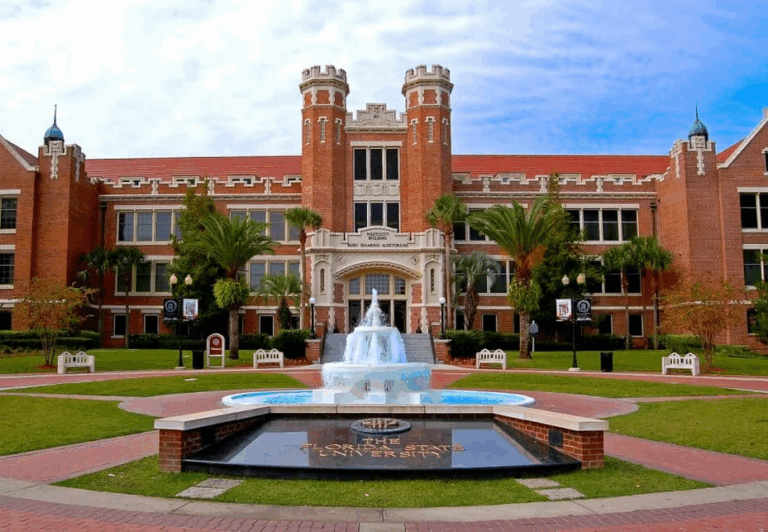
University of Florida
USA
A large public research university in the United States with a high academic ranking. Offers a wide range of programs, strong STEM fields, and more affordable tuition compared to private universities
Bachelor's degree: from $55,000 per yearMaster's degree: $15,000 - $40,000 per yearDoctoral studies: $10,000-$30,000 per year
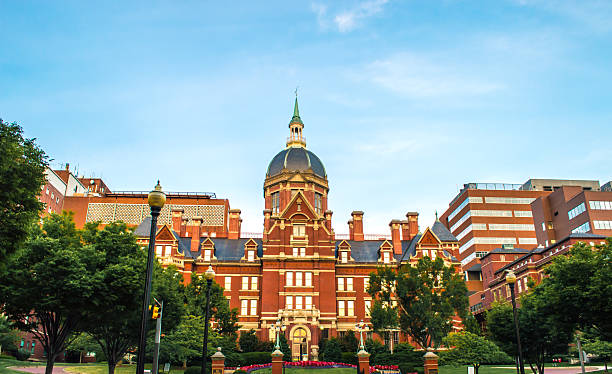
Johns Hopkins University
USA
A leading U.S. research university and a global leader in medicine, biotechnology, and international relations. Distinguished by a strong focus on research, practice, and interdisciplinary studies
Bachelor's degree: $63,340 per yearMaster's degree: $65,956 per yearDoctoral studies: about $65,000 per year
Princeton University
USA
One of the most prestigious universities in the United States, part of the Ivy League. Strong in natural sciences, engineering, economics, and the humanities. Known for a high level of academic support and generous scholarships
Bachelor's degree: about $60,000 per yearMaster's degree: average $58,000 per yearDoctoral studies: free*
Подобрать университет

Countries

Austria
High-quality education with low tuition costs. Attractive for its stable system, strong academic traditions, and high quality of life
Read more ➜
Germany
One of the most popular study destinations in Europe. Free or low-cost education, strong technical and engineering fields, and high demand for graduates
Read more ➜
Netherlands
One of the leaders in English-taught programs in Europe. Practice-oriented education, high graduate employability, and a comfortable environment for international students
Read more ➜
Spain
Education in a friendly European student environment. Promising English-taught programs and strong fields in business, tourism, and design
Read more ➜
Switzerland
A country of prestigious education and high standards. Especially strong in business, finance, hospitality management, and international relations
Read more ➜
United Kingdom
Classical education with global recognition. Shorter study periods, strong humanities and business programs, and a highly valued diploma
Read more ➜
Выбрать страну

We are proud of them

She enrolled in Fashion PR programs at five US universities
Anastasia

She enrolled in Fashion PR programs at five US universities

Admitted to three US universities with a $45,000 scholarship
Diera

She was admitted to three American universities at once: Augustana College, Widener University, and the University of South Dakota. She chose Augustana College, where she received a scholarship of $45,000 per year.

Admitted to a master's program in the USA with an $80,000 scholarship
Egor

He entered a master’s program in the USA at two universities at once – Brandeis University and Washington University in St. Louis, receiving scholarships totaling $80,000. He chose Brandeis University and went to study on the first try.

Received a PhD from Columbia University with full funding
Zhanna

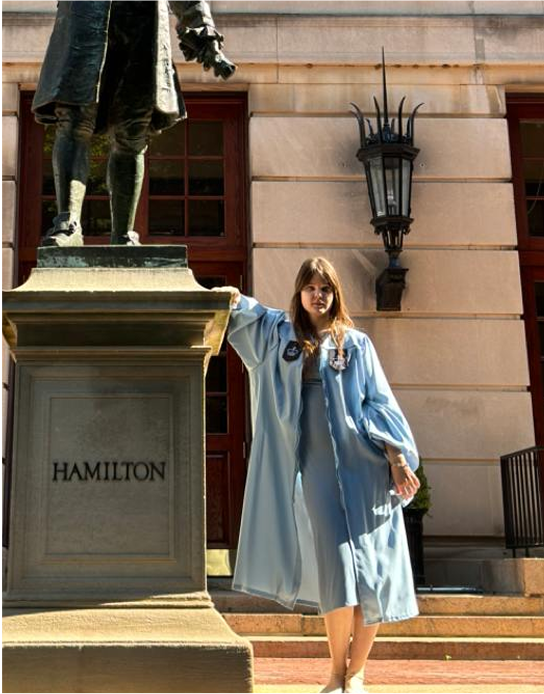
I was accepted to the PhD program at Columbia University on my first try, having strengthened my profile and compiled my achievements into a strong application.

Поступила на graphic design во Францию, Италию и Венгрию, в одном из вузов получила 100% финансирование.
Camilla

She enrolled in graphic design at universities in France, Italy and Hungary. She received scholarships at all of them and chose the university with the maximum funding — $135,000 for the entire period of study.

Admitted to Siena Heights University with a 100% scholarship
Leila

She entered graduate school at Kent State University and Ohio University. At Ohio University, she won a Graduate Teaching Assistantship with full funding of $37,774, covering tuition, insurance, and living expenses.

He attended Siena Heights University with a $170,000 scholarship
Leonid

He entered Siena Heights University (USA) for the Theater and Music program with a full scholarship of $170,000. Preparation took less than a year.

He was accepted to NYU Abu Dhabi with a $217,000 scholarship
Ruslan

Got accepted to NYU Abu Dhabi on the first try (acceptance rate 4%) with a scholarship of $217,000. Also received offers from Lynn and Drexel University.

Related articles

Top 8 universities where you can study for free or almost for free
Время чтения:
0 мин
Guide: How to Choose a Country for Admission?
Время чтения:
0 мин
The 3 most affordable countries for admission are Belgium, Austria, and Italy
Время чтения:
0 мин
Extracurricular activities for studying abroad
Время чтения:
0 мин
Deadlines, Exams, and Scholarships: Your Guide to Studying in the USA, Europe, and Asia
Время чтения:
0 мин
I want to study abroad in 2027, but I don’t know where to start
Время чтения:
0 мин
How to pack a suitcase: what to consider when moving to another country
Время чтения:
0 мин