




 The 3 most affordable countries for admission are Belgium, Austria, and Italy


Service payment
Fill out the form and continue to payment via Stripe


MEXT (Monbukagakusho) Scholarship is a government program of the Ministry of Education, Culture, Sports, Science and Technology of Japan, which has been inviting international students to study in Japan at the expense of the government since 1954. Applications are submitted through the Japanese embassy or consulate, or through a Japanese university, and the requirements for each category and year of enrollment should be checked against the current edition of the Application Guidelines.
MEXT is suitable for candidates with a strong academic background, a clear educational or research goal, and a genuine interest in Japan. The program is designed for those who are willing to deepen their understanding of Japanese culture and maintain a connection with the country after their return. It is important to be prepared for a long and multi-stage selection process, which includes written exams and interviews, and for graduate-level programs, to have a well-thought-out research topic and potential supervisor in mind.
According to official data from Study in Japan, there are seven types of MEXT scholarships:
College of Technology are eligible for university recommendations, and only a limited number of universities are specifically approved by MEXT for such recommendations.
According to the official Application Guidelines for the Research Students category for 2027, the scholarship includes:
143,000 yen for preparatory studies or non-regular students, 144,000 yen for regular master’s students, and 145,000 yen for regular doctoral students. For certain regions, an additional 2,000-3,000 yen per month is charged.
The entrance exam, admission, and tuition are completely free of charge (except in the case where the scholarship recipient does not enroll in the university, in which case they are responsible for paying the exam fee).
Economy class air ticket to and from Japan upon completion of the scholarship period.
The exact amounts change from year to year due to the budget, and the conditions are different for other categories. The current figures should be checked against the guidelines of the specific year of recruitment.
There are two ways to apply for MEXT.
With an Embassy Recommendation, the candidate submits documents directly to the Japanese embassy or consulate in the country of citizenship.
The process consists of several stages:
Documents are never sent directly to MEXT; they are only sent through a diplomatic mission.
Under University Recommendation, universities themselves recruit candidates based on exchange agreements with foreign universities, select candidates, and recommend them to MEXT. Only universities specifically approved by MEXT can recommend candidates.
This route is particularly relevant for graduate and research programs, where the candidate already has a relationship with the university and a potential supervisor.
University-based scholarships typically require candidates to arrive in Japan in September or October, although some may arrive in late March or early April.
Requirements vary by category and year of recruitment, but the official Application Guidelines for Research Students for 2027 include:
The country of citizenship must have diplomatic relations with Japan; the applicant must not have Japanese citizenship at the time of application (for dual citizenship, including Japanese, the applicant must renounce it before arrival).
A maximum date of birth is set for a specific cycle (for example, for the 2027 intake, it is no earlier than April 2, 1992); exceptions are made only for objective reasons related to the applicant’s country.
For master’s and doctoral programs, one of the options is 16 years of school and higher education outside of Japan, a bachelor’s degree with at least three years of study, or another verified eligibility.
A willingness to learn Japanese and an interest in gaining a deeper understanding of Japan.
A standard medical certificate.
A new student visa at the Japanese representative office before departure, even if you have a different status of stay.
There is a separate list of restrictions: an application cannot be submitted by an active military member, a former MEXT scholarship recipient, a candidate who is simultaneously applying for another MEXT program, or someone who plans to undertake a long-term internship outside of Japan, does not intend to pursue a degree in Japan, or has been found to have committed violations during the written exam.
According to the official list for the Research Students category, the package of documents includes:
The documents are submitted in the original and two copies and are not returned to the applicant.
The Field of Study and Research Plan sheet is officially described as a document reflecting the applicant’s past and present field of study, topic and work plan in Japan, and serves as a key reference material in the allocation of the applicant by university.
It is on this basis, along with academic performance, that experts assess how well the applicant understands his research task. A weak or vague Research plan reduces the chances of not only passing the first selection, but also receiving a Letter of provisional acceptance from the university, and without it, the application risks being rejected.
After the successful first selection, the candidate independently contacts the International Student Office of the selected universities and requests a Letter of provisional acceptance. It is possible to indicate up to three universities in the preference form, but it is only possible to receive no more than two Letters of provisional acceptance at the same time and apply to no more than two universities at the same time.
When choosing a university, Research fit is important – the coincidence of the Research plan topic with the direction of the laboratory and professor’s work, the language of teaching and the requirements of the faculty. If a public and a private university are simultaneously indicated among the preferences, the public university is given priority. Regardless of the order of the applicant’s preferences.

The selection process for the embassy route includes several stages (the dates are given as an example for the 2027 cycle and may vary from year to year):
Not at the entrance, but the program assumes a willingness to learn it. The official requirements for Research Students state a willingness to learn Japanese and deepen understanding of Japan. A strict threshold certificate is not required at the application stage, but all applicants take a written exam in Japanese and English at the first selection through the embassy, and its result is used as a basis for subsequent language training in Japan.
If the university considers the level of Japanese insufficient based on the exam results, the scholarship recipient will be sent to a language preparation course before starting the main program.
A weak or general Research plan without a clear topic or connection to the laboratory.
Choosing a university without any real Research fit is just based on the ranking.
Late contact with the professor means that there is no time left to receive a Letter of provisional acceptance.
Vague career and educational goals that are not revealed during the interview.
Errors in document formatting: photo format, lack of translation, and inconsistency with the year of collection.
Ignoring the instructions of a specific embassy — procedures vary by country.
How to increase your chances of MEXT
Start preparing in advance — at least 12 months in advance, given that the entire cycle from submission to the final decision takes about a year. Choose a realistic category and track: Embassy Recommendation gives you more flexibility in choosing universities,
University Recommendation is a more direct path if you already have a connection with the university.
Prepare your Research plan thoroughly, find a supervisor in advance, and discuss the topic before submitting your Letter of provisional acceptance. Collect meaningful recommendations from your professors and prepare for the written exam and interview in advance.
At SelfStartGlobal, we help you choose a realistic MEXT category and track, select universities and research supervisors based on research fit, build a strong Research plan and Personal brand, prepare documents and motivation materials, and prepare for interviews at all stages of the selection process.
If you are considering the MEXT Scholarship, come for a free consultation where we will review your profile and develop a realistic application strategy.
Yes, there is no strict requirement for a Japanese certificate at the application stage, but all applicants must pass a written exam in Japanese and English when applying through the embassy, and being willing to learn the language is an official condition for participation.
Requirements depend on the category and the specific program: an English language certificate, if available, is attached to the application, and an English exam is required for all applicants at the first selection through the embassy, except for countries where English is the official language.
Yes, the Undergraduate students category is one of the seven official MEXT categories, available both through the embassy and through a university recommendation.
For the route through the embassy, it takes about a year: from submitting the documents in the spring to receiving the final notification of the results at the beginning of the following year.
Yes, you can specify up to three universities in the preference form, but you can only receive up to two letters of pre-approval at a time, and you can apply to no more than two universities at a time.
At least 12 months before the expected start of studies, it takes time to prepare a Research plan, find a supervisor, and collect documents, and embassy deadlines cannot be changed.

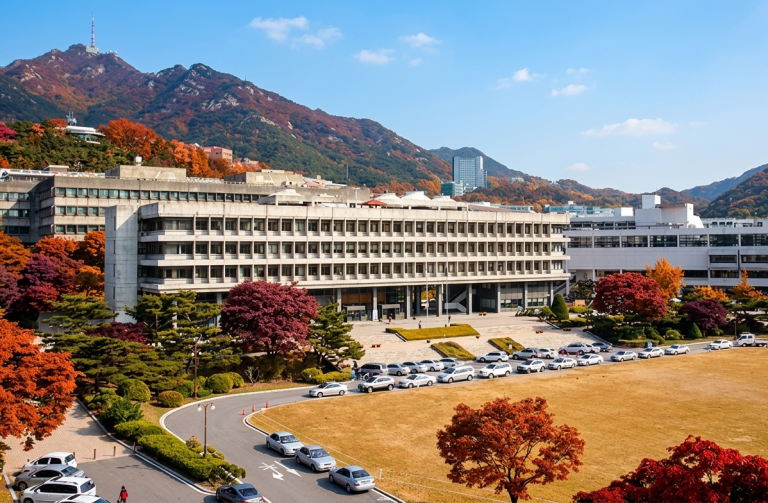
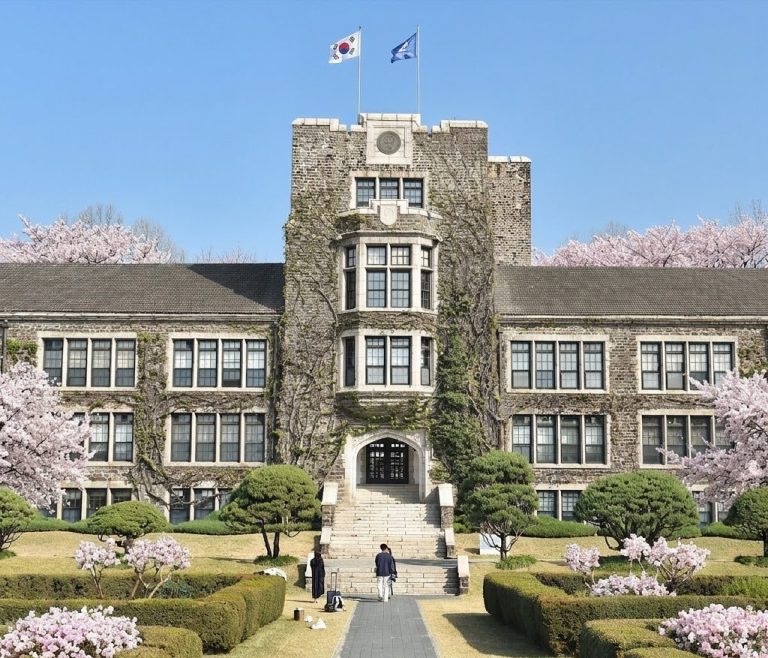
 Japan
JapanJapan is one of the most unconventional destinations for studying abroad. Japanese diplomas are highly valued in the international job market, universities are ranked among the top in the world, and students work with technologies that have not yet been mass-produced in other countries. If you are ready to immerse yourself in a unique culture and a systematic approach to knowledge, this is the right choice for you.
Leave your contacts — our consultant will get in touch
