USA
A private research university in the United States, founded in 1636. Considered one of the most prestigious universities in the world, it is known for its strong programs in law, business, medicine, engineering, and social sciences, its high student selection rate, and its robust financial aid system.
Bachelor's degree: $80,000 – $87,000 per yearMaster's degree: $62,000 - $70,000 per yearDoctoral studies: from $30,000 - $60,000 per year
USA
Georgetown University is a prestigious private research university in Washington, DC, USA, known for its strong programs in international relations, business, law, politics and social sciences, with a vibrant international student environment and a campus in the historic Georgetown district.
Bachelor's degree: $74,520/yearMaster's degree: $60,000–68,000/yearPhD: $33,000–35,000/year
Free University of Amsterdam
Netherlands
Vrije Universiteit Amsterdam is a public research university in Amsterdam, the Netherlands, with approximately 25,000 students. Its strengths include economics, business, law, psychology, social and natural sciences, and medicine. It has a modern campus in Amsterdam-Zuid and offers a variety of scholarships for international students.
Bachelor's degree: €8,000 – €13,000 per yearMaster's degree: €22,000 – €34,000 per yearPhD: about €8,000 per year
Netherlands
Erasmus University Rotterdam is a prestigious research university in the Netherlands, renowned for its strong programmes in economics, business, social sciences and health sciences, as well as its international learning environment and high level of academic research.
Bachelor's degree: €11,400 – €14,000 per yearMaster's degree: €19,950 – €25,800 per yearPhD: around €8,000 per year
United Kingdom
Bachelor's: £42,700 – £45,500 per year (Medicine £58,600)Master's: about £40,000 – £50,000 per yearPhD: about £26,500 – £32,300 per year
USA
A leading U.S. research university and a global leader in medicine, biotechnology, and international relations. Distinguished by a strong focus on research, practice, and interdisciplinary studies
Bachelor's degree: $63,340 per yearMaster's degree: $65,956 per yearDoctoral studies: about $65,000 per year
Germany
The Technical University of Munich (TUM) is Germany's leading public technical university in Munich, known for its strong programs in engineering, computer and natural sciences, high level of research and excellent graduate employability opportunities.
Bachelor's degree: semester fee €85 – €100Master's degree: semester fee €85 – €100PhD: semester fee €85 – €100
USA
One of the most prestigious universities in the United States, part of the Ivy League. Strong in natural sciences, engineering, economics, and the humanities. Known for a high level of academic support and generous scholarships
Bachelor's degree: about $60,000 per yearMaster's degree: average $58,000 per yearDoctoral studies: free*
France
Paris Sciences et Lettres University (PSL) is a prestigious public research university in Paris, uniting France's leading universities and research institutes. The university is renowned for its high-quality education, strong programs in science, engineering, economics, and the humanities, as well as its strong international reputation and excellent career prospects for its graduates.
Bachelor's degree: approximately €2,770 per yearMaster's degree: about €3,770 per yearPhD: about €494 per year
United Kingdom
Oxford University is one of the oldest and most prestigious universities in the world, founded in the 12th century. The university is renowned for its strong programs in the humanities, natural sciences, and social sciences, high-quality academic research, and international recognition.
Undergraduate: £28,000 – £45,000 per yearMaster's: £28,000 – £48,000 per yearPhD: £26,000 – £35,000 per year
Massachusetts Institute of Technology
USA
The Massachusetts Institute of Technology is a leading private research university in the United States, located in Cambridge, near Boston. MIT is a global leader in engineering, computer science, artificial intelligence, economics, and fundamental science. The university is known for its strong focus on practice, scientific research, startups, and technological innovation.
Bachelor's: $66,720 per year (tuition, 2026/27)Master's: $66,720 per year (standard graduate tuition)PhD: usually fully funded (tuition + stipend)
Utrecht University
Netherlands
Utrecht University, or Universiteit Utrecht, is one of the most renowned research universities in the Netherlands, consistently chosen by international students seeking academic excellence and international careers. Utrecht University is attractive for its combination of a strong research foundation, a large number of English-taught programs, and a relatively transparent admissions system.
Italy
One of the oldest universities in Europe with strong traditions in science, medicine, and the humanities. Attractive due to its combination of academic quality, affordable tuition, and student life in Italy
Bachelor's degree: from €2,000 to €4,500 per yearMaster's degree: from 3,000€ to 6,000€ per yearDoctoral studies: from 1,500 to 3,000 € per year
United Kingdom
King's College London is a public research university in London, England, with a long academic history and high level of research activity. It is a member of the prestigious Russell Group, an association of leading British research universities.
Undergraduate: £24,000 – £40,000 per yearMaster's: £23,000 – £40,000+ per yearPhD: £28,150 – £32,600 per year
Netherlands
A modern university in the Netherlands, known for its innovative Problem-Based Learning (PBL) approach. Popular among international students, especially in business, economics, law, and healthcare
Bachelor's degree: from €9,000 to €15,000 per yearMaster's degree: from €10,000 to €18,000 per yearDoctorate: free or about €2,500 per year
USA
Carnegie Mellon University (CMU) is a private research university in Pittsburgh, USA. Known for its strong programs in engineering, computer science, business, arts, and social sciences. CMU is renowned for its interdisciplinary approach, cutting-edge research and preparing students for successful careers in science, technology, business and the creative industries.
Undergraduate: $90,000–$95,000 per yearMaster's degree: $90,000–$100,000 per yearPhD: about $90,000–$100,000 per year
Columbia University
USA
A prestigious Ivy League university located in the heart of New York City. Offers strong programs in business, journalism, international relations, and engineering, as well as broad career opportunities
Bachelor's: $72,800 per year (tuition, 2026/27)Master's: $50,000–$70,000 per yearPhD: usually fully funded (tuition + stipend)
South Korea
Korea University is one of the leading private universities in South Korea, founded in 1905. It is included in the unofficial top three of SKY – the association of three of the country’s most prestigious universities together with Seoul National University and Yonsei University. It attracts foreign students with strong programs in engineering, computer science,…
Bachelor's degree: from $7,550 to $10,160 per hourMaster's degree: $9,000 to $13,000 per hourDoctoral studies: from $8,000 to $12,000 per hour
USA
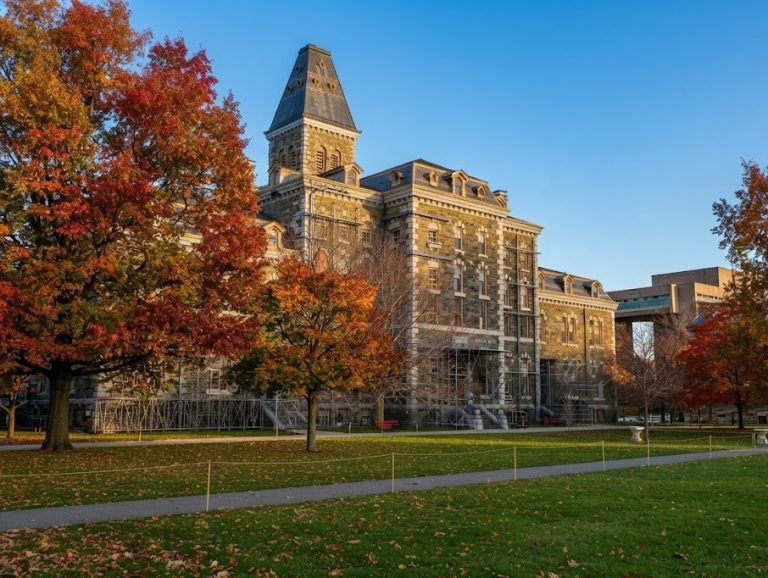
Cornell University is the only Ivy League university founded on the principle of educational access for all. Since its opening in 1865, it has combined research rigor with a practical focus, offering programs ranging from engineering and medicine to hospitality and architecture. Admission to Cornell requires strategy: the competition is fierce, but its application approach…
Bachelor's degree: $49,816 to $73,946 per yearMaster's degree: from $20,800 to $88,934 per yearDoctoral studies: $20,800 per year
USA
Dartmouth College is one of eight Ivy League universities and one of the oldest universities in the United States, founded in 1769. Despite the college status in its name, Dartmouth is a full-fledged research university with professional schools of business, medicine, and engineering. Its key feature is its small size and exceptional academic quality—approximately 4,570…
Bachelor's degree: $71,265 per yearMaster's degree: from $74,868 to $88,000 per yearDoctoral program: Fully funded - stipend of $49,862 per year + tuition and insurance coverage
USA
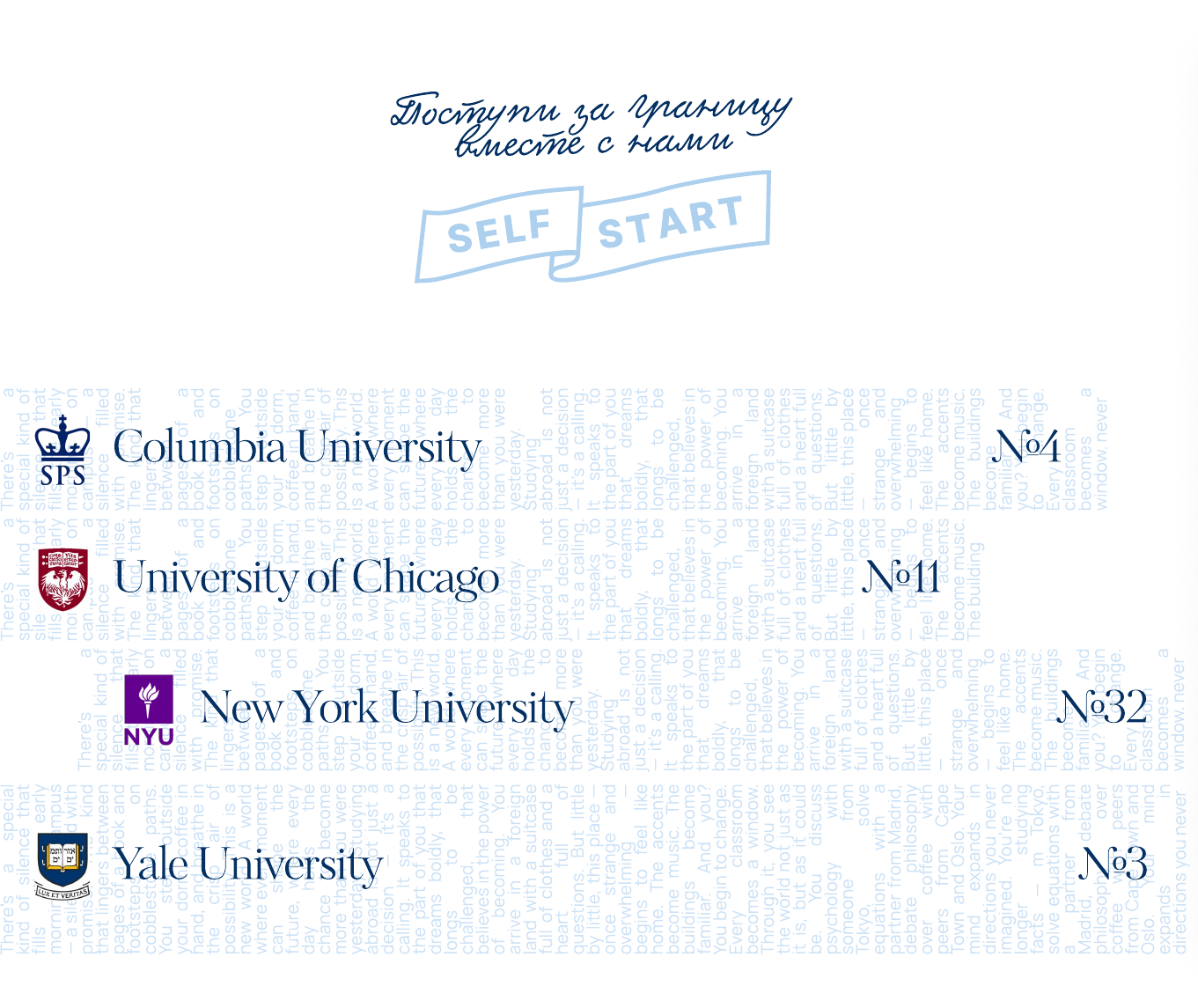
The University of Chicago (UChicago) is one of the most intellectually demanding universities in the world. In the QS World University Rankings 2026, UChicago ranked #13 in the world — jumping 8 spots from #21 last year. UChicago consistently ranks among the world’s top 3 in economics and social sciences, and rightfully in the top…
Undergraduate: $73,266 per hourMaster's degree: about $68,652 per hourDoctoral studies: most PhD programs are fully funded
William Marsh Rice University
USA
Rice University is one of the leading private research universities in the United States. Small in size (approximately 4,789 undergraduate students), but with a global reputation in engineering, natural sciences, architecture, and music. Located in Houston, the fourth-largest city in the United States, it is close to the world’s largest medical complex and NASA Johnson…
Bachelor's degree: $71,140 per yearMaster's degree: from $57,030 per yearDoctoral studies: Most PhD programs are fully funded
Peking University
Canada
Bachelor's degree: 26,000 to 45,000 RMB per year (approximately 3,600–6,300 USD)Master's degree: from 29,000 to 188,000 RMB per year (about 4,000–26,000 USD)Doctoral studies: 32,000 to 60,000 RMB per year (approximately 4,500 to 8,400 USD) – most PhD students receive funding through CSC or university scholarships
China
Bachelor's degree: 24,800 to 30,000 RMB per year (approximately 3,400–4,200 USD)Master's degree: from 28,900 RMB per year (about 4,200 USD)Doctoral: 45,500 RMB per year (approximately 6,600 USD) – most PhD students receive funding through SJTU Fellowship or CSC
Singapore
Bachelor's degree: SGD 26,200 to SGD 49,950 per yearMaster's degree: from 21,800 to 72,000 SGD per yearDoctoral degree: SGD 13,700 to SGD 40,300 per year
Tsinghua University
China
Bachelor's degree: from 26,000 RMB/ to 45,000 RMB/yearMaster's degree: from 29,000 RMB/ to 120,000 RMB/yearDoctoral studies: 29,000 to 45,000 RMB/year – most PhD students are funded through CSC, Tsinghua Fellowship, or professorial grants
Ewha Womans University
South Korea
Ewha Womans University is the world’s largest women’s university, founded in Seoul in 1886. In 1946, it became the first institution of higher education in South Korea to receive government accreditation. Today, it is a private research university with over 16,000 female students, 11 colleges, 15 graduate schools, and 66 research institutes.
Bachelor's degree: 15,300,000 to 20,000,000 KRW per year (~11,200–14,600 USD)Master's program: 16,000,000 to 22,000,000 KRW per year (~11,700–16,000 USD)Doctoral program: 16,000,000 to 22,000,000 KRW per year (~11,700–16,000 USD)
Wellesley College
USA
Wellesley College is a leading U.S. women’s college and one of the most renowned liberal arts colleges in the world. Its alumnae include Hillary Clinton, U.S. Secretary of State Madeleine Albright, journalist Diane Sawyer, and stateswoman Soong Mei-ling. Wellesley offers students a unique opportunity: cross-registration at MIT (Massachusetts Institute of Technology), providing access to its…
Bachelor's program: $72,570/year (2026–27 tuition); COA ~$96,136/year (direct costs)





 How to pack a suitcase: what to consider when moving to another country















 USA
USA