


Head office: Netherlands, Haarlem+31 23 205 00 88hello@selfstartglobal.comTelegramWhatsApp

Ecology and Geosciences

Sustainable development is about the balance between economy, society and nature: how to build cities, manage resources, develop businesses and shape policies so as not to destroy the environment for future generations. Environmental sciences study natural processes, human influence on ecosystems and methods of protecting them.

Get a Consultation

Why is it worth studying ecology and sustainable development abroad?

Education in this field abroad gives you access to modern laboratories, field practices in different climatic zones, and real-world projects with companies and cities. These are the main reasons to consider a program abroad.

Practice with real data

Fieldwork, laboratory work, cases with companies and cities, final projects, and internships are the basis of a high-quality program. The Master’s program in Environmental Sciences at ETH Zurich includes a mandatory 18-week professional internship, while Wageningen University’s entire second year is built around an academic internship and a research project in a real laboratory.

Interdisciplinary training

The curricula of leading programs combine science disciplines with courses on resource economics, climate policy, and sustainable supply chains. This creates professionals who can speak the language of both scientists, managers, and regulators, something that is difficult to achieve through highly specialized local training.

Growing labor market

The European Green Deal has created more than 300,000 new sustainable jobs since 2020, and the EU’s mandatory Climate Reporting Directive (CSRD) from 2024 has dramatically increased the demand for ESG professionals. The International Labour Organization predicts the creation of 24 million new green jobs by 2030.

Access to specialized tracks

ETH Zurich offers six separate specializations within its Master’s program in Environmental Sciences, ranging from Atmosphere and Climate to Forest Resource Management. Wageningen University controls approximately 30% of all global scientific publications in the fields of food and environment, making it an especially strong choice for those interested in water resources or food security.

It is important to distinguish between the fields from the very beginning. Environmental sciences are about science, data, and modeling: ecosystems, climate processes, and field research. This field is suitable for those who want to work with scientific data. Environmental studies are more about policy, management, and community engagement. This field is suitable for those who want to work in non-profit organizations or government agencies.

Environmental engineering is about engineering solutions for water, waste, and sustainable technologies. This field is suitable for those who want to design technical solutions. Environmental management answers the question of how an organization should respond to environmental challenges through ESG reporting and risk management.

We help students identify the right track and enroll in programs with funding ranging from 50% to 100%. Apply for a free consultation to learn more!

How to apply for ecology and sustainable development

Admission to these programs requires an understanding of the specific track and a proven interest through projects, rather than just good grades in biology and chemistry. The main steps include:

1
Selecting a track and program

Environmental sciences are for those who want to work with data in the lab or in the field. Environmental studies are for those who are interested in politics. Environmental engineering is for those who want to design technical solutions. Environmental management is for those who see themselves in ESG departments. Many strong programs allow you to choose your specialization only in your second or third year. We can help you determine what is right for your goals.

2
Formation of a portfolio of projects

Analysis of energy or water consumption at school, research on local environmental issues, and sustainable development initiatives enhance the application. The best format for a portfolio is: problem — data and approach — solution — measurable effect. Admissions committees value specifics much more than general declarations of environmental concern.

3
Documents and language

A high school diploma or equivalent, a language certificate for English-language programs (IELTS or TOEFL), a motivation letter, a resume, and references. Some programs require a portfolio of projects, and research master’s programs require prior contact with a potential supervisor before the formal application process.

4
Submitting an application

Applications are submitted online through the university’s portal, and the program’s deadlines must be met. Volunteering in NGOs and environmental organizations, participating in case competitions and hackathons on sustainable development, are additional strong signals for the admissions committee.

It is worth preparing for admission abroad in 18-24 months — this time is spent on choosing a track, accumulating projects and working on the language. We are happy to help you go through this path and get not only an offer, but also a scholarship.

Scholarships and grants for ecology and sustainable development

Ecology and sustainable development are one of the most actively funded areas: governments, international organizations, and foundations are interested in training specialists and allocate significant funds for scholarships, and the competition is often lower than in more popular fields.

In Europe, Erasmus Mundus joint master’s programs provide full tuition coverage and a living stipend for several environmental fields, allowing students to study in multiple countries simultaneously. DAAD EPOS in Germany supports specialists from developing countries who enroll in programs in environmental policy and engineering. Many universities, such as ETH Zurich in Switzerland, offer their own scholarships for international applicants, including coverage of living expenses for the best candidates.

Tip! For programs in ecology and sustainable development, a motivation letter with a specific, project-based interest in the topic often plays a more significant role in scholarship selection than grades in non-major subjects.

SelfStartGlobal helps students choose programs with real chances of admission and funding, as well as develop a submission strategy that takes into account the scholarship opportunities of a particular university.

Prospects after training

Education in the field of ecology and sustainable development opens up various career paths — this is one of the few specialties where the choice of track greatly changes the future path.

Science and research

An environmental scientist, a research assistant in a laboratory or field center, and an environmental monitoring specialist. Graduates of strong research programs often end up at the IPCC or the United Nations Environment Programme (UNEP) within a year and a half after graduation.

Analytics and data

Climate analyst, geoinformation systems specialist, and environmental data analyst are in high demand after the introduction of mandatory climate reporting in the EU and the US.

Engineering and Infrastructure

Environmental engineers, specialists in wastewater treatment systems, and designers of sustainable infrastructure are especially in demand in countries with active energy transition programs, such as Germany, the Netherlands, and Denmark.

ESG and business

A sustainability analyst, ESG reporting specialist, and corporate social responsibility consultant is one of the fastest-growing fields due to increasing requirements for climate risk disclosure.

Governance and politics

Environmental policy specialist, NGO employee, environmental project manager in international organizations. Government agencies — Umweltbundesamt in Germany, ADEME in France, and the agencies of the European Union itself — regularly hire specialists with relevant education.

Practical projects with measurable results, internships, data skills, understanding of the regulatory framework, and the ability to communicate research results to a non-technical audience all have a real impact on employment.

Immigration through education

The environmental sector is experiencing one of the fastest growths in demand for specialists in the world — according to the International Labour Organization, the global shortage of personnel in this field reaches 40%.

USA

Degrees in environmental sciences and engineering are classified as STEM in most cases, which entitles you to an extended OPT program of up to 36 months of work after graduation. Major engineering companies (ERM, Ramboll, WSP), as well as ESG divisions of Deloitte, PwC, and McKinsey, regularly sponsor H-1B visas for specialists with relevant education.

Europe

Germany has the EU Blue Card, a simplified pathway for skilled professionals, including environmental engineering. In the Netherlands, green sectors remain highly vacant with moderate competition, and the country’s strong position in sustainable agriculture creates entry points for foreign professionals.

Canada and Asia

Canada actively recruits professionals in renewable energy and conservation through provincial nomination programs. Singapore is developing hiring programs for professionals in clean technologies and sustainable energy.

Education abroad does not guarantee automatic immigration, but the persistent global shortage of specialists in this field gives graduates one of the strongest starting positions among all fields.

Want to know what actually fits you?

Leave your contacts — a consultant will review your profile and map out the shortest path to admission

Get a Consultation

FAQ

What documents are needed to enroll in ecology programs abroad?

High school or university diploma, language certificate (IELTS or TOEFL) for programs in English, motivation letter, resume, references. For some programs, a portfolio of projects or research.

Is it possible to get a scholarship to study ecology and sustainable development abroad?

Yes, and the chances are higher here than in most other fields. Erasmus Mundus and DAAD EPOS are examples of fully funded scholarships specifically for this field.

Which countries are best for environmental education?

Strong programs are available in Switzerland, the Netherlands, the UK, the USA, and the Scandinavian countries. The choice depends on the track — the Netherlands is particularly strong for sustainable agriculture, while the UK and Switzerland are strong for environmental policy.

What are the job prospects for graduates of environmental science programs?

In addition to scientific and engineering roles, graduates are actively working in ESG reporting, environmental consulting, and sustainable development management, which is one of the fastest-growing career fields.

How does environmental management differ from ecology?

Ecology studies natural systems and answers the question of what happens to nature. Environmental management is the management of compliance with standards, ESG reporting, and the implementation of sustainable development projects in organizations.

How SelfStartGlobal helps you enroll in environmental and sustainability programs

We help you determine the right track — science, management, or engineering — choose the right countries, universities, and programs, build a positioning strategy through projects, research, and volunteering, find funding options, and guide you through the process.

If you want to find the right environmental program for you, come for a free consultation.
Universities

USA
One of the most prestigious universities in the United States, part of the Ivy League. Strong in natural sciences, engineering, economics, and the humanities. Known for a high level of academic support and generous scholarships
Bachelor's degree: about $60,000 per yearMaster's degree: average $58,000 per yearDoctoral studies: free*
United Kingdom
Oxford University is one of the oldest and most prestigious universities in the world, founded in the 12th century. The university is renowned for its strong programs in the humanities, natural sciences, and social sciences, high-quality academic research, and international recognition.
Undergraduate: £28,000 – £45,000 per yearMaster's: £28,000 – £48,000 per yearPhD: £26,000 – £35,000 per year
USA
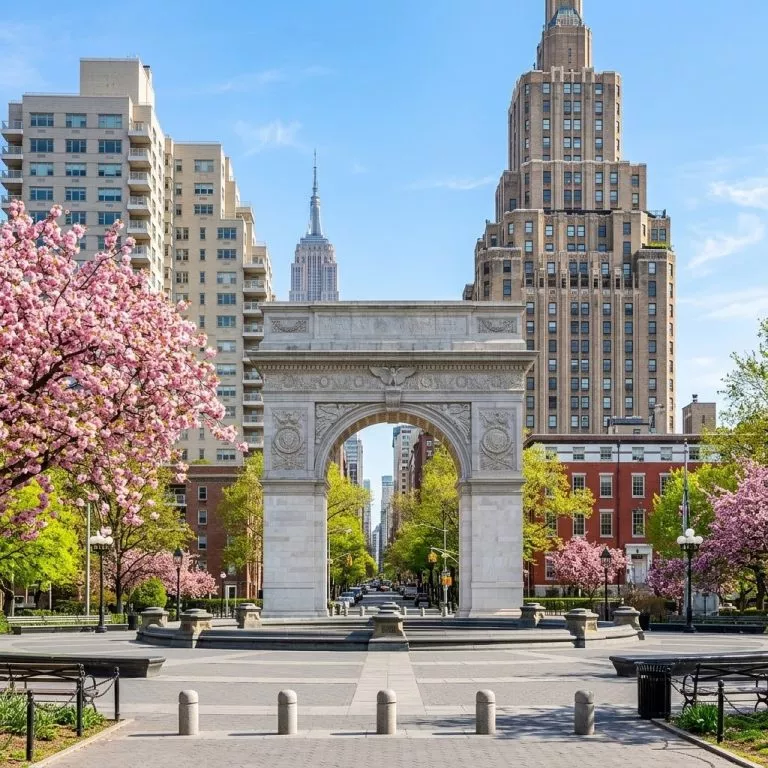
A prestigious Ivy League university located in the heart of New York City. Offers strong programs in business, journalism, international relations, and engineering, as well as broad career opportunities
Bachelor's: $72,800 per year (tuition, 2026/27)Master's: $50,000–$70,000 per yearPhD: usually fully funded (tuition + stipend)
USA
A leading U.S. research university and a global leader in medicine, biotechnology, and international relations. Distinguished by a strong focus on research, practice, and interdisciplinary studies
Bachelor's degree: $63,340 per yearMaster's degree: $65,956 per yearDoctoral studies: about $65,000 per year
Netherlands
A modern university in the Netherlands, known for its innovative Problem-Based Learning (PBL) approach. Popular among international students, especially in business, economics, law, and healthcare
Bachelor's degree: from €9,000 to €15,000 per yearMaster's degree: from €10,000 to €18,000 per yearDoctorate: free or about €2,500 per year
USA
The Massachusetts Institute of Technology is a leading private research university in the United States, located in Cambridge, near Boston. MIT is a global leader in engineering, computer science, artificial intelligence, economics, and fundamental science. The university is known for its strong focus on practice, scientific research, startups, and technological innovation.
Bachelor's: $66,720 per year (tuition, 2026/27)Master's: $66,720 per year (standard graduate tuition)PhD: usually fully funded (tuition + stipend)
Netherlands
Utrecht University, or Universiteit Utrecht, is one of the most renowned research universities in the Netherlands, consistently chosen by international students seeking academic excellence and international careers. Utrecht University is attractive for its combination of a strong research foundation, a large number of English-taught programs, and a relatively transparent admissions system.
Italy
One of the oldest universities in Europe with strong traditions in science, medicine, and the humanities. Attractive due to its combination of academic quality, affordable tuition, and student life in Italy
Bachelor's degree: from €2,000 to €4,500 per yearMaster's degree: from 3,000€ to 6,000€ per yearDoctoral studies: from 1,500 to 3,000 € per year
USA
The University of Michigan at Ann Arbor is the "Michigan" people usually think of when they think of one of the strongest public universities in the United States.
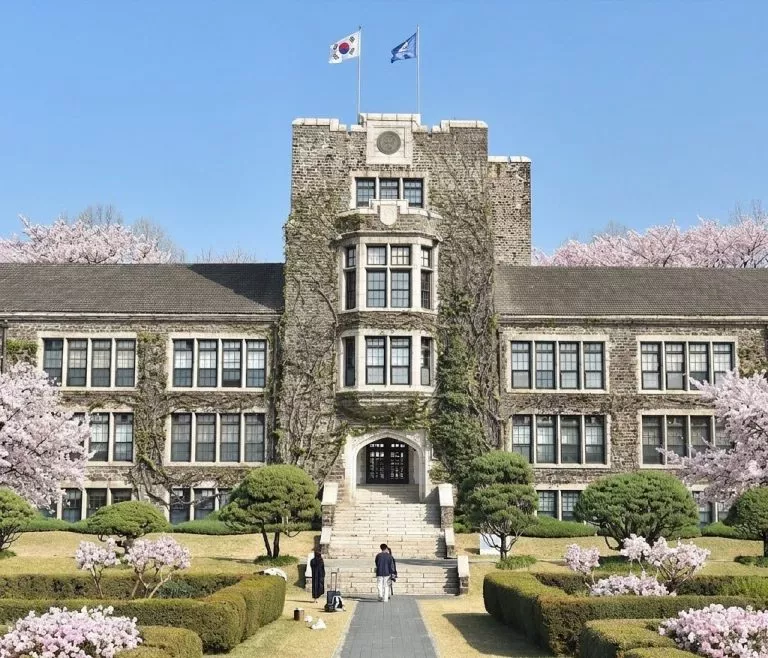
South Korea
Bachelor's degree: $6,400 to $11,800 per yearMaster's degree: from $8,000 to $14,000 per yearDoctoral studies: from $7,000 to $12,000 per year
USA
Bachelor's degree: $62,982/yearMaster's degree: $43,000/yearPhD: $40,000 - $60,000/year
USA
Carnegie Mellon University (CMU) is a private research university in Pittsburgh, USA. Known for its strong programs in engineering, computer science, business, arts, and social sciences. CMU is renowned for its interdisciplinary approach, cutting-edge research and preparing students for successful careers in science, technology, business and the creative industries.
Undergraduate: $90,000–$95,000 per yearMaster's degree: $90,000–$100,000 per yearPhD: about $90,000–$100,000 per year
France
Paris Sciences et Lettres University (PSL) is a prestigious public research university in Paris, uniting France's leading universities and research institutes. The university is renowned for its high-quality education, strong programs in science, engineering, economics, and the humanities, as well as its strong international reputation and excellent career prospects for its graduates.
Bachelor's degree: approximately €2,770 per yearMaster's degree: about €3,770 per yearPhD: about €494 per year
South Korea
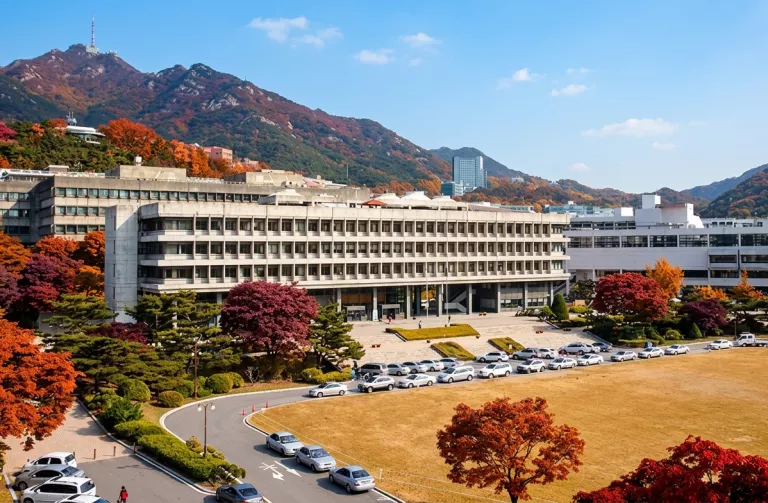
Seoul National University is South Korea’s leading national university, founded in 1946 by the merger of ten educational institutions in Seoul. It is part of the unofficial SKY trio, along with Korea University and Yonsei University. It attracts international students with strong programs in engineering, computer science, natural sciences, pharmacy, and international studies.
Bachelor's degree: $4,700 to $6,500 per yearMaster's degree: from $5,500 to $8,000 per yearDoctoral studies: from $4,500 to $7,000 per year
Germany
The Technical University of Munich (TUM) is Germany's leading public technical university in Munich, known for its strong programs in engineering, computer and natural sciences, high level of research and excellent graduate employability opportunities.
Bachelor's degree: semester fee €85 – €100Master's degree: semester fee €85 – €100PhD: semester fee €85 – €100
USA
Dartmouth College is one of eight Ivy League universities and one of the oldest universities in the United States, founded in 1769. Despite the college status in its name, Dartmouth is a full-fledged research university with professional schools of business, medicine, and engineering. Its key feature is its small size and exceptional academic quality—approximately 4,570…
Bachelor's degree: $71,265 per yearMaster's degree: from $74,868 to $88,000 per yearDoctoral program: Fully funded - stipend of $49,862 per year + tuition and insurance coverage
USA
Georgetown University is a prestigious private research university in Washington, DC, USA, known for its strong programs in international relations, business, law, politics and social sciences, with a vibrant international student environment and a campus in the historic Georgetown district.
Bachelor's degree: $74,520/yearMaster's degree: $60,000–68,000/yearPhD: $33,000–35,000/year
Netherlands
Vrije Universiteit Amsterdam is a public research university in Amsterdam, the Netherlands, with approximately 25,000 students. Its strengths include economics, business, law, psychology, social and natural sciences, and medicine. It has a modern campus in Amsterdam-Zuid and offers a variety of scholarships for international students.
Bachelor's degree: €8,000 – €13,000 per yearMaster's degree: €22,000 – €34,000 per yearPhD: about €8,000 per year
USA
Williams College is ranked the best liberal arts college in the US by *U.S. News* (2026) and is one of the few colleges worldwide to have originally modeled its educational system on Oxford.
Undergraduate: $72,510/year (tuition + fees); COA ~$95,960/year
USA
Bowdoin College is one of the top five liberal arts colleges in the U.S. and one of only six institutions worldwide to employ a need-blind admission policy for international students that fully meets demonstrated financial need without the use of loans.
Undergraduate: $71,740/year (tuition + fees); COA ~$93,880/year
USA
Amherst College is the second-highest-ranked liberal arts college in the U.S. and one of only six institutions worldwide to employ a need-blind admission policy for international students that fully meets demonstrated financial need without the use of loans. For the Class of 2030, the acceptance rate was 6.78%—a record low in the college’s history and…
Undergraduate: $75,330/year (tuition + fees); COA ~$96,360/year
USA
Wellesley College is a leading U.S. women’s college and one of the most renowned liberal arts colleges in the world. Its alumnae include Hillary Clinton, U.S. Secretary of State Madeleine Albright, journalist Diane Sawyer, and stateswoman Soong Mei-ling. Wellesley offers students a unique opportunity: cross-registration at MIT (Massachusetts Institute of Technology), providing access to its…
Bachelor's program: $72,570/year (2026–27 tuition); COA ~$96,136/year (direct costs)
Singapore
Nanyang Technological University is one of the world’s leading research universities, founded in 1991. NTU is one of the youngest universities in the global QS top 15: in just over 30 years, it has surpassed most institutions with a century-long history. All programs are taught in English. Around 35,000 students from 100+ countries, with approximately…
Undergraduate: SGD 40,500–45,500 per year (approx. USD 30,000–34,000)Master's: SGD 20,000–50,000 per year depending on programPhD: most research PhD programs are fully funded through the NTU Research Scholarship — tuition waived plus monthly stipend
Singapore
The National University of Singapore is Singapore’s flagship university and the best university in Asia according to QS and THE. NUS is the only Asian university in the global QS top 10. Instruction is in English at all levels, from undergraduate to PhD. With 16 faculties and schools and 28 subject areas ranked in the…
Bachelor's degree: from 33,400 to 190,150 SGD per yearMaster's degree: from 37,900 to 75,210 SGD per yearDoctoral degree: from 40,300 SGD per year
UAE
New York University is one of the largest private universities in the US and the only American university with three full-fledged campuses across three continents: New York, Abu Dhabi, and Shanghai. NYU welcomes students from 133 countries, receives over 120,000 applications annually—more than any other private university in the world—and ranks among the top 35…
Bachelor's degree: $65,622 per yearMaster's degree: $39,352 to $109,050 per year, depending on the program and facultyDoctoral studies: the majority of PhD programs are fully funded through departmental fellowships and assistantships
China
Bachelor's degree: 26,000 to 45,000 RMB per year (approximately 3,600–6,300 USD)Master's degree: from 29,000 to 188,000 RMB per year (about 4,000–26,000 USD)Doctoral studies: 32,000 to 60,000 RMB per year (approximately 4,500 to 8,400 USD) – most PhD students receive funding through CSC or university scholarships
USA
The University of Pennsylvania (UPenn) is one of eight Ivy League universities, founded in 1740 by Benjamin Franklin. It is the only Ivy League university originally conceived as a practical institution: Franklin created it to prepare people capable of solving real-world problems. In the US News Class of 2026 ranking, UPenn ranked #7 among national…
Bachelor's degree: $73,978 per yearMaster's degree: from $35,000 to $90,000 per yearDoctoral studies: Most PhD programs are fully funded
USA
Rice University is one of the leading private research universities in the United States. Small in size (approximately 4,789 undergraduate students), but with a global reputation in engineering, natural sciences, architecture, and music. Located in Houston, the fourth-largest city in the United States, it is close to the world’s largest medical complex and NASA Johnson…
Bachelor's degree: $71,140 per yearMaster's degree: from $57,030 per yearDoctoral studies: Most PhD programs are fully funded
Japan
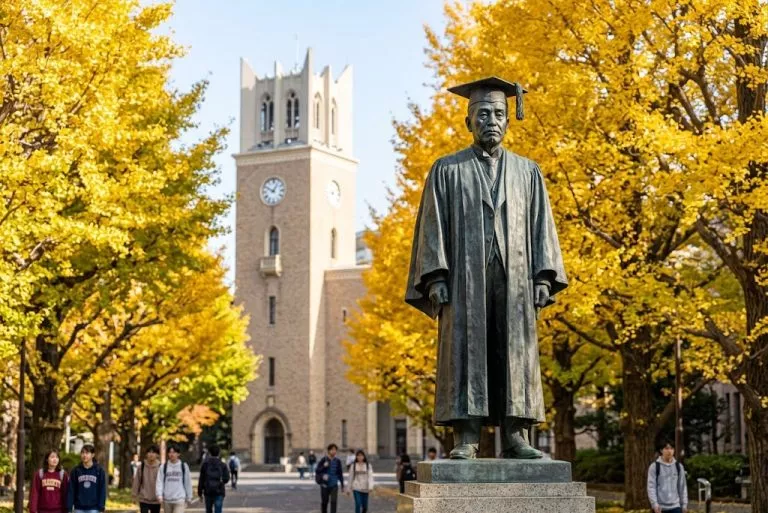
Waseda University is one of the most famous private universities in Japan, located in the Shinjuku district of Tokyo. Founded in 1882. Ranks #=201 in the world according to QS 2027 and #38 in the world according to Employer Reputation — this means that employers value Waseda graduates more highly than its overall ranking suggests.
Bachelor’s degree: approximately 1,000,000–1,200,000 JPY per year (approximately 6,700–8,000 USD)Master’s program: the cost varies by program; most graduate programs are partially or fully fundedDoctoral studies: the cost varies by program; most graduate programs are partially or fully funded
USA
Duke University is one of the leading private research universities in the United States. It combines a strong engineering school, a world-class medical school, one of the country’s top business schools, and a vibrant research environment. Admission to Duke University is challenging—the acceptance rate for the class of 2029 was a historically low 4.8%—but it’s…
Bachelor's degree: $73,172 per yearMaster's degree: $55,000–$75,000 per yearDoctoral studies: PhD programs are in most cases fully funded
USA
Emory University is a prestigious private university in Atlanta, Georgia, founded in 1836. It is known for its strong programs in medicine, business, public health, science, and the humanities. The campus combines historic architecture, modern laboratories, and an active student life.
Bachelor's degree: ≈67,000 USD per yearMaster's degree: ≈50,000–70,000 USD per yearPhD: about ≈90000–110000USD per year
France
Bachelor's degree: about €2,770 per yearMaster's degree: about €3,770 per yearPhD: about 380–450 € per year
Netherlands
Erasmus University Rotterdam is a prestigious research university in the Netherlands, renowned for its strong programmes in economics, business, social sciences and health sciences, as well as its international learning environment and high level of academic research.
Bachelor's degree: €11,400 – €14,000 per yearMaster's degree: €19,950 – €25,800 per yearPhD: around €8,000 per year

Countries

USA

A popular destination for studying abroad. Prestigious universities, a flexible education system, a wide selection of programs, and broad career prospects

Germany

One of the most popular study destinations in Europe. Free or low-cost education, strong technical and engineering fields, and high demand for graduates
Spain

Education in a friendly European student environment. Promising English-taught programs and strong fields in business, tourism, and design

United Kingdom

Classical education with global recognition. Shorter study periods, strong humanities and business programs, and a highly valued diploma

Belgium

European education in the heart of the EU. Suitable for studying business, politics, and international relations, with affordable programs and a multicultural environment
France

High-quality European education at an affordable cost. Attractive for strong programs in business, arts, and engineering, as well as the option to study in English or French

Switzerland

Studying in Switzerland means choosing between cantonal universities, federal technical universities, universities of applied sciences (UAS), and private schools. This page will help you understand which type of institution and level suit your profile, what documents you need, and how to start preparing your application. Discuss your route with a SelfStartGlobal advisor.
Related articles

Get a free consultation

Leave your contacts — our consultant will get in touch

    How should we contact you?