


Head office: Netherlands, Haarlem+31 23 205 00 88hello@selfstartglobal.comTelegramWhatsApp

International Relations and Diplomacy

International relations is the study of how states, international organizations, NGOs, and private actors interact on the global stage. Diplomacy is the practical side of this field, encompassing negotiations, the representation of national interests, and conflict resolution. It is one of the few disciplines where politics, economics, history, and law are equally important.

Get a Consultation

Why Study International Relations Abroad

Education in this field abroad opens up direct access to international decision‑making centers — government structures, international organizations, and diplomatic missions. Here are the main reasons to consider an international program.

Access to international policy centers

Leading programs in international relations are concentrated in cities where global politics are shaped. Washington (Georgetown, George Washington University), Geneva, London (LSE, King’s College), and New York provide direct access to internships in government structures, international organizations, and think tanks. This fundamentally distinguishes study in these cities from programs at universities located far from the political center.

International network of contacts

In the field of international relations, a professional network is often more important than a formal diploma. Foreign programs provide access to classmates from dozens of countries, practicing teachers — former ambassadors, UN advisors, and analysts — and a global alumni network that supports a career throughout one’s professional life.

Languages ​​and Intercultural Competence

Most leading programs require proficiency in at least one foreign language at the level of reading and working with sources. Georgetown School of Foreign Service, for example, imposes a mandatory language requirement on all students. Studying abroad, combined with language training, forms precisely the profile that is in demand in diplomacy and international organizations.

A wide range of specializations

International relations is a broad field. The programs allow you to specialize in international security, international economics, human rights, diplomacy, international law, development and humanitarian aid, climate diplomacy, and regional studies. The choice of specialization largely determines the future career trajectory.

It is important to understand the distinction within the field

International Relations (IR) is a broad academic discipline that studies the interaction of actors on the world stage. International Affairs is an applied field with an emphasis on public administration practice and politics. Diplomacy is most often studied as a specialization within these programs, rather than as a separate diploma. Understanding these nuances is important when choosing a program.

We help students determine the appropriate track and enroll in programs with funding ranging from 50% to 100%. Submit an application for a free consultation to learn more!

How to get into an International Relations program

Admission to programs in international relations requires both a strong academic foundation and a confirmed interest in the international agenda through specific experience. The main steps include:

1
Selection of track and program

Leading programs in the USA, the UK, and Europe differ in their emphases: Georgetown SFS focuses on the practice of diplomacy and direct access to the State Department, LSE on the economics of international relations, Sciences Po in Paris on European politics and the French‑speaking world, Tufts Fletcher on the flexibility of specializations. We will help you choose a program that matches your career goals.

2
Profile creation

Model UN, internships in NGOs or government agencies, volunteering in international programs, participation in debates and research projects on international topics — all this strengthens the application. Knowledge of foreign languages, especially the languages of the United Nations (Arabic, Chinese, French, Russian, Spanish) is an additional significant advantage.

3
Documents and motivation letter

A language certificate for programs in English (IELTS or TOEFL), a motivation letter, a resume, and letters of recommendation. The motivation letter should demonstrate not just an “interest in international politics,” but specific experience, a specific region, or a problem you want to explore or solve. Admission committees of leading programs see thousands of letters with general statements.

4
Submitting an application

Applications are submitted online via the university’s portal, with deadlines observed. For master’s programs in the USA, deadlines often fall in December–January. A number of programs — in particular, Princeton SPIA — fully fund all admitted graduate students, including a living stipend.

It’s worth preparing for admission 18–24 months in advance. We are glad to help you go through this process and get not only an offer, but also a scholarship.

Scholarships and funding

International relations is one of the most generously funded fields among humanities programs. According to the scholarship aggregator The Scholar Sphere, funding for IR programs “is among the most generous among professional master’s programs.”

  • Chevening is a scholarship offered by the UK government for future leaders from more than 160 countries. It covers the full cost of studying in a one‑year master’s program at any British university, including Oxford, Cambridge, and LSE, plus a monthly allowance for living expenses, travel, and visa fees.
  • Fulbright is a program of the U.S. Department of State that funds master’s and doctoral studies for international students at American universities. It covers tuition, travel, insurance, and a living stipend.
  • Schwarzman Scholars is a program at Tsinghua University in Beijing, specifically aimed at future leaders in the field of international relations. Full coverage of tuition, accommodation, travel, and a stipend. Candidates from any country are accepted.
  • Rotary Peace Fellowships is a separate funding program specifically focused on specialists in conflict resolution and peacebuilding.
  • Princeton SPIA fully funds all admitted graduate students; Yale Jackson School and Harvard Kennedy School have their own large scholarship funds.

Tip! For programs in international relations, a motivation letter with a specific description of the region, issue, or political context you have worked with significantly increases your chances of receiving a scholarship. General statements about “a desire to change the world” rarely work.

SelfStartGlobal helps students choose programs with real chances of admission and funding, as well as build a document strategy based on the scholarship opportunities available at a particular university.

Post-training prospects

Education in the field of international relations opens up various career paths — it is one of the specializations with the broadest range of possible roles.

Diplomacy and Public Service

A diplomat or foreign service officer represents their country abroad: builds relationships, conducts negotiations, and protects the interests of citizens. In the United States, the path begins with the Foreign Service Officer Test (FSOT) administered by the Department of State. The average national salary of a diplomat in the United States is about $75,260 per year.

International organizations

The UN and its agencies (UNHCR, UNICEF, UNDP, WHO, and others), the World Bank, the WTO, NATO, and regional organizations hire specialists with relevant education in the field of international relations. Competition is high, but it is international schools — Georgetown, LSE, Sciences Po, SAIS — that provide the best access to such positions.

Analytics and the expert community

Think tanks such as the Council on Foreign Relations, the Brookings Institution, Carnegie Endowment, and Chatham House hire graduates to conduct research and develop recommendations in the fields of foreign policy, security, and international economics.

International Business and Consulting

Specialists in international relations are in demand among companies engaged in foreign economic activity — to analyze political risks, comply with sanctions legislation, manage geopolitical risks, and develop relations with government agencies.

NGOs and humanitarian organizations

International NGOs — Oxfam, MSF, Human Rights Watch, IRC, and others — hire graduates for program work, advocacy, and field operations management.

Language skills, internships at relevant organizations, participation in Model UN, and the professional network built during studies can significantly influence employment opportunities.

Immigration through education

A career in international relations has one unique characteristic: it inherently предполагает international mobility. However, the type of immigration path largely depends on which sector the career is built in.

USA

Graduates of international relations programs can work under the OPT program for up to 12 months after graduation. Working in government agencies (State Department, CIA, NSC) requires U.S. citizenship, so this path is open only to citizens. Working in international NGOs, think tanks, and private companies is available to foreign specialists through employer sponsorship for an H‑1B visa. Washington is the leading job market for international relations professionals: it is home to the State Department, the World Bank, the IMF, the OAS, and hundreds of thematic organizations. (elliott.gwu.edu)

Europe

Working in international organizations — the UN in Geneva, the EU in Brussels and Strasbourg, NATO, the OSCE, the Council of Europe — technically does not require citizenship of the host country and is governed by separate recruitment mechanisms. This makes Europe an especially attractive destination for students planning a career in international organizations.

Asia

Singapore, Tokyo, and Beijing are actively developing international business and diplomatic hubs. Graduates focused on Asia and who speak Asian languages find opportunities here in international corporations, consulting, and analytical structures.

An important nuance: unlike engineering or medicine, international relations does not qualify for STEM OPT extension, which reduces the standard employment period after graduation in the US from 36 to 12 months. This should be taken into account when choosing a country to study in.

Want to know what actually fits you?

Leave your contacts — a consultant will review your profile and map out the shortest path to admission

Get a Consultation

FAQ

What is an international relations degree, and how does it differ from political science?

International relations is a more specialized field that focuses on the interaction of states, international organizations, and non‑state actors on the global stage. Political science is broader and includes domestic politics, state theory, and comparative political science.

Is it possible to get a scholarship to study international relations abroad?

Yes, and there are particularly many opportunities here. Chevening covers the full cost of a master’s degree in the UK, Fulbright funds studies in the USA, and Schwarzman Scholars fund studies in China. Princeton SPIA fully funds all admitted graduate students.

Which countries are best suited for studying international relations?

The USA (primarily Washington), the UK (London and Oxford), France (Paris, Sciences Po), and Switzerland (Geneva, proximity to the UN and the WTO). The choice depends on your specialization and the languages you know or plan to study.

What are the employment prospects for graduates of International Relations programs?

Diplomacy, international organizations, think tanks, NGOs, international business and consulting. The stronger the language proficiency and professional network, the broader the opportunities.

Is a master's degree necessary for a career in international relations?

A bachelor’s degree is sufficient to start in a number of organizations and entry‑level positions. For work in diplomacy, international organizations, and think tanks, a master’s degree significantly strengthens one’s position and becomes the de facto standard.

How SelfStartGlobal helps with admission to international relations programs

We help you determine the appropriate specialization — diplomacy, international security, international economics, or humanitarian work — select countries, universities, and programs, develop a strategy for your portfolio and document package, find funding options, and support you until you achieve the final result.

If you want to figure out which international relations program is right for you, come to a free consultation.

Popular universities

USA
Brown University is often called the most liberal university in the Ivy League—there are no required general education courses, and students design their own curriculum. This attracts applicants seeking not just a prestigious degree, but also the opportunity to pursue an unconventional academic path. The competition is also one of the most competitive in the…
Bachelor's degree: $74,568 per yearMaster's degree: from $9,320 per course (approximately $74,560 per year with a standard course load of 8 courses)Doctoral degree: from $9,320 per course (approximately $74,560 per year for a standard 8-course course load)
USA
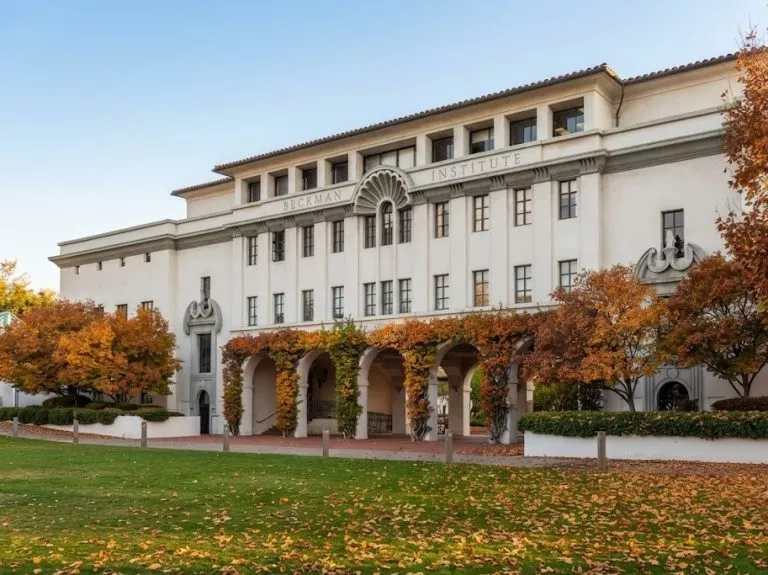
The California Institute of Technology is one of the most prestigious science and engineering universities in the world. Caltech specializes exclusively in science, engineering, and technology. Despite its small size—approximately 990 undergraduate students and 2,400 total students—the institute ranks among the top ten universities in the world according to all key rankings. Admission to Caltech…
Bachelor's degree: $65,622 per yearMaster's degree: $68,001 per yearDoctoral studies: $68,001 per year
United Kingdom
Bachelor's: £42,700 – £45,500 per year (Medicine £58,600)Master's: about £40,000 – £50,000 per yearPhD: about £26,500 – £32,300 per year
USA
Duke University is one of the leading private research universities in the United States. It combines a strong engineering school, a world-class medical school, one of the country’s top business schools, and a vibrant research environment. Admission to Duke University is challenging—the acceptance rate for the class of 2029 was a historically low 4.8%—but it’s…
Bachelor's degree: $73,172 per yearMaster's degree: $55,000–$75,000 per yearDoctoral studies: PhD programs are in most cases fully funded
South Korea
Korea University is one of the leading private universities in South Korea, founded in 1905. It is included in the unofficial top three of SKY – the association of three of the country’s most prestigious universities together with Seoul National University and Yonsei University. It attracts foreign students with strong programs in engineering, computer science,…
Bachelor's degree: from $7,550 to $10,160 per hourMaster's degree: $9,000 to $13,000 per hourDoctoral studies: from $8,000 to $12,000 per hour
USA
A prestigious Ivy League university located in the heart of New York City. Offers strong programs in business, journalism, international relations, and engineering, as well as broad career opportunities
Bachelor's: $72,800 per year (tuition, 2026/27)Master's: $50,000–$70,000 per yearPhD: usually fully funded (tuition + stipend)
United Kingdom
King's College London is a public research university in London, England, with a long academic history and high level of research activity. It is a member of the prestigious Russell Group, an association of leading British research universities.
Undergraduate: £24,000 – £40,000 per yearMaster's: £23,000 – £40,000+ per yearPhD: £28,150 – £32,600 per year
Netherlands
A modern university in the Netherlands, known for its innovative Problem-Based Learning (PBL) approach. Popular among international students, especially in business, economics, law, and healthcare
Bachelor's degree: from €9,000 to €15,000 per yearMaster's degree: from €10,000 to €18,000 per yearDoctorate: free or about €2,500 per year
Germany
The Technical University of Munich (TUM) is Germany's leading public technical university in Munich, known for its strong programs in engineering, computer and natural sciences, high level of research and excellent graduate employability opportunities.
Bachelor's degree: semester fee €85 – €100Master's degree: semester fee €85 – €100PhD: semester fee €85 – €100
USA
The University of Michigan at Ann Arbor is the "Michigan" people usually think of when they think of one of the strongest public universities in the United States.
United Kingdom
Oxford University is one of the oldest and most prestigious universities in the world, founded in the 12th century. The university is renowned for its strong programs in the humanities, natural sciences, and social sciences, high-quality academic research, and international recognition.
Undergraduate: £28,000 – £45,000 per yearMaster's: £28,000 – £48,000 per yearPhD: £26,000 – £35,000 per year
Netherlands
Vrije Universiteit Amsterdam is a public research university in Amsterdam, the Netherlands, with approximately 25,000 students. Its strengths include economics, business, law, psychology, social and natural sciences, and medicine. It has a modern campus in Amsterdam-Zuid and offers a variety of scholarships for international students.
Bachelor's degree: €8,000 – €13,000 per yearMaster's degree: €22,000 – €34,000 per yearPhD: about €8,000 per year
USA
One of the most prestigious universities in the United States, part of the Ivy League. Strong in natural sciences, engineering, economics, and the humanities. Known for a high level of academic support and generous scholarships
Bachelor's degree: about $60,000 per yearMaster's degree: average $58,000 per yearDoctoral studies: free*
USA
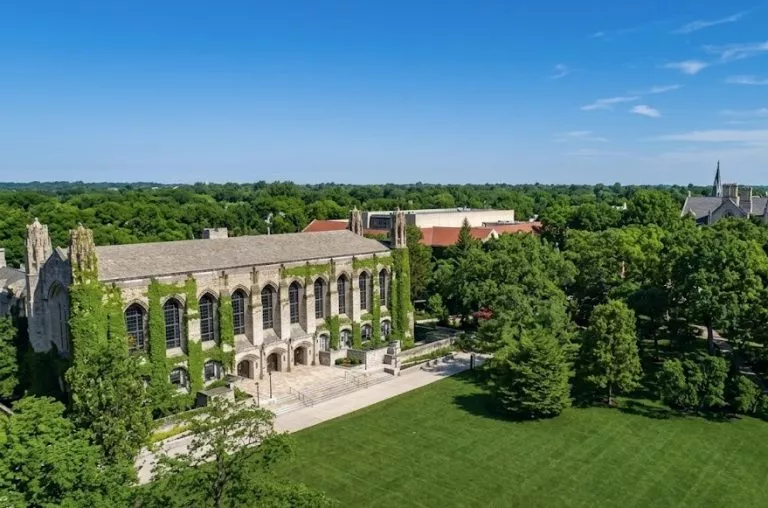
Northwestern University is one of the leading private research universities in the United States, located in Evanston, a 20-minute drive from Chicago. This combines a university environment with full access to the opportunities of one of North America’s largest business and cultural centers. Northwestern is particularly renowned for its programs in journalism, engineering, music, and…
Bachelor's degree: $69,375 per yearMaster's degree: from $62,000 to $82,000Doctoral studies: Most PhD programs are fully funded
South Korea
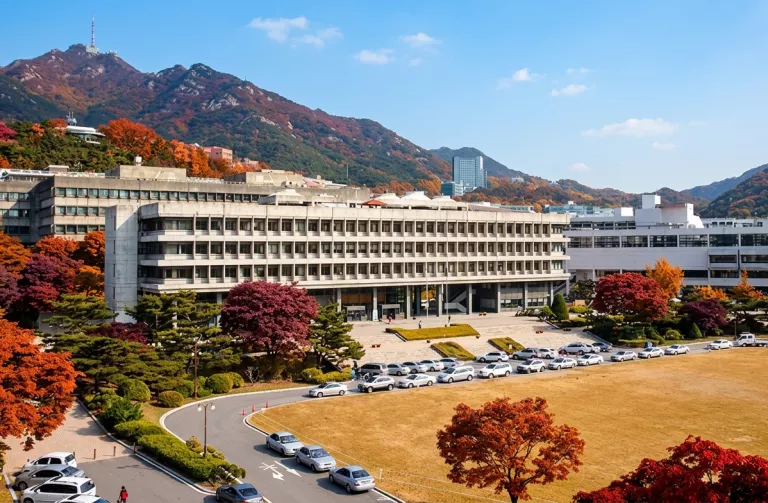
Seoul National University is South Korea’s leading national university, founded in 1946 by the merger of ten educational institutions in Seoul. It is part of the unofficial SKY trio, along with Korea University and Yonsei University. It attracts international students with strong programs in engineering, computer science, natural sciences, pharmacy, and international studies.
Bachelor's degree: $4,700 to $6,500 per yearMaster's degree: from $5,500 to $8,000 per yearDoctoral studies: from $4,500 to $7,000 per year
Netherlands
Erasmus University Rotterdam is a prestigious research university in the Netherlands, renowned for its strong programmes in economics, business, social sciences and health sciences, as well as its international learning environment and high level of academic research.
Bachelor's degree: €11,400 – €14,000 per yearMaster's degree: €19,950 – €25,800 per yearPhD: around €8,000 per year
South Korea
Ewha Womans University is the world’s largest women’s university, founded in Seoul in 1886. In 1946, it became the first institution of higher education in South Korea to receive government accreditation. Today, it is a private research university with over 16,000 female students, 11 colleges, 15 graduate schools, and 66 research institutes.
Bachelor's degree: 15,300,000 to 20,000,000 KRW per year (~11,200–14,600 USD)Master's program: 16,000,000 to 22,000,000 KRW per year (~11,700–16,000 USD)Doctoral program: 16,000,000 to 22,000,000 KRW per year (~11,700–16,000 USD)
USA
Emory University is a prestigious private university in Atlanta, Georgia, founded in 1836. It is known for its strong programs in medicine, business, public health, science, and the humanities. The campus combines historic architecture, modern laboratories, and an active student life.
Bachelor's degree: ≈67,000 USD per yearMaster's degree: ≈50,000–70,000 USD per yearPhD: about ≈90000–110000USD per year
China
Fudan University is one of the leading universities in China and Asia, founded in 1905. It is part of the C9 League, an elite association of nine leading Chinese universities, which is often compared to the American Ivy League. For foreign applicants, Fudan in Shanghai is a combination of a high academic level, an international…
Undergraduate: 23,000 to 40,000 RMB per hour (about 3,200-5,500 USD)Master's degree: about 28,000 to 50,000 RMB per hour (about 3,900-7,000 USD)Doctoral studies: about 30,000 to 55,000 RMB per hour (about 4,100-7,600 USD)
USA
Georgetown University is a prestigious private research university in Washington, DC, USA, known for its strong programs in international relations, business, law, politics and social sciences, with a vibrant international student environment and a campus in the historic Georgetown district.
Bachelor's degree: $74,520/yearMaster's degree: $60,000–68,000/yearPhD: $33,000–35,000/year
South Korea
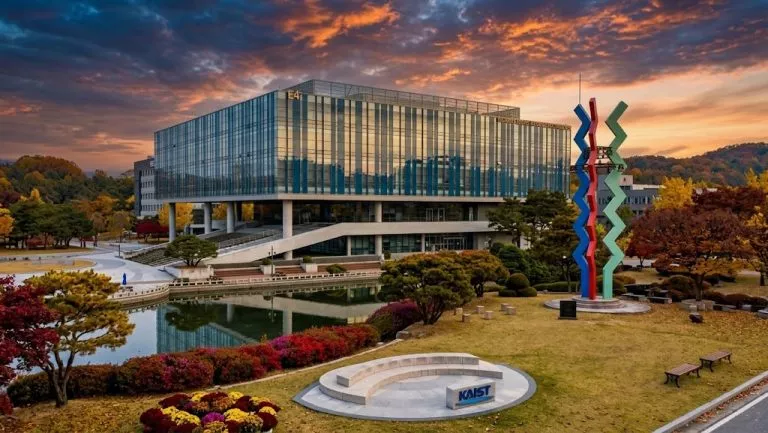
KAIST (Korea Advanced Institute of Science and Technology) is a national research university in South Korea, often referred to as the “Korean MIT.” It was founded in 1971 with the support of the Korean government and USAID. English is the official language of instruction. All admitted international undergraduate students automatically receive full tuition coverage and…
Bachelor's degree: 7,000,000–9,000,000 KRW per year (approximately 5,000–6,500 USD)Master's program: 7,000,000–9,000,000 KRW per year (approximately 5,000–6,500 USD)Doctoral program: 7,000,000–9,000,000 KRW per year (approximately 5,000–6,500 USD)
Japan
Osaka University is one of Japan’s leading national research universities, ranked 95th globally in the QS 2027 rankings and 151st in the THE 2026 rankings.
Bachelor's program: 535,800 JPY per year (approximately 3,600 USD) — a uniform rate for everyone, including international studentsMaster's program: 535,800 JPY per year (approx. 3,600 USD) — standard rate; professional programs may differDoctoral program: 535,800 JPY per year (approximately 3,600 USD)—the same rate; most PhD students receive a partial or full waiver through the Tuition Exemption program or MEXT
France
Paris Sciences et Lettres University (PSL) is a prestigious public research university in Paris, uniting France's leading universities and research institutes. The university is renowned for its high-quality education, strong programs in science, engineering, economics, and the humanities, as well as its strong international reputation and excellent career prospects for its graduates.
Bachelor's degree: approximately €2,770 per yearMaster's degree: about €3,770 per yearPhD: about €494 per year
China
Bachelor's degree: 26,000 to 45,000 RMB per year (approximately 3,600–6,300 USD)Master's degree: from 29,000 to 188,000 RMB per year (about 4,000–26,000 USD)Doctoral studies: 32,000 to 60,000 RMB per year (approximately 4,500 to 8,400 USD) – most PhD students receive funding through CSC or university scholarships
USA
Stanford University is one of the three or four best universities in the world according to all key ratings. Located in the heart of Silicon Valley, 50 kilometers from San Francisco. It was here that Google, Netflix, Yahoo, HP, LinkedIn, Instagram were founded – Stanford graduates and students changed the way the modern world is…
Bachelor's degree: $64,890 per hourMaster's degree: about $64,890Doctoral studies: most PhD programs are fully funded
USA
The University of Saint Mary (USM) is a private Catholic university in Leavenworth, Kansas, a 45-minute drive from Kansas City. Founded in 1923. It is a small university with a strong practical orientation — about 1,500 students, a faculty-student ratio of 11:1, and more than 30 undergraduate programs. For foreign applicants, USM is a real…
Undergraduate: $36,936 per hourMaster's degree: $9,073 per hourDoctoral studies: payment by credit hours
Singapore
Bachelor's degree: SGD 26,200 to SGD 49,950 per yearMaster's degree: from 21,800 to 72,000 SGD per yearDoctoral degree: SGD 13,700 to SGD 40,300 per year
USA
The University of Texas at Austin is the largest and most prestigious public university in Texas and ranks among the top 30 national universities in the United States. For international applicants, UT Austin offers a rare combination: top-30 academic standing, tuition costs significantly lower than those of comparable private institutions, and a location in Austin—one…
Undergraduate: $42,554–$51,106/year (non-resident/international); COA ~$64,200–$72,900/yearMaster's degree: $25,720 to $61,214/year (non-resident, depending on the program)Doctoral studies: most PhD positions are fully funded via TA/RA roles.
Japan
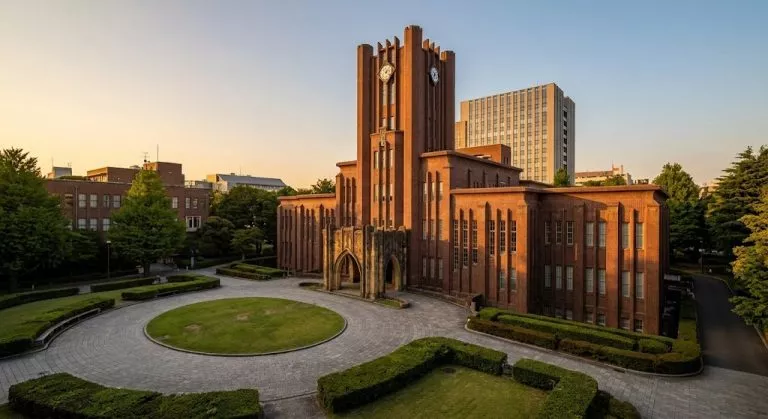
The University of Tokyo (UTokyo, Todai) is a national research university ranked number one in Japan across all major global rankings. Established in 1877, it was the country’s first national university. Its alumni and faculty include 20 Nobel laureates, 17 Japanese prime ministers, and 7 astronauts.
Bachelor's program: 535,800 JPY per year (approximately 3,600 USD) — a uniform rate for everyone, including international studentsMaster's program: 535,800 JPY per year (approx. 3,600 USD) — standard rate; professional programs (MBA, Law) may differDoctoral program: 535,800 JPY per year (approximately 3,600 USD)—the same rate; most PhD students receive a partial or full waiver through the Tuition Exemption program or MEXT
USA
The University of Notre Dame is one of the top twenty universities in the United States and the only major private university with a need-blind admissions policy for all students—including international ones.
Bachelor's degree: $67,607 per year (tuition + fees, 2025–2026)Master’s degree: depends on the program — $72,000–$80,000 per yearDoctoral studies: the majority of PhD programs are fully funded through departmental fellowships and assistantships
Italy
One of the oldest universities in Europe with strong traditions in science, medicine, and the humanities. Attractive due to its combination of academic quality, affordable tuition, and student life in Italy
Bachelor's degree: from €2,000 to €4,500 per yearMaster's degree: from 3,000€ to 6,000€ per yearDoctoral studies: from 1,500 to 3,000 € per year
USA
The University of Pennsylvania (UPenn) is one of eight Ivy League universities, founded in 1740 by Benjamin Franklin. It is the only Ivy League university originally conceived as a practical institution: Franklin created it to prepare people capable of solving real-world problems. In the US News Class of 2026 ranking, UPenn ranked #7 among national…
Bachelor's degree: $73,978 per yearMaster's degree: from $35,000 to $90,000 per yearDoctoral studies: Most PhD programs are fully funded
USA
A large public research university in the United States with a high academic ranking. Offers a wide range of programs, strong STEM fields, and more affordable tuition compared to private universities
Bachelor's degree: from $55,000 per yearMaster's degree: $15,000 - $40,000 per yearDoctoral studies: $10,000-$30,000 per year

Countries

China

Chinese universities are rapidly rising in world rankings, and the country has turned into one of the largest educational hubs on the planet. Diplomas from leading Chinese universities are recognized by employers around the world, the cost of education is lower than in Great Britain or the USA, and the government actively finances foreign students. On this page - everything you need for admission: universities, cost, scholarships, documents and student visa.

United Kingdom

Classical education with global recognition. Shorter study periods, strong humanities and business programs, and a highly valued diploma

Belgium

European education in the heart of the EU. Suitable for studying business, politics, and international relations, with affordable programs and a multicultural environment

Canada

High-quality education with strong support for international students. Attractive for its safe environment and career and immigration prospects

South Korea

USA

A popular destination for studying abroad. Prestigious universities, a flexible education system, a wide selection of programs, and broad career prospects

Spain

Education in a friendly European student environment. Promising English-taught programs and strong fields in business, tourism, and design
Italy

A combination of academic tradition and affordable education. Particularly in demand for studies in design, architecture, business, and the humanities
Related articles

Get a free consultation

Leave your contacts — our consultant will get in touch

    How should we contact you?