

How to pack a suitcase: what to consider when moving to another country

Pack your suitcase based on the real scenarios of the first few weeks, rather than just in case. Think about the steps involved in the flight, check-in, settling in, starting your studies, visiting a doctor, and opening an account. Only bring what you need for these specific situations, as anything extra will only add to your luggage.
Check the regulations for baggage, carry-on luggage, liquids, medications, and batteries with your airline and the official sources in your destination country before your flight.

Get a Consultation

How to pack for moving to another country: a short answer

First, check the baggage and itinerary rules

Airline regulations
Before starting fees, go to the airline’s website and check the weight and dimensions of checked baggage, hand luggage, the number of seats allowed, transfer rules, and possible overweight surcharges. Burrows may vary depending on the fare and destination.

Liquids in hand luggage
For flights through the United States, TSA rule 3-1-1 applies: liquids, gels and aerosols in hand luggage must be in containers up to 100 ml (3.4 oz) and fit in one transparent bag per passenger.
Restrictions on liquids, aerosols and gels remain in place for European flights. Procedures and exclusions may vary depending on the airport. Duty-free items in sealed security bags are usually subject to separate rules. They should be specified when purchasing.

Power banks, laptops and appliances with batteries
Devices with lithium batteries (laptops, power banks, headphones) are carried in hand luggage. Swollen, damaged or punctured batteries should not be taken on a trip. Check the exact restrictions with your airline before departure.

Documents: What should be in your carry-on baggage?

Main documents

All documents that will be required at passport control, at check-in and at the university must be with you. Keep in your carry-on:

  • A passport with a validity period sufficient for the entire period of study
  • A visa or approval letter (student residence permit, if already issued)
  • Admission letter and letters from the university
  • Confirmation of accommodation booking or a letter from the host
  • Printed air tickets and route
  • Insurance policy with an emergency number
  • Contacts of the university, curator or representative of the accommodation
  • Copies of financial documents (statements, proof of funds)
  • Emergency contacts — on paper, not just in your phone
Copies and digital archive

Before your flight, make paper copies of all key documents and keep them separate from the originals. Keep digital copies in a secure cloud storage with password access. You may need these copies at the bank, insurance company, migration office, or in case of any emergencies with the originals.

What not to put in checked baggage

Passport, visa documents, money, bank cards, original admission documents, prescriptions for medicines, a laptop and valuables. All this goes only in hand luggage. A checked suitcase can be delayed or lost, and then the absence of documents or equipment will create serious problems in the first days.

Carry-on baggage: kit for the first 24-48 hours

Hand luggage is a survival kit in case the suitcase is delayed. It should include everything necessary for life within the first two days. Minimum set:

  • Documents (passport, visa, letters from the university, insurance)
  • A wallet with cards and a small amount of cash
  • Phone, charger, power bank
  • Laptop and charging for it
  • An adapter for sockets under the country of destination
  • A change of linen and basic clothes
  • Medicines that are needed regularly and a basic first aid kit
  • Hygiene products in an acceptable format (up to 100 ml)
  • Glasses or spare contact lenses
  • A light snack and water (it is better to buy water after the security area)
  • A pen and the address of the accommodation on paper

Clothes: How to avoid overloading your suitcase

Consider the climate and season of arrival

You should pack clothes for the climate of the country and the specific month of your arrival, rather than for the entire academic year. For cold countries, bring high-quality outerwear and winter shoes. For warm countries, choose lightweight clothing, but still pack items for studying, formal meetings, and cool rooms with air conditioning.

Basic wardrobe for a student

It is better to stick to a capsule approach — to take things that are combined with each other.

Categories:

  • Casual clothes for 7-10 days
  • University clothes (neutral style, suitable for classes)One set for official meetings, interviews or presentations
  • Sports clothes and sneakers
  • Home clothes
  • Versatile outerwear for the season of arrival
  • Shoes: casual, sports and one neutral option
What is better to buy on site?

It is more profitable to buy bulky items after settling in. Bed linen, towels, winter clothes, part of household trifles and kitchen items take up a lot of space and are often comparable to prices in the country of destination or cheaper. If the luggage is limited, first of all take what is difficult to find or expensive to buy abroad.

Study and technology: what will really come in handy

Laptop and accessories

A laptop is the main tool for studying abroad. It requires a charger, a protective case or backpack, headphones, and a mouse. A flash drive or external hard drive is necessary for unstable internet connections or when working with large files that require local storage.

Sockets, adapters and voltage

The type of sockets and voltage vary by region. In the United States, the standard is 110-120 V, while in most European countries, it is 220-230 V. Before purchasing appliances or adapters, check the standard of your destination country. Some devices support both voltages (100-240 V). Devices that do not support both standards require a transformer rather than a simple adapter.

Stationery and teaching materials

You don’t need to bring a large number of notebooks, folders, and textbooks. Bring a minimum of several notebooks, pens, and markers for the first week. It’s better to purchase the rest on-site after familiarizing yourself with the study format at the specific university.

Medicines and health: what to prepare in advance

First weeks’ first aid kit
Take the medications you take or use regularly. A basic first aid kit includes fever and painkillers, antiseptic, bandages, an upset stomach remedy. No need to bring a large supply. Most basic drugs are available in pharmacies abroad.

Prescriptions and medical documents
For prescription drugs, you need a prescription or a certificate from a doctor in English or the language of the destination country. This will help you pass customs and, if necessary, continue treatment with a local doctor. It is better to translate medical documents in advance.

What to check before departure
Before departure, check the rules for importing medicines into the destination country, restrictions on specific substances or drugs, requirements for original packaging, and insurance conditions for medical care. Not all medications available without a prescription at home are allowed to be imported or sold freely abroad.

Money, cards and communications

Cash and bank cards
For the first few days, you will need a small amount of cash in the destination country’s currency for taxi rides, groceries, and small expenses before activating your card. It is not recommended to carry large amounts of cash. Please check the customs regulations for declaring your belongings in advance. Inquire with your bank about the functionality of your card abroad to avoid any issues at the airport.

SIM card and internet access
You will need internet access at the airport to call a taxi or contact your university. Consider purchasing roaming plans or an eSIM to ensure seamless internet access upon arrival. It is easier to buy a local SIM card on the spot at the airport or a communications salon.

Accesses and security
Before leaving, set up two-factor authentication on all important accounts, check access to banking apps from abroad, save backup login codes and make sure that documents are stored in the cloud with a strong password.

Household items: what to take and what not to take

For accommodation
The list of household items depends on the accommodation format. The university dormitory already has a bed with a mattress, a table, and basic furniture. Before packing, check with the university or accommodation provider to see what is provided: bed linen, pillow, blanket, towels, dishes, kettle, hair dryer, and iron.

Hygiene and cosmetics
Take a supply for the first 1-2 weeks, taking into account the restrictions on liquids in your carry-on luggage. It is more cost-effective to buy large packages of shampoo, conditioner, cream, and other products after your arrival. This will lighten the luggage, and save money.

Food and specific products
The import of food is regulated by the country of destination. Meat, dairy, fresh and plant products in many countries are not allowed to import or require special documentation. Large supplies of food are not worth it. If there are specific products that are difficult to find abroad – a small amount in factory packaging, will not create problems, but check the customs regulations in advance.

Want to know what actually fits you?

Leave your contacts — a consultant will review your profile and map out the shortest path to admission

Get a Consultation

What you shouldn't or can't take with you

The purpose of packing is not to fill the suitcase, but to make the first weeks easier.

Do not take:

  • Prohibited items – check the list of the airline and the customs of the destination country
  • Excessive heavy clothes “for all occasions” – it is better to buy seasonal items on the spot
  • Lots of books and textbooks – the formats of studying abroad often differ from the usual ones
  • Household appliances without checking the voltage and standard of sockets
  • Large volumes of cosmetics and hygiene products
  • Prescription medicines without documents and checking the rules of import
  • Expensive jewelry and items that would be painful to lose
  • Items “just in case” that are easy to buy locally for reasonable money

How to pack a suitcase comfortably and safely

Divide things into categories
It’s most convenient to pack in blocks. Documents (only copies – originals in carry-on luggage), clothes, shoes in a separate bag, appliances and cables, hygiene products, medicines, and household items. Packing cubes or zip-bags help you find what you need without having to sort through the entire suitcase.

Heavy things go down, fragile things go in the middle
Put heavy things closer to the wheels: this makes the suitcase balance better. Wrap fragile items in clothes and place them in the middle. Put shoes at the ends and small items in the side pockets.

Sign your luggage and take a photo of your suitcase
Attach a tag with your name, phone number, and destination address, both on the outside and inside of your suitcase. Before checking your suitcase in, take a photo of the outside of your suitcase and its contents, which will speed up the process of filing a claim in case of loss.

Check list before departure

  • Passport, visa, admission letter — in the hand luggage
  • Paper and digital copies of all documents are made
  • Rules for carrying baggage and liquids are checked
  • Power banks and equipment with batteries in the hand luggage
  • Medicines in the original packaging, prescriptions for prescription drugs
  • The card works abroad, there is cash for the first days
  • Roaming or eSIM is configured, the address of accommodation is written on paper
  • Two-factor authentication and access to the bank are configured
  • Adapter for the country’s specific power outlets
  • Tag on the suitcase, photo of the contents taken
  • The weight and size of the suitcase have been checked against the airline’s standards

What to do in the first days after arrival

The first few days after moving are the busiest. To avoid getting lost in tasks, follow these steps:

  • Check in — inspect the room, make sure everything works, and get the contact information for the manager or resident advisor
  • Buy any missing household items — bed linen, towels, and groceries for the first few days
  • Activate your connection — purchase a local SIM card or activate an eSIM
  • Get to the campus — plan your route, transportation, and travel time
  • Register with the university — required during the first few days of your stay
  • Open a bank account — if you need a local account to pay for your accommodation, scholarship, or grant
  • Deal with insurance — activate, check coverage, find the nearest clinicFind the nearest shops
    and a pharmacy — useful in the first days before getting to know the area
  • Study the schedule — classes, orientation days, deadlines for the first weeks

How SelfStartGlobal helps you prepare for moving to school

At SelfStartGlobal, we accompany students from the admission strategy to the offer, help with documents, scholarship support, and partially with the visa process. If you have any questions about preparing for your move, please sign up for a free consultation using the link below.

FAQ: Frequently asked questions about packing for a move abroad

How many suitcases should a student take abroad?

In most cases, one well-thought-out main suitcase and carry-on luggage are sufficient. A second suitcase is necessary for long-distance travel or if the airline allows you to bring it without additional charges. Too many items can cause difficulties during check-in, domestic travel, and storage in small rooms.

What is essential to take in your carry-on luggage?

Documents, money, cards, phone and charger, laptop, power bank, adapter, medicine, change of clothes, basic hygiene in an acceptable format and everything you need for the first 24-48 hours. Hand luggage is your insurance in case of a delay or loss of your suitcase.

Do I need to bring bed linen and towels?

It depends on the accommodation. If the university dormitory or apartment provides a bedding kit, there is no need to bring bulky items. If there is no information, take one set or purchase it on site.

Is it possible to take medicines to another country?

Not always, and not all. You need to check the import rules for your destination country, bring the medicine in its original packaging, and have a prescription or doctor’s note for prescription medications.

What is better to buy after arrival?

Bed linen and towels, if not provided by the accommodation. Large packages of cosmetics and hygiene products. Stationery and study materials after familiarizing yourself with the study format. Kitchen utensils and room items. Local SIM card. Winter or seasonal clothing if you are moving during the warm season.
Universities

USA
A private research university in the United States, founded in 1636. Considered one of the most prestigious universities in the world, it is known for its strong programs in law, business, medicine, engineering, and social sciences, its high student selection rate, and its robust financial aid system.
Bachelor's degree: $80,000 – $87,000 per yearMaster's degree: $62,000 - $70,000 per yearDoctoral studies: from $30,000 - $60,000 per year
Netherlands
A modern university in the Netherlands, known for its innovative Problem-Based Learning (PBL) approach. Popular among international students, especially in business, economics, law, and healthcare
Bachelor's degree: from €9,000 to €15,000 per yearMaster's degree: from €10,000 to €18,000 per yearDoctorate: free or about €2,500 per year
United Kingdom
King's College London is a public research university in London, England, with a long academic history and high level of research activity. It is a member of the prestigious Russell Group, an association of leading British research universities.
Undergraduate: £24,000 – £40,000 per yearMaster's: £23,000 – £40,000+ per yearPhD: £28,150 – £32,600 per year
USA
A prestigious Ivy League university located in the heart of New York City. Offers strong programs in business, journalism, international relations, and engineering, as well as broad career opportunities
Bachelor's degree: about $60,000 per yearMaster's degree: average $58,000 per yearDoctoral studies: free*
United Kingdom
Bachelor's degree: about $60,000 per yearMaster's degree: average $58,000 per yearDoctoral studies: free*
Germany
The Technical University of Munich (TUM) is Germany's leading public technical university in Munich, known for its strong programs in engineering, computer and natural sciences, high level of research and excellent graduate employability opportunities.
Bachelor's degree: semester fee €85 – €100Master's degree: semester fee €85 – €100PhD: semester fee €85 – €100
USA
The University of Michigan at Ann Arbor is the "Michigan" people usually think of when they think of one of the strongest public universities in the United States.
USA
USA
Bachelor's degree: $62,982/yearMaster's degree: $43,000/yearPhD: $40,000 - $60,000/year
Italy
Università Bocconi is located in Milan, Italy's financial capital and one of Europe's leading business centers. The university boasts over 120 years of history, approximately 16,000 students from over 100 countries, and a strong position in global rankings.
Bachelor's degree: 16,700 euros/yearMaster's degree: from 21,000 to 34,000 euros/yearDoctoral studies: upon request
Netherlands
Vrije Universiteit Amsterdam is a public research university in Amsterdam, the Netherlands, with approximately 25,000 students. Its strengths include economics, business, law, psychology, social and natural sciences, and medicine. It has a modern campus in Amsterdam-Zuid and offers a variety of scholarships for international students.
Bachelor's degree: €8,000 – €13,000 per yearMaster's degree: €22,000 – €34,000 per yearPhD: about €8,000 per year
USA
One of the most prestigious universities in the United States, part of the Ivy League. Strong in natural sciences, engineering, economics, and the humanities. Known for a high level of academic support and generous scholarships
Bachelor's degree: about $60,000 per yearMaster's degree: average $58,000 per yearDoctoral studies: free*
France
Bachelor's degree: about $60,000 per yearMaster's degree: average $58,000 per yearDoctoral studies: free*
USA
The University of North Carolina at Chapel Hill, or UNC Chapel Hill for short, is one of the most renowned public research universities in the United States.
France
Bachelor's degree: about €2,770 per yearMaster's degree: about €3,770 per yearPhD: about 380–450 € per year
USA
A large public research university in the United States with a high academic ranking. Offers a wide range of programs, strong STEM fields, and more affordable tuition compared to private universities
Bachelor's degree: from $55,000 per yearMaster's degree: $15,000 - $40,000 per yearDoctoral studies: $10,000-$30,000 per year
USA
Emory University is a prestigious private university in Atlanta, Georgia, founded in 1836. It is known for its strong programs in medicine, business, public health, science, and the humanities. The campus combines historic architecture, modern laboratories, and an active student life.
Bachelor's degree: ≈67,000 USD per yearMaster's degree: ≈50,000–70,000 USD per yearPhD: about ≈90000–110000USD per year
Netherlands
Utrecht University, or Universiteit Utrecht, is one of the most renowned research universities in the Netherlands, consistently chosen by international students seeking academic excellence and international careers. Utrecht University is attractive for its combination of a strong research foundation, a large number of English-taught programs, and a relatively transparent admissions system.
South Korea
Bachelor's degree: $6,400 to $11,800 per yearMaster's degree: from $8,000 to $14,000 per yearDoctoral studies: from $7,000 to $12,000 per year
South Korea
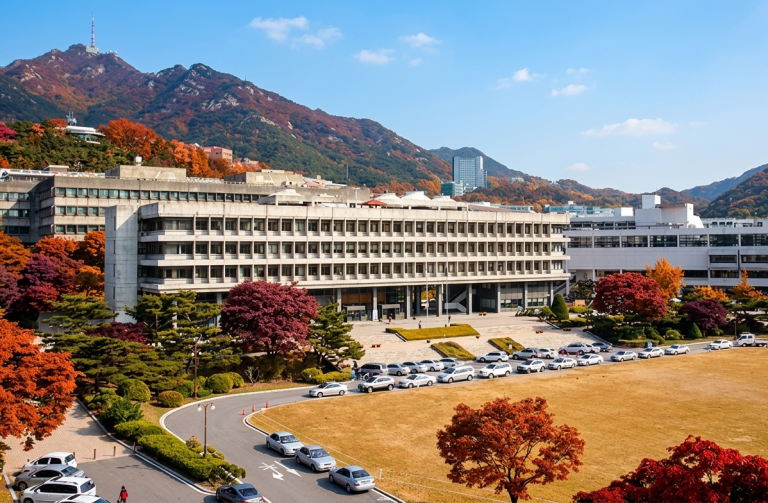
Seoul National University is South Korea’s leading national university, founded in 1946 by the merger of ten educational institutions in Seoul. It is part of the unofficial SKY trio, along with Korea University and Yonsei University. It attracts international students with strong programs in engineering, computer science, natural sciences, pharmacy, and international studies.
Bachelor's degree: $4,700 to $6,500 per yearMaster's degree: from $5,500 to $8,000 per yearDoctoral studies: from $4,500 to $7,000 per year
USA
Northwestern University is one of the leading private research universities in the United States, located in Evanston, a 20-minute drive from Chicago. This combines a university environment with full access to the opportunities of one of North America’s largest business and cultural centers. Northwestern is particularly renowned for its programs in journalism, engineering, music, and…
Bachelor's degree: $69,375 per yearMaster's degree: from $62,000 to $82,000Doctoral studies: Most PhD programs are fully funded
Singapore
The National University of Singapore is Singapore’s flagship university and the best university in Asia according to QS and THE. NUS is the only Asian university in the global QS top 10. Instruction is in English at all levels, from undergraduate to PhD. With 16 faculties and schools and 28 subject areas ranked in the…
Bachelor's degree: from 33,400 to 190,150 SGD per yearMaster's degree: from 37,900 to 75,210 SGD per yearDoctoral degree: from 40,300 SGD per year
USA
The University of Chicago (UChicago) is one of the most intellectually demanding universities in the world. In the QS World University Rankings 2026, UChicago ranked #13 in the world — jumping 8 spots from #21 last year. UChicago consistently ranks among the world’s top 3 in economics and social sciences, and rightfully in the top…
Undergraduate: $73,266 per hourMaster's degree: about $68,652 per hourDoctoral studies: most PhD programs are fully funded
USA
Stanford University is one of the three or four best universities in the world according to all key ratings. Located in the heart of Silicon Valley, 50 kilometers from San Francisco. It was here that Google, Netflix, Yahoo, HP, LinkedIn, Instagram were founded – Stanford graduates and students changed the way the modern world is…
Bachelor's degree: $64,890 per hourMaster's degree: about $64,890Doctoral studies: most PhD programs are fully funded
USA
Rice University is one of the leading private research universities in the United States. Small in size (approximately 4,789 undergraduate students), but with a global reputation in engineering, natural sciences, architecture, and music. Located in Houston, the fourth-largest city in the United States, it is close to the world’s largest medical complex and NASA Johnson…
Bachelor's degree: $71,140 per yearMaster's degree: from $57,030 per yearDoctoral studies: Most PhD programs are fully funded
China
Bachelor's degree: from 26,000 RMB/ to 45,000 RMB/yearMaster's degree: from 29,000 RMB/ to 120,000 RMB/yearDoctoral studies: 29,000 to 45,000 RMB/year – most PhD students are funded through CSC, Tsinghua Fellowship, or professorial grants

Countries

China

Chinese universities are rapidly rising in world rankings, and the country has turned into one of the largest educational hubs on the planet. Diplomas from leading Chinese universities are recognized by employers around the world, the cost of education is lower than in Great Britain or the USA, and the government actively finances foreign students. On this page - everything you need for admission: universities, cost, scholarships, documents and student visa.
Japan

Japan is one of the most unconventional destinations for studying abroad. Japanese diplomas are highly valued in the international job market, universities are ranked among the top in the world, and students work with technologies that have not yet been mass-produced in other countries. If you are ready to immerse yourself in a unique culture and a systematic approach to knowledge, this is the right choice for you.
USA

A popular destination for studying abroad. Prestigious universities, a flexible education system, a wide selection of programs, and broad career prospects

Portugal

One of the most affordable countries in Europe for education. Comfortable adaptation, a growing number of English-taught programs, and good prospects for long-term residence
Germany

One of the most popular study destinations in Europe. Free or low-cost education, strong technical and engineering fields, and high demand for graduates
France

High-quality European education at an affordable cost. Attractive for strong programs in business, arts, and engineering, as well as the option to study in English or French

Spain

Education in a friendly European student environment. Promising English-taught programs and strong fields in business, tourism, and design
United Kingdom

Classical education with global recognition. Shorter study periods, strong humanities and business programs, and a highly valued diploma
UAE

Modern education in an international environment. Campuses of leading global universities, English-taught programs, and a strong focus on careers and business

South Korea

Related articles

Get a free consultation

Leave your contacts — our consultant will get in touch